
Life

4 posts

From Burnout to Breakthrough: Why I Decided to Start Learn & Beyond

Don't Have Time to Read This Blog Post?

Listen to the podcast (duration - 19min)

Start listening

In 2018, I wrote a blog article about my job at a large software company where I worked as a marketing automation manager for a few years. I was encouraged to write it by a psychologist, who recommended I document my experience to help recover from the stress I felt after being unexpectedly let go from the company.

This was my first job in marketing automation. Before that, I was a marketing manager at a small private company selling internet services. When I started this job I entered a completely new world—working in a large organization, learning new technologies, making new friends.

Things were good until the company got a new boss who wanted to “restructure.” People started quitting on their own, and others were let go. I wasn’t ready to give up. I worked hard, as I always do. I made friends, built relationships, and genuinely loved my job. I didn’t want to leave.

One day, my boss scheduled a casual “touch base” meeting. But when I showed up, he led me to a room at the end of the building where the HR manager was already waiting. It was a shock. That’s how they let me go—telling me my position was eliminated. I was asked to gather my things and was sent home in a cab.

It was devastating.

It wasn’t just a job to me—it was my second home. I was emotionally invested, passionate about what I did, and it felt like they’d just cut off a part of me. I had to take a few sessions with a psychologist to deal with the emotional stress.

Eventually, I found another job. It was different—new people, a different culture—but I adjusted. Then I found another job, and another. Today, I’m in my fifth or sixth position since then, working as Director of Marketing Operations.

This current job started off great. It was right after COVID, and demand for IT and workplace consulting services was booming. The company was growing fast and hiring rapidly. I started with one direct report, built a strong team, and felt like we were really making an impact.

But at some point, things slowed down. Revenue growth stalled, and the company began to downsize. I had to let someone on my team go—ironically, putting me on the other side of the table from where I was years ago. It didn’t feel good.

One teammate was moved to a different department, and another recently resigned after finding a better offer. That left me with just two team members and the same amount of work as before. I was not only managing the team—I was back to doing the work myself. The stress became overwhelming.

To make things more complicated, the company brought in new leadership and decided to move our team to a different department. Our mid-year reviews reflected some of the tensions with stakeholders. I realized that growing my career further might come at a cost I wasn’t willing to pay.

I didn’t want to work 12-hour days anymore. I wanted work-life balance. I wanted to shut off at 5 p.m. and have a life outside of work. But that was hard to achieve with the workload and stress.

I began looking for new opportunities but quickly saw how much the job market had changed. Every job posting I applied to had hundreds of applicants. Competition was intense, and employers had become incredibly selective—looking for the perfect match in skills, culture, and communication. Even getting interviews was tough.

At the moment I am trying to build the relationship with my new boss. She is smart, demanding, and extremely organized. I want to learn from her — not just professionally, but personally. She seems to have structure in every part of her life, and still makes time to enjoy her family, stay healthy, and have fun. That’s something I admire.

I’ve realized that I don’t want to sacrifice my physical or mental health for professional success. I want both. I want to achieve my career goals, but also prioritize my personal well-being.

Recently, I started listening to audiobooks again—something I hadn’t done in years. One that really resonated with me was The Let Them Theory by Mel Robbins. It gave me a new perspective on how to handle stress and emotional overwhelm, especially in high-pressure work environments. I’ll share some of the lessons I learned from that book in a future post, because I think they’re helpful not just for people in my situation, but for anyone struggling to find balance in life.

The Birth of Learn & Beyond

Around the same time, I had a realization. Maybe this chapter of my life isn’t about climbing higher in someone else’s company. Maybe it’s time to build something of my own.

I’ve accumulated so much knowledge over the years—marketing, digital tools, web design, video editing, social media strategy, copywriting, and audience engagement. Why not share it? Why not teach others what I’ve learned?
That’s how the idea for Learn & Beyond was born.

At first, I imagined it as an online school for professionals like myself—people starting their careers in marketing or looking to upskill. But the more I thought about it, the more I realized this could be something bigger.

To me, Learn & Beyond isn’t just an online course platform. It’s a community—a network for people of all ages and backgrounds. Starting from school kids like my son Andrew and his friend Egor who are already learning how to create videos and animations. Then there are marketing students or recent grad who need practical experience. And finally, there are small business owners—friends of mine—who want to grow their businesses but don’t have resources or don’t know where to start.

What if Learn & Beyond could help?

What if it could become a place where people gain real experience by working on real projects? Where students and aspiring marketers help small businesses build websites, promote them on social media, build their email marketing campaigns. What if the platform not only teaches skills—but builds portfolios and confidence?

I want to connect the dots: students who want to learn, and small businesses that need affordable help. It’s a win-win. Students gain experience, and businesses get support they couldn’t otherwise afford. It might start as a side project, maybe even a pro bono effort, but the impact could be huge. Imagine saying, “I helped promote this local wellness clinic” or “I built the website for a family-run catering service” — those stories mean something. They make your resume stand out, and your heart feel full.

Learn & Beyond for Your Career and Business

Learn & Beyond can give young professionals a way to gain real experience—especially those just starting their careers, who feel stuck because they don’t have the right job title or bullet points on a resume.
Right now, the job market is incredibly competitive. Employers aren’t just looking for degrees—they want portfolios, hands-on experience, and proof that you can deliver results. But how do you build experience when no one gives you a chance?

That’s where Learn & Beyond comes in.

Whether you’re a recent graduate, someone changing careers, or a stay-at-home parent looking to reenter the workforce, you can become a part of this community and start creating. You’ll work on real-life projects with real businesses, develop your skills, and build a portfolio that reflects what you’re truly capable of.

It’s not just about checking boxes — it’s about confidence. About seeing yourself not just as a job title, but as someone who has value, creativity, and a story to tell.

And for small businesses, Learn & Beyond could be a lifeline. I know so many small business owners who are doing amazing things—but they’re struggling to grow because they can’t afford marketing help. Professional agencies charge thousands of dollars, and DIY-ing a website or promotion while juggling everything else is overwhelming.

Through Learn & Beyond, I want to match these businesses with learners who can help them grow. It’s not about working for free—it’s about collaboration, purpose, and mutual benefit. A business gets much-needed support, and the learner gets experience, confidence, and a real-world success story.

Eventually, this could evolve into something even bigger — a network of people helping each other, building real connections, and using digital tools to change their lives.

And maybe, just maybe, it’ll become a little movement. A reminder that you don’t have to be a “guru” or an “influencer” to share your knowledge, build something meaningful, or help someone else succeed. You just have to start. You just have to care.

Learn & Beyond for My Friends and Lasting Memories

Another dream I have for Learn & Beyond is to use it as a way to reconnect—with my friends, and with the community I used to be a part of more actively.

Over the years, many of us become what I now call “remote friends.” We care about each other deeply, but we don’t see each other often. Life got busy—jobs, families, health issues, responsibilities. And of course, the pandemic changed everything. It altered how we connect. We used to visit each other’s homes, have parties, and celebrate birthdays together. Now, it’s rare to even get a text or photo.

I miss those connections.

Learn & Beyond could be a way to bridge that gap—not just with students or business owners, but with my friends. I want to inspire them to create and share again. To write something. Record a short video. Take meaningful photos—not for Instagram likes, but for real connection.

I know some of my friends will say, “That’s not me,” or “I’m not a writer,” or “I’m not into video editing.” But I believe Learn & Beyond is for everyone—not just creative or tech-savvy people. It’s for anyone who wants to stay connected and share their life moments. We don’t need to “perform” for social media. We just need to stay present in each other’s lives, even if we’re not physically together.

Social media, as we know it, doesn’t quite fill that role anymore. Platforms like Facebook and Instagram often feel curated—highlight reels of vacations, achievements, or polished moments. That’s fine, but it’s not real life. Real life is messy, beautiful, surprising, and worth sharing, even in its simplest form.

I want to use Learn & Beyond to encourage you, my friends, to capture and share memories—not for followers, but for each other. Let’s exchange photos and videos so we can stay connected and know what’s going on in each other’s lives.

Even if we don’t have time to meet in person, this can be our way of staying close. We can share glimpses of our everyday moments, swap ideas, collaborate on creative projects, or simply check in. To me, that would mean a lot. And maybe—just maybe—we’ll feel a little more seen, a little more supported, and a little more inspired.

In today’s world, everything feels temporary. We’re constantly consuming, whether it’s products, food, or social media content that’s here one minute and forgotten the next. We rarely pause to create something with lasting value, something that future generations might treasure.

One of the core visions behind Learn & Beyond is to encourage people to create meaningful memories, share their unique stories with friends, and preserve them for future generations.

When I was a child, my parents had a big, bulky photo album filled with pictures from my early years. Later, as a teenager and young adult, I made my own albums with printed photos. I still have them today—and they’re some of my most treasured keepsakes.

But now that everything is digital, our memories are scattered—some on our computer hard drive, others on Google Photos or buried in social media feeds. My dad used to develop black-and-white photos himself, in a darkroom under a special lamp. Then came Kodak film rolls and photo print shops. Those old photos feel so special, don’t they? Ever wonder why? Because they took time and effort to create.

Today, snapping a photo takes a second, and most of them end up online—or hidden away on our phones and drives. Will our kids keep those photos and videos? Will they look through them with their own children the way we look through our family albums? Honestly, I’m not sure.

Unless, as families, we become part of something like Learn & Beyond—a place where we intentionally create meaningful photos and videos together. Memories that truly matter. Moments our kids will want to keep, revisit, and pass on.

And the best thing is you don’t need to be a professional creator to build lasting memories.

***

So here it is: Learn & Beyond—a digital space for creating, connecting, and growing together. A place to find your voice, sharpen your skills, support your community, and remember what lights you up.
Let’s make something that matters. Let’s build something of our own.

Join the Learn & Beyond Journey

If any part of my story resonates with you—if you’ve ever felt stuck, creatively unfulfilled, or simply longed for more meaningful connections… if you’ve ever wanted to leave something memorable for your family, your kids, or future generations—I invite you to be part of Learn & Beyond.

To help shape this vision, I’d love to hear from you. Whether you’re interested in learning new skills, sharing your expertise, or just staying connected, your input is invaluable.

Here’s how you can get involved:

1. Follow our journey
This idea sounds exciting, but you’re not quite ready to commit yet — you have too much going on in your life. That’s okay! You can still follow our progress. Sign up for our newsletter to stay updated on new blog posts, podcast episodes, and project highlights. It’s the easiest way to stay engaged with Learn & Beyond.

2. Learn new skills
You’re ready to master digital content creation or digital marketing, and you need these skills for your career or business. Visit our website to explore the courses we’ll be launching soon, and sign up for a free class on any topic that interests you — no obligation.

3. Sign up your child
You’d like your children to learn some of the digital skills we offer. Browse our lessons for kids and sign them up for a free class to see if it’s a good fit.

4. Become an instructor
If you already have experience in digital marketing, content creation, or any other skill you’d love to teach, we’d be thrilled to have you join us as an instructor. Since Learn & Beyond is still in its early stages, we can’t guarantee immediate compensation. However, as we grow our network and bring in more students, future compensation will absolutely be possible. We value your time and contribution deeply and will work with you to ensure your efforts are recognized and rewarded as the community expands.

5. Promote your business
Are you are a small business owner who wants to gain new clients by growing your online presence but not sure where to get resource or how to start? Join Learn & Beyond to either learn online marketing yourself—through easy-to-follow, practical lessons—or get help from our trained students who are looking to build real-world experience by supporting small businesses like yours.

You’ll be able to choose the path that fits you best: learn and do it yourself, or collaborate with emerging talent eager to help you grow.

6. Join our Beyond Generations network
Become part of our private Beyond Generations community — a creative space for families and kids to share photo galleries, videos, blog posts, poems, artwork, kids’ creations, and any other meaningful pieces of life and imagination.

To join, you’ll need to create an account, as this is a private network designed to protect the privacy and creativity of our members. I’m currently looking for help from a few programmer friends to build a secure website, so the project is still in development.

***

When you sign up for any of the above, you’ll be asked to complete a short survey to help us learn more about your interests and how you’d like to participate in Learn & Beyond.

Your feedback will help shape the future of this project and build a community that grows together.

Thank you for being here, for reading, and for being part of this journey. Let’s create something beautiful together. 
Canary Islands: Hot love and volcanic passions

Those lands, as everyone knows, were one of the last creations of the Lord … work on them was completed on Friday, late in the evening, which is why clouds of smoke still escaped from the bowels of the earth. The earth seething with life. Mixing of metals. Huge sea animals. Mineral vapors. New lush vegetation, greedily absorbing the fresh moisture of the earth. Palm trees that grow in six weeks.
 Abel Posse “Dogs of Paradise”

The plane dived into the gray cotton wool of dense clouds, then surfaced again, and the gray rocks encircling the island became visible. We were not allowed to land right away, so we made a big circle around the island, which took another half an hour, and then finally dived back into the gray cotton. When we landed, all around was a solid moving fog and gusty wind. Tenerife North Airport is located in the mountains – it is always cool and cloudy here.

We got to the hotel by taxi. The driver was quite experienced and all the way to Adeje we famously flew along the hot highway along the coast at almost 150 km/h. In Adeje itself, the taxi driver got confused, he did not understand English, and did not heed our requests to call the hotel by phone. Circling around the place, he asked all other taxi drivers we met on our way about the whereabouts of the Sunset Bay Club hotel. All his colleagues gave him different instructions, which completely confused him. Finally, he reached the Sunset Beach Hotel and, as per our advice, went to ask the concierge. Since these two hotels belong to the same chain, the last instruction finally led us to our destination.

The Sunset Bay Club was a cluster of 4-storey white buildings scattered over a large area on the side of a mountain. All staff spoke excellent English with a British accent. As we found out later, only Brits in their 40s stayed at this hotel. Small restaurants located directly under our window offered traditional English and Irish cuisine, which we got bored of on the first day. Since our room was on the 4th floor, just above the restaurants that were buzzing and smoking until two in the morning, we had a very quiet and secluded spacious terrace, with a nice view of the entire resort town.

When you go to Tenerife, there is no point in purchasing an all-inclusive vacation, since you’d want to get a chance to try the food in local restaurants. There were so many restaurants that any time it was time to have lunch or dinner, we couldn’t decide where to go. But anywhere we went, they had low prices and good quality. Local beer was cheaper than bottled water – 1 euro per half liter.


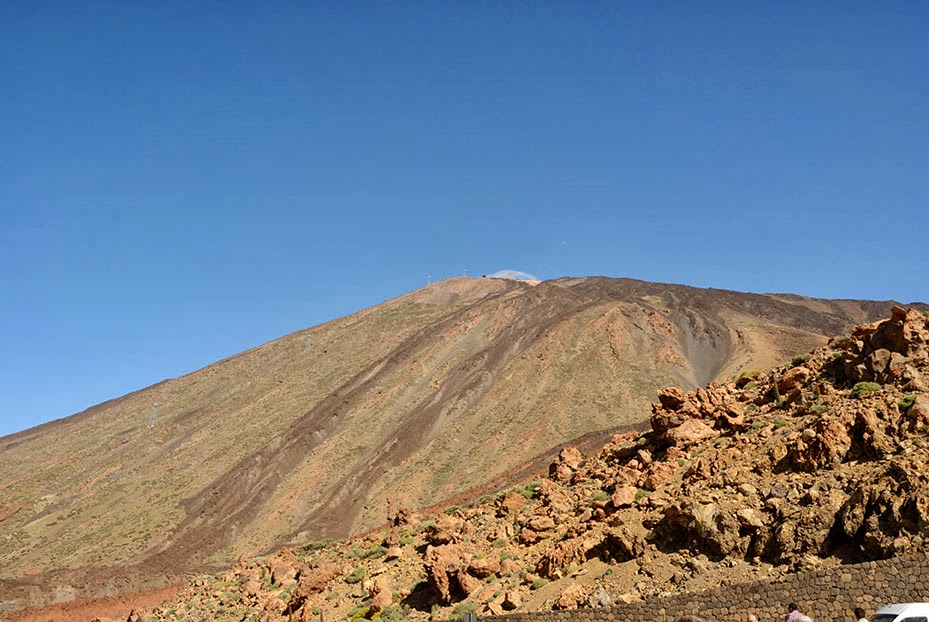
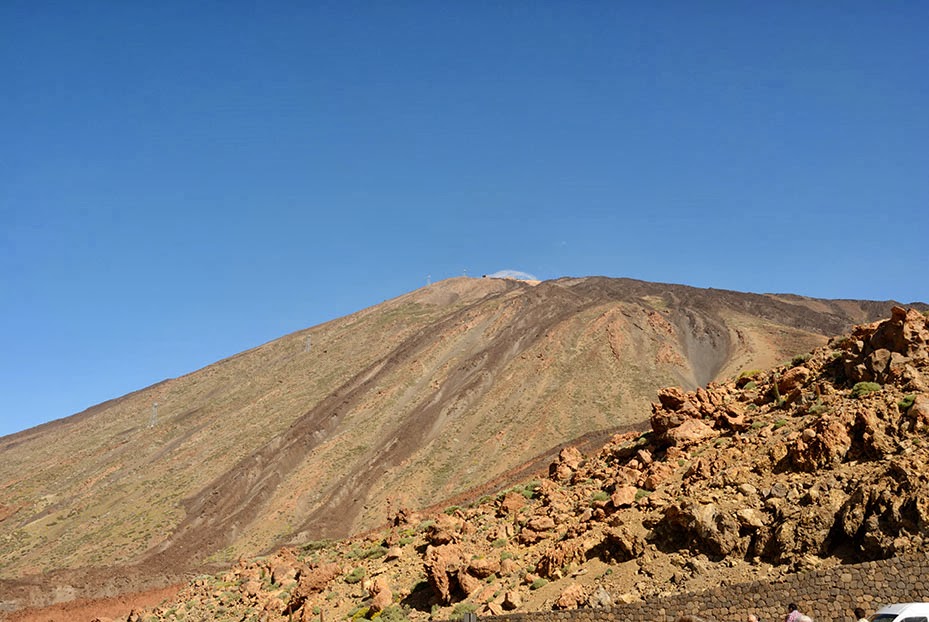
Soon upon arrival, we took a tour to the Teide Volcano. Unfortunately, the cableway was closed that day, and we couldn’t go all the way up the mountain. Although the volcano has not been active for a long time, vapors of some gases are constantly present above the crater. As a result, the peak of the mountain is covered with a light white cloud that looks like a scarf. According to the guide, the temperature of the magma inside the mountain is 600°C. The last eruption here happened a hundred years ago when a smaller volcano erupted (not the main one). The Canary Islands were formed as a result of the eruption of magma from the bottom of the sea. Everything here is made of volcanic rock – mountains, sand, stones. There is also unique vegetation, but more on that below.

The Teide Volcano is surrounded by the “lunar” valley, covered with solidified lava. Among the plants that manage to grow here are carrot-shaped turrets with small purple flowers that bloom once a year. We just caught them blooming.

Then we drove to the Chinchado rocks, a cluster of bizarre shaped massive stones. There were two Russian girls wearing a night club makeup sitting just behind us in the bus who apparently spent a whole night at some bar. Despite that fact, they were gobbling up sandwiches on the road and bravely climbing the rocks in miniskirts and platform shoes, to the admiration of local dudes.

Watch a video about Teide here.

Playa Torviscas and Playa Fanabe are considered one of the best beaches in Tenerife. Hot gray volcanic sand, calm, mirror-like sea, and majestic sunsets. Unlike other popular places, such as Las Americas (Playa de las Americas), known for its buzzing nightlife, Adeje is very quiet. It’s dominated by couples with kids and teenagers, as well as older tourists. 99% of vacationers are Europeans, mostly English, Spaniards, Germans, Russians, Scandinavians. Most shops and restaurants speak good English, although there are some where only Spanish is understood.

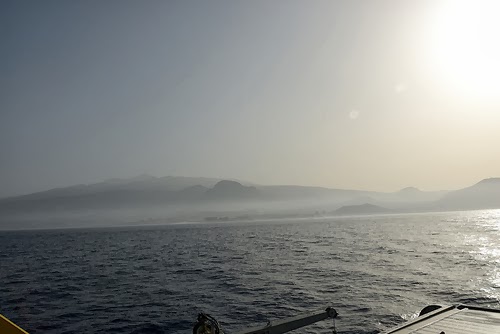
Our most memorable excursion was the trip to the Island of Gomera, located just 30 min from Tenerife by ferry. The huge ferry loaded with passengers and cars departs every hour from the port of Los Cristianos. It was too windy at stern of the ferry so we stayed mostly inside the passenger cabin which had toilets, a bar, and comfortable seats. I was fine on the way to Homera, but on the way back, after a whole day in the hot sun, I ended up being sea sick. I sat grasping the seat handles, my head between my knees, like a goose.

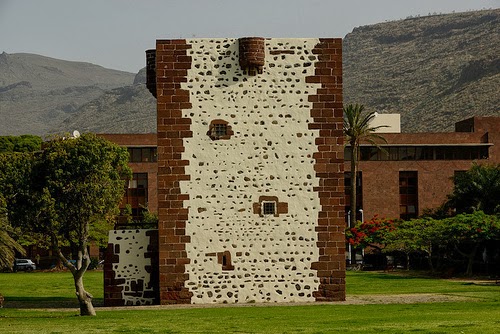
Gomera has many legends. The tour starts from the capital of the island, San Sebastian, where Columbus house is located. He stopped here before going to discover America. Here he was received by the Spanish aristocrat Beatriz Bobadilla, who became his mistress. Our guide Maria told us some interesting stories about the inhabitants of Homera, none of which could find online either in English or in Russian. For example, how Beatrice was widowed before meeting Columbus. Her husband, who was granted possession of the island by the Spanish queen, was a great lover of women. Bobadilla and her husband brutally killed local residents, the Guanches, who did not want to obey the Spanish invaders who captured their lands.
avno that to enter into a relationship with his own sister).

In search of materials about this legend, I came across a book by the Argentine writer Abel Posse “Dogs of Paradise”. This book is about the life path of Columbus, about how he decided to become a navigator and go in search of new lands, which he considered paradise, about his meeting with the Castilian queen Isabella, who made him an admiral and, of course, about Columbus’s erotic adventure on the island Homer :-))))), visiting the sexual maniac Bobadilla.

““She lived alone in the Tower… She kept wolves and lions. She ate the meat of wild boars and deers shot high in the mountains. Sometimes she ordered shark fins and rays to be delivered to the Tower and cooked them the Japanese way – in a bitter lemon marinade. Thick soups were cooked from this, they helped her in love affairs. About the devilish lust of Beatrice was fame throughout the district. If the fishermen happened to approach the island of Gomere at night, they listened to the desperate cries of her hapless lovers. Blocks, whips, stocks, spiked leather belts, cypress rods soaked in brine and vinegar. Servants in hoods pulled over their faces. Love is red or yellow, Beatrice’s love was dark brown. Almost all of her lovers – fishermen, lost sailors, captured Guanche leaders, overly nimble church servants – at the end of the night were thrown down into the sea, through the north window of the Tower. But it also had its own attraction. Despite the terrible rumors, it was hard not to accept the invitation of the famous beauty. In the era of severe prohibitions on any sensual impulses, who will miss the opportunity, who will refuse to endure torture from a naked woman? In addition, everyone must have hoped to tame her temper with soft tenderness, to arouse reciprocal love …”  This is how Beatrice Bobadilla is described by Abel Posse. Having read this book before my trip to Homer’s Island, I would probably look at this unremarkable medieval tower, which today is about a hundred meters from the seashore, with different eyes.

But on the day of the tour, I didn’t know anything about it. However, there were many other exciting experiences on Homer….

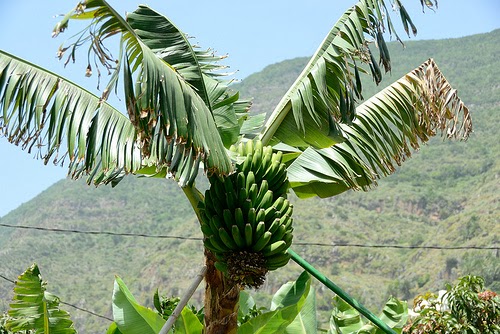
After visiting a small garden with bulk papayas and plantains (small bananas), we went to a shop where we bought several national souvenirs – palm syrup ( obtained from local palms and considered by the locals as an energy healing drink), almagrote sauce and homeron – palm syrup combined with grape vodka, recommended by our guide as a natural viagra. Then we were taken to a restaurant where they served pumpkin soup with the same almagrote sauce. Both the soup and the sauce were the same orange color, and they were suggested to be eaten together for piquancy. However, this sauce went well with both bread and chicken, and since it was very tender and spicy, I certainly ate more than necessary … For those who are planning to go to the Canary Islands, keep in mind that the food here is very tasty everywhere, but the sea shakes a lot, so control your appetite so that you don’t have to regret it later :-))).

In the same restaurant, we were shown the unique language of silbo whistling  . According to the guide, in ancient times, this language was the main means of communication on the island, as the rocks transmit the sound of the whistle well. With the help of this whistle, the Homerians could transmit messages from one end of the island to the other (without any special devices, mind you!) According to one hypothesis, the ancient Romans pulled out the tongues of the inhabitants of North Africa, whom they took out on ships to sell into slavery, and they learned to communicate without language – with the help of a whistle. Some of these ships could end up on Homer. The Homerians whistle, indeed, without using their tongue, putting their fingers into the genus. So that the whistle language does not die out, it is officially taught in local schools. You can listen to the whistle here .

In the afternoon we visited Garajuan National Park , whose name comes from the names of Princess Gara and Prince Juan, Canarian Romeo and Juliet, whose wedding was prevented by a volcanic eruption, interpreted by their families as an unkind sign from above. Juan sailed to Gara from Tenerife to Gomera, where they joined and threw themselves off the highest mountain of the island. This mountain and the forest surrounding it were named Garajuan. Garajuan Park is unique and included in the UNESCO World Heritage List. It is believed that this is the remnant of an ancient forest that covered most of Europe in the Tertiary period (more than 2 million years ago). There are many endemic plants and animals (that is, those that are not found anywhere else in the world), for example, tree-like chamomile and tree-like dandelion.

In general, despite the heat (it was 37 degrees that day), motion sickness on the ferry and on mountain serpentines, the trip to Homer Island justified itself, and I would not hesitate to go there again.

The Venice of the North

Stockholm, the unofficial capital of Scandinavia, is a beautiful Nordic city known for its world-famous music, social democracy, unparalleled life style, delicious food and cutting-edge design and architecture. The legend says that Vikings founded Stockholm after filling a hollowed-out log with gold, laying it in the water and letting it guide them ashore. The tale is fictional but metaphoric: This city is golden. It is filled with rich history, cosmopolitan glamour and stunning beauty.

Military Band

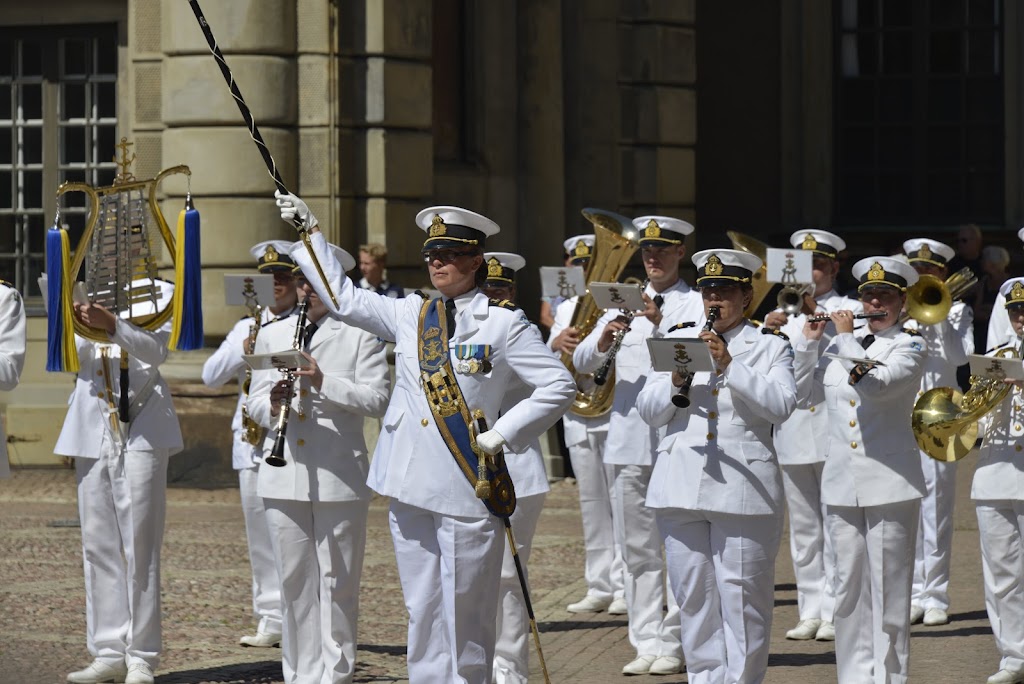
The changing of the guard ceremony at the Royal Palace has been a daily tradition since the XVI century. In summer the guards are accompanied by the the military band who march in their impeccable white uniforms all across the Old Town towards the Royal Palace. As you can see there is a decent number of females amongst the guards and the band performers.

Storatorget

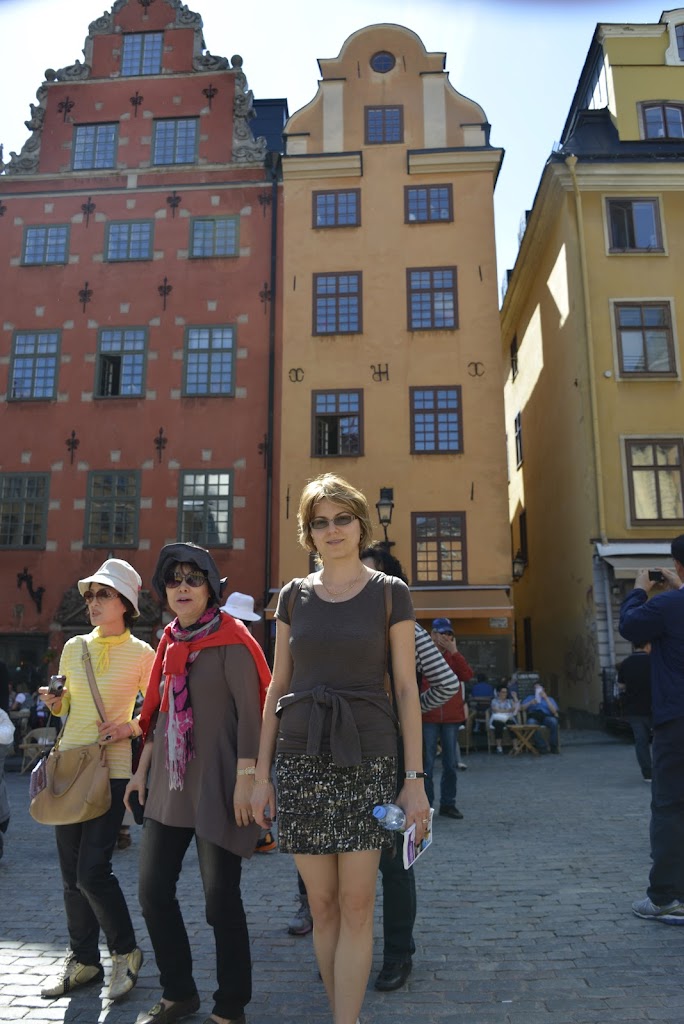
Storatorget, located in the center of the Old Town is a picturesque old square often seen on the Stockholm postcards. In the 16th century this was an execution place called Stockholm Blood Bath where the king beheaded his political enemies.

Alfred Nobel invented dynamite in 1866, which earned him a huge fortune. A French newspaper mistakenly published Alfred’s obituary and condemned him for his invention of dynamite saying that he became rich by finding ways to kill more people faster than ever before. Alfred was disappointed with what he read and concerned with how he would be remembered. In his will he allocated 94% of his assets to establish the Nobel Prize.

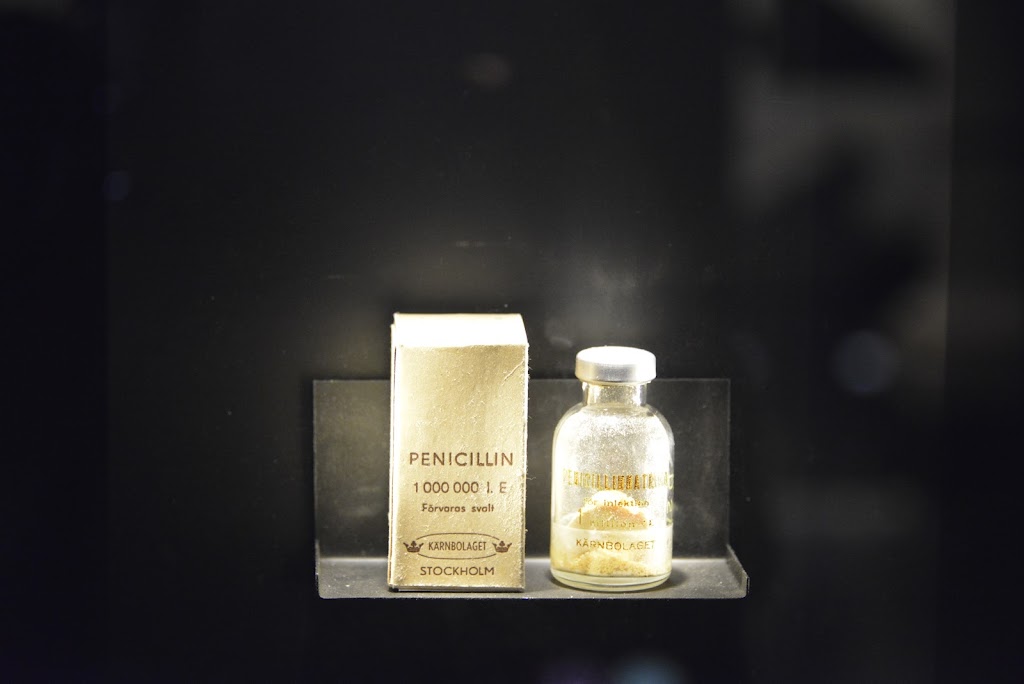
Penicilin
(discovered by
Alexander Fleming in 1928)

More than 800 Nobel Laureates and some of the world’s most important ideas and discoveries are presented in Nobel Museum located here, at Storatorget Square.

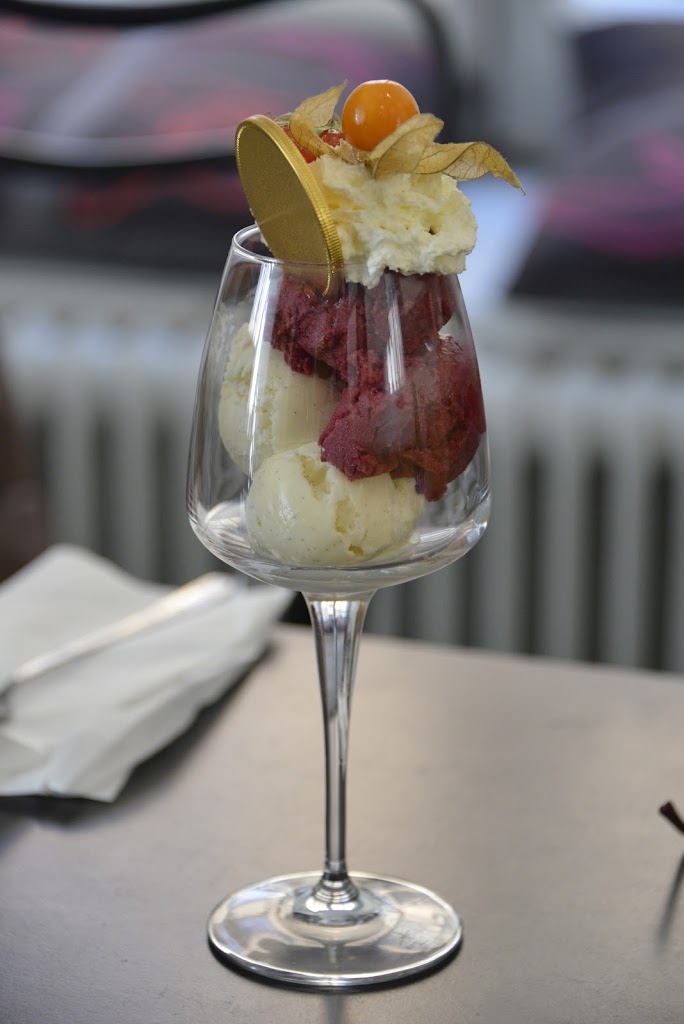
Nobel Ice Cream

The famous Nobel Ice Cream is a special dessert created for the Nobel Banquet in 1976. It was served to guests at every Nobel Banquet until 1998. Today, the ice cream is made only for the Nobel Museum and Bistro Nobel, a small café inside the museum.

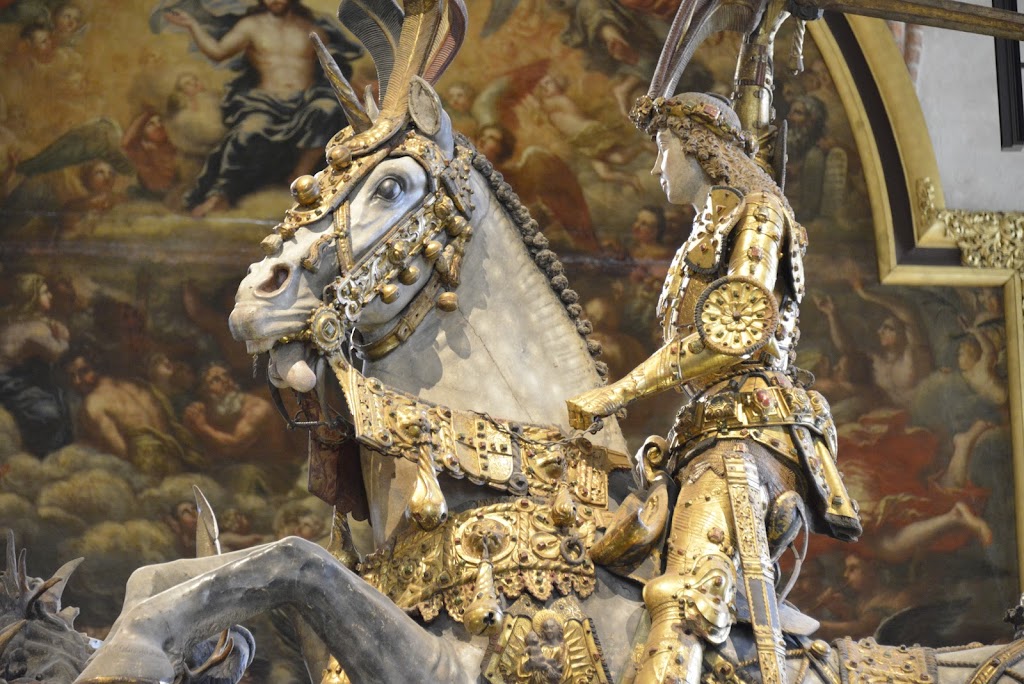
Statue of St George

Storkyrkan is the oldest church in the Old Town of Stockholm. All the royal weddings and coronations took place here. Locals believe that this statue of Saint George fighting the Dragon symbolizes Sweden’s need to struggle against evil. I think they already won that battle long time ago – today they are a truly happy nation.

Comprised of 14 beautiful islands and a labyrinth of canals, the Swedish capital is often referred to as the Venice of the North. The waterways are so clean and pure that you could safely drink straight from Mother Nature’s tap.

Housed in a magnificent building the Nordiska museum is the exposition of the Northern culture. Inside is a collection of all things Swedish, from Sami folklore to eclectic exhibitions of Swedish fashion, shoes, interiors and even table settings.

A very unique exposition at Nordiska museum is dedicated to Sami people, the indigenous people who live in the northern parts of Scandinavia. There are at least 20,000 Sami in Sweden and like most First Nations in Canada their main occupations are hunting and fishing. Today they are also involved in handicrafts, tourism, media, art and music. Sami have their own political organizations and recognized as a national minority in Sweden.

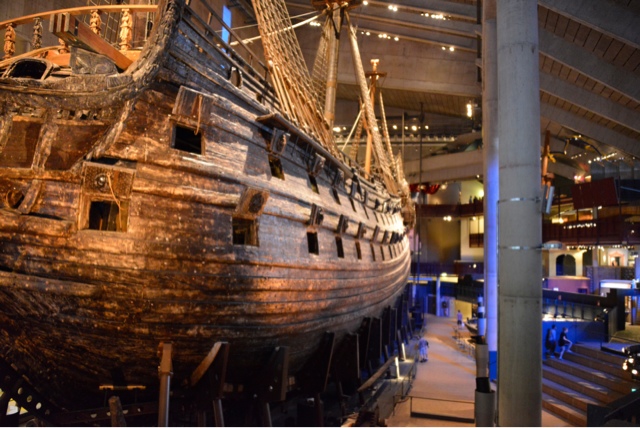
The Vasa Warship

The Vasa Museum is Sweden’s most famous attraction. It is home to the world’s only preserved 17th-century warship, which is almost 70 meters long. Vasa, the Scandinavian Titanic, sank in the middle of Stockholm harbor in the middle of the 17th century and was salvaged for restoration only in 1961. More than 95% of the warship is original and was restored to its original glory. The wood that has been under water for over 300 years can easily split and collapse if allowed to dry after salvage. This is why the museum has a controlled humidity to ensure the ship survives for as long as possible.

When it comes to museums Swedes like to go into every detail. The Vasa Museum tells you everything about the ship crew, their health issues, dental problems and diet. The researchers were able to restore all these details using just bones and skulls.

Skansen is the world’s first open-air museum, where you can stroll through five centuries of Swedish history, around historical buildings and dwellings and meet people from the past.

The Skansen Zoo

The Skansen Zoo is like Canadian Lion Safari, but with Nordic animals. Beware of lemurs who can use your back or head as a springboard.

In summer Stockholm people of all ages wear sneakers and cotton pants. I don’t know whether it is a fashion trend or they simply don’t care about their looks. The truth is unlike Americans it doesn’t really matter what they wear because they would look stunning in any clothes. I haven’t seen so many beautiful people (both men and women) in any other country of the world. And I think they are aware of this because they seem so confident. This is what the whole H&M style is based on – simple, comfortable and relaxed.

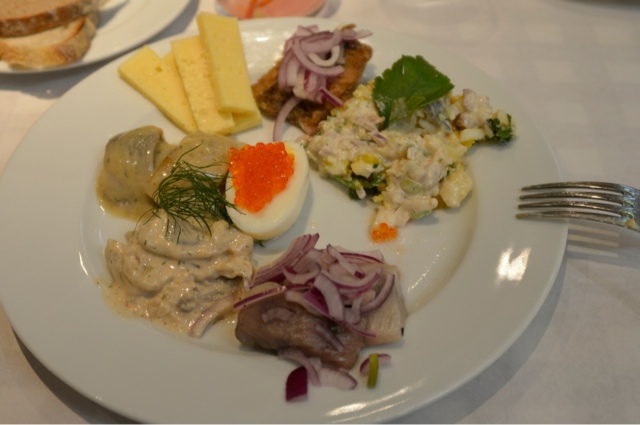
Another thing they do is getting together in a huge crowd and singing along with their favorite TV host. Sing-a-Long at Skansen is a televised event broadcast live every Tuesday evening in summer and they have been doing this since 1979. Today the host of the show is the 26-year-old idol Måns Zelmerlöw. What else do Swedish people like? The herring in mustard sauce, marinated herring, for breakfast, lunch and dinner.

The Ericsson Globe

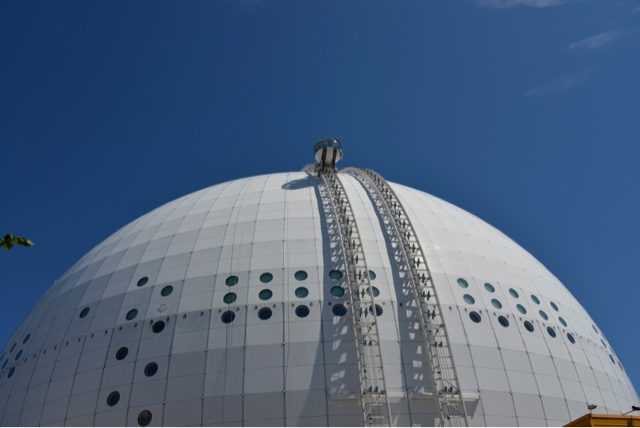
Another example of the Swedish passion for creativity and design is the Ericsson Globe, the world’s largest hemispherical construction. The Globe is the national arena of Sweden and is named after Swedish largest telecommunications company and the maker of the popular phones. The two spherical glass gondolas take visitors to the very top of the building from where you can see the entire city. Of course, it’s nothing compared to Eiffel or CN Tower, however its the shape that makes it unique. It feels like walking on a very small “moon”.

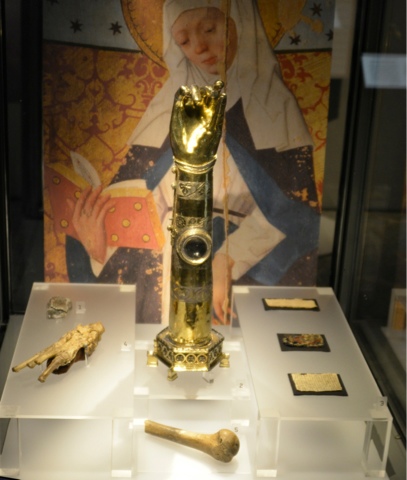
The National Historical Museum is mostly known for its Vikings collection. Like every other Swedish museum they like to exhibit bones of animals and humans dug out from the past. And of course gold and silver. However, no recording was allowed in the famous Gold Room, which contains 52 kilos of gold and over 200 kilos of silver. Nevertheless, we were able to take a sneak peek….

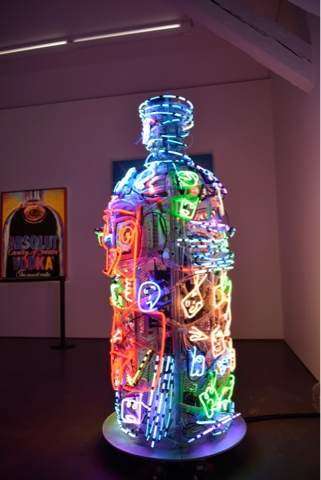
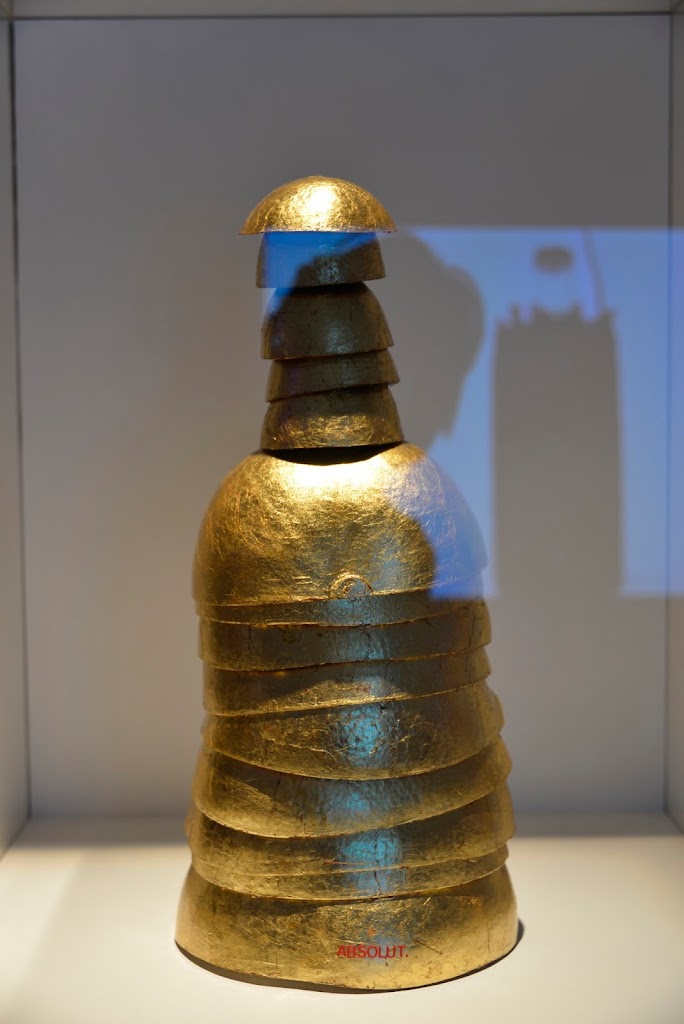
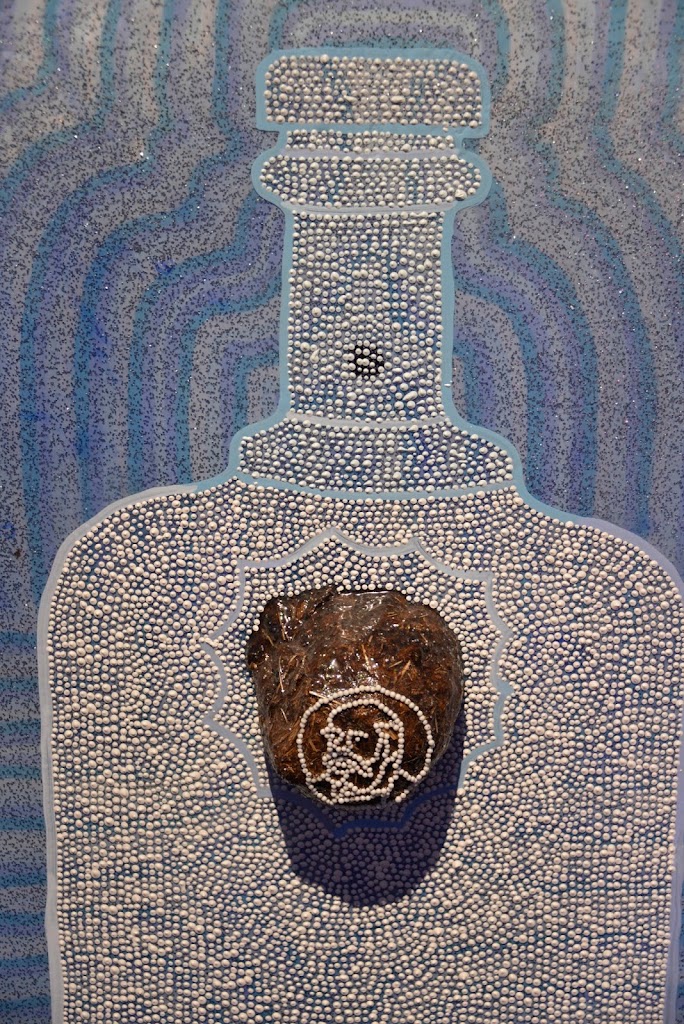
The Spritmuseum, The Museum of Spirits, or Absolute Museum, is a unusual and creative exhibition which celebrates and disapproves alcohol drinking at the same time. It takes you on an unforgettable journey from the vodka production process to a drunken party room, all based on art, scenery, experience, scents, sounds and tastes… The Absolute Art Collection is just another showcase of Swedish creativity, artistry and sense of humour.


Did you know that these things came from Sweden?

  1. World’s best pop bands of the 80s – Abba, Ace of Base, Europe, Roxette 
  2. Ikea. With 267 stores in 25 countries, it made the interior creation easy and affordable for everyone. 
  3. The Nobel Prize. An international annual award of US $1.2 million administered for achievements in physics, chemistry, physiology or medicine, literature and for peace. The famous Nobel Laureates include Albert Einstein, Ernest Hemingway, Alexander Solzhenitsyn. Theodore Roosevelt and Mikhail Gorbachev.
  4. Ericsson phones, as well as the invention of Bluetooth 
  5. Tetra Pak – a multinational food packaging company producing over 160 million packages a year. 
  6. The zipper – the method still used today, based on interlocking teeth, was invented in 1913 by the Swedish engineer Gideon Sundbäck. 
  7. Dynamite – the explosive material invented by Alfred Nobel in 1867.
  8. H&M – a multi-national retail-clothing company with 2,629 stores across the world. 
  9. Buffet-style restaurants. The buffet table originates from the traditional Swedish Smörgåsbord, the table of sandwiches.

Paradise Island Adventure with Poker Stars

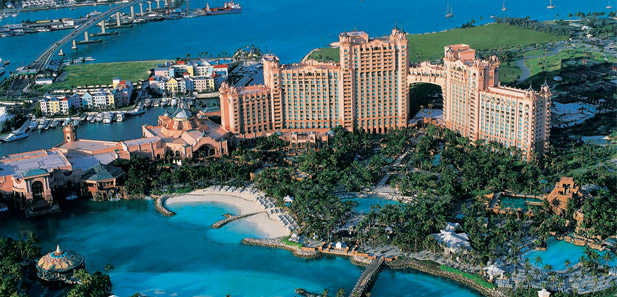
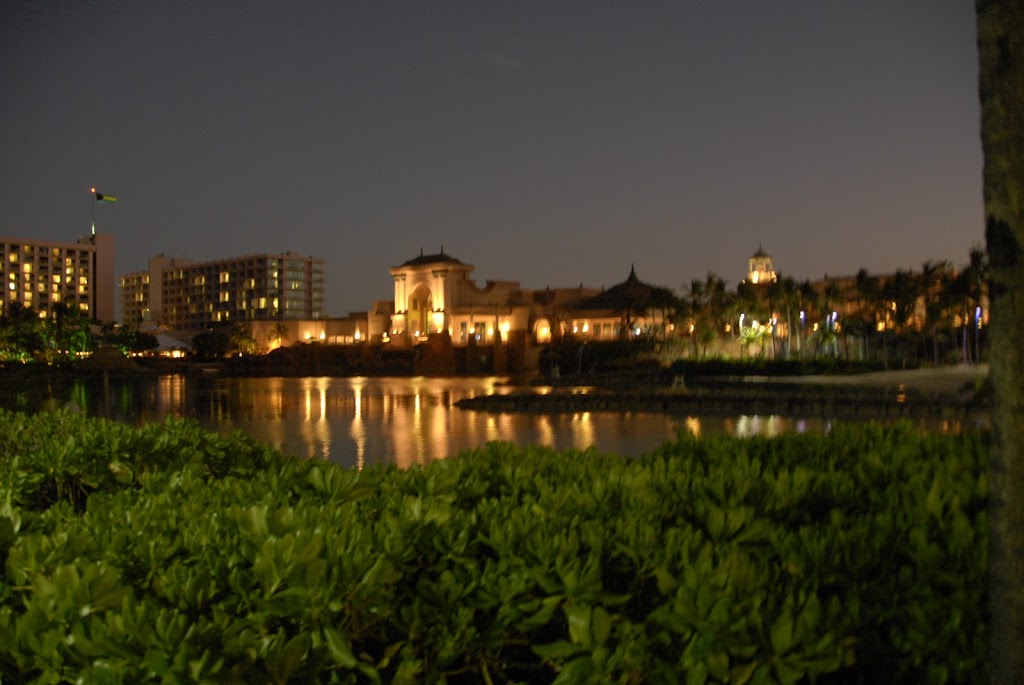
Atlantis hotel located at Paradise Island, Bahamas, is considered one of the best destinations in the world. Surrounded by water this giant resort proudly rises above the island like an ancient fortress.

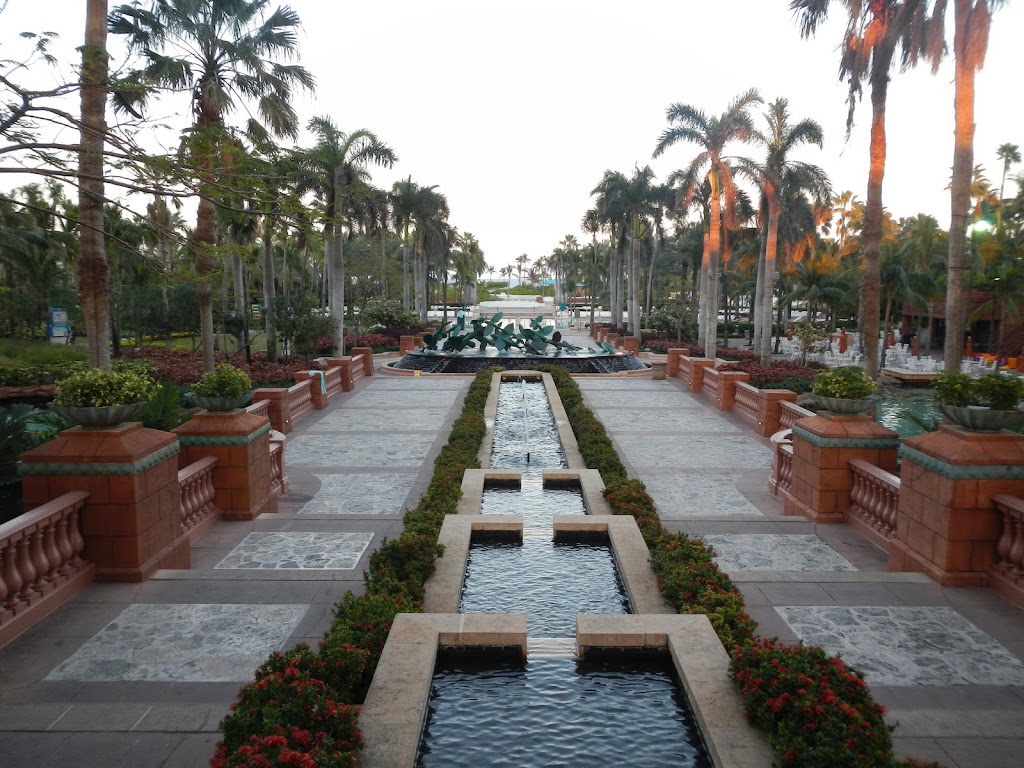
During the first few days at Atlantis we got lost in this maze of endless lobbies, boutiques, galleries, tunnels, pools and lagoons. Those who come here with a child should bring a stroller. It took us a while to figure out the shortest way from Royal Towers to the beach, even with the map on our hands. Unfortunately the shortest way was not stroller friendly since the elevator to the beach level was always out of service. Well, that’s fine, after sitting in front of computers for months, long walks were good for us.

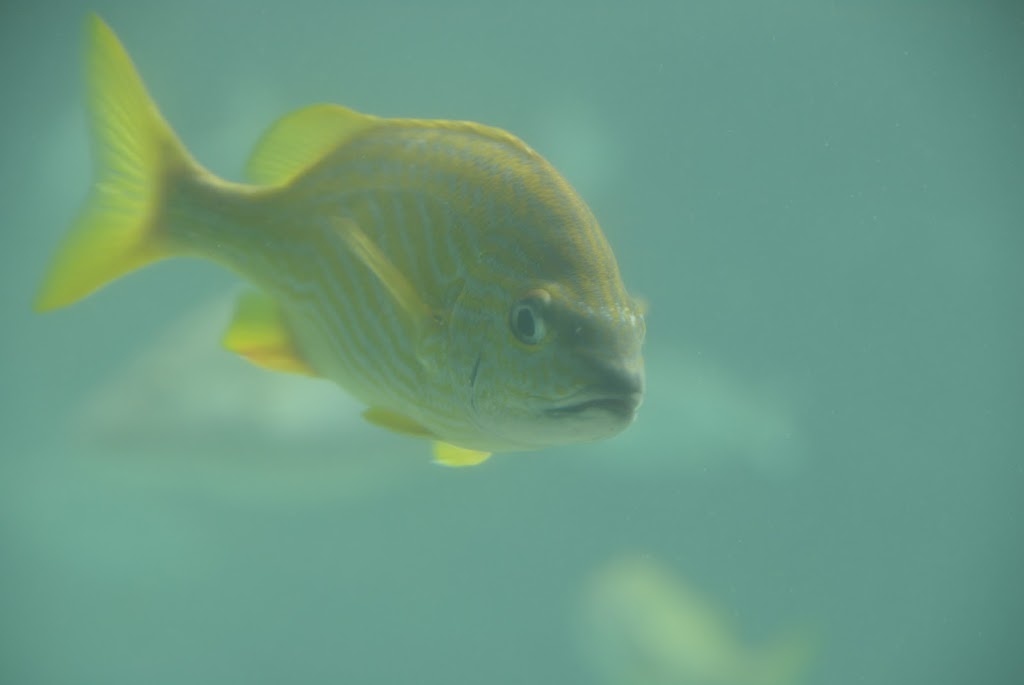
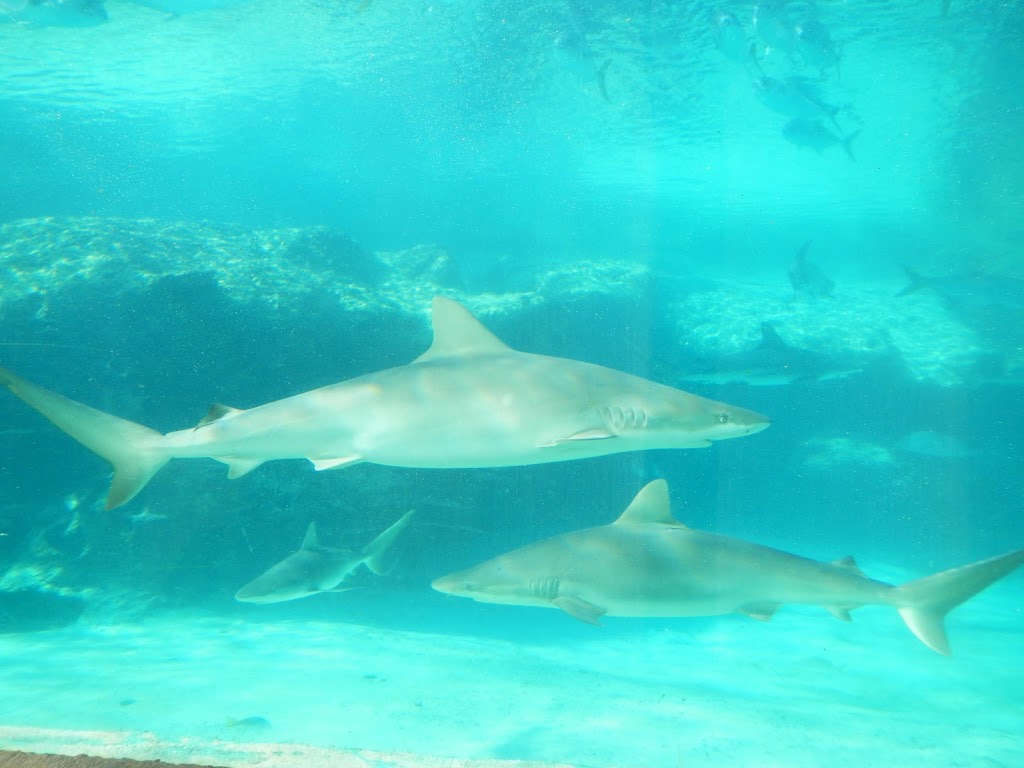
The Dig, located underneath the Royal Towers lobby, is a misterious dark tunnel representing the lost city of Atlantis. You can see here lots of exotic sea creatures staring at you through the glass. Thousands of brilliantly coloured tropical fish swim along with enourmous groupers and magnificent rays. On the way to the beach, at the Predator Lagoon, you will find Hammerhead Sharks, Barracudas, Blacknose Sharks, Caribbean reef sharks and Nurse sharks.

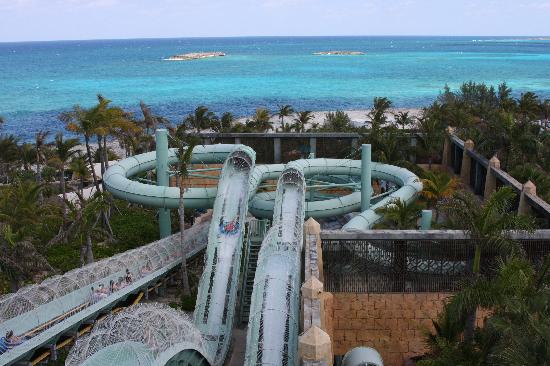
Atlantis Aquaventure Water Park, is one of a kind non-stop aquatic thrill ride. Some of the water slides are so incredibly fast and thrilling you can nearly blank out for a moment. Make sure to keep your bum up all the time, otherwise it can hit you when least expected.

In spite of the overall luxury of the place and ridiculous prices at the restaurants, the food at Atlantis is not all that great. While the dinner at the buffet is $55 per adult and $27 per child, the choices are quite poor compared let’s say with Mexico or Dominican Republic. There are some cheaper places where they offer sandwiches, fries, horrible pizza and other junk. Usually, only 1 or 2 items on the menu would be more of less all right, if you are lucky, or if the chef is in a good mood, and everything else would be too chew, too dry, too spicy. Well, forget it. If you want to eat well at Atlantis, go to fancy restaurants. This resort is designed for rich and idle who can afford spending big bucks on food, shopping and entertainment. Don’t be surprised to find an ordinary dress for 6 grand or a tiny little diamond for three thousand dollars. It’s not because these items are so valuable. It’s because the visitors can afford to spend that much. After all, what is a $6,000 dress compared to the amounts played in the casino, or at the poker tournament?

During our stay at Atlantis we witnessed the annual poker tournament sponsored by Pokerstars, the online poker giant. Pokerstars Caribbean Adventure 2012 attracted over thousand professional and amateur poker players who flew from all parts of the world to take part in this 10-day poker battle. Each of the players contributed $10,000 to the prize pool. The $100,0000 buy-in Super High Roller was one of the central events at the tournament with 30 world’s top players. The big winner of the tournament’s Main Event was John Dibella, a stock trader from the USA who scooped the massive $1,775,000 in the first place prize money. Although Dibella is not a profesional player he said it was easier for him to make money at the poker table than in his everyday job.

Amongst the famous poker players who took part in the Super High Roller event were Canadians Daniel Negreanu and Jonathan Duhamel, members of Team Pokerstars Pro. These poker celebrities have been winning huge amounts of cash in many poker events. While being so rich and popular they are also kind of weird and gullible fellows. Negreanu, for example, was seen buying canned fish at a grocery store outside Atlantis. The same store where we got our oatmeal and bananas to save money on breakfasts. Another poker pro, the 23-year old Daniel Duhamel was recently robbed and beaten in his Monreal residence. They say the attack was organized by his former girlfriend, a 20-year old Bianca. The muggers took an expensive Rolex watch, 100K in cash and a souvenir bracelet won by Duhamel at one of the Pokerstars previous events. Luckily, the thiefs were caught and all stolen iitems returned except for the bracelet.

While the poker players were sweating at Atlantis’ Grand Ballroom, their wives, girlfriends and supporters had fun at the casino. The famous Atlantis casino filled with tourists, pretty ladies and smoke. The casino and its night club were open till 4am. I don’t know what was going there at night as I wasn’t there, but I could see that every morning they were spraying the slots with the sanitizer, so who knows!

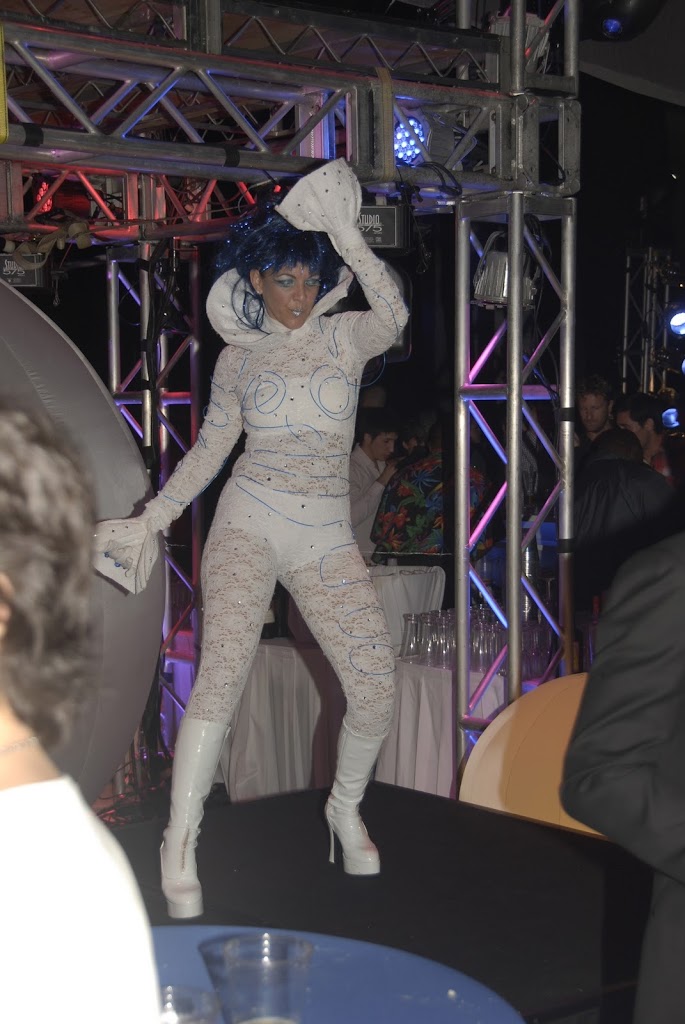
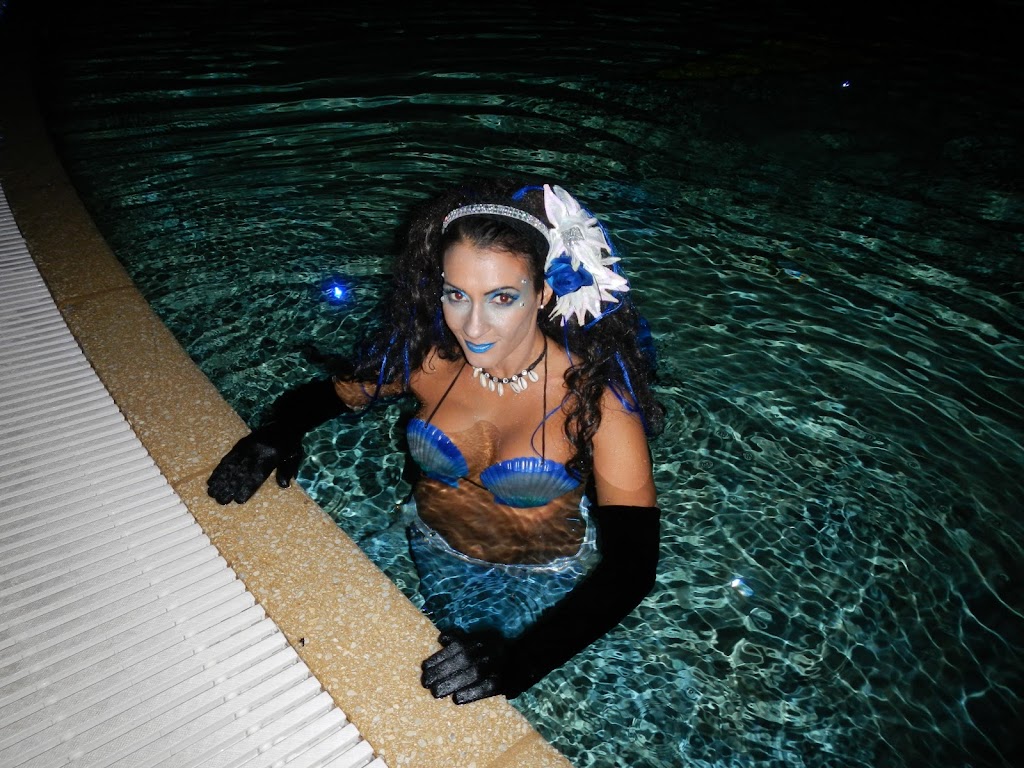
On the last day of our stay at Atlantis, Pokerstars threw a huge party at the central pool. The offered all-you-can eat and all-you can drink, and I finally had a chance to try Bahama Mama. I don’t know what they mix in this drink but it’s much stronger than any cocktail you can get in Cuba. They also had a marmaid swimming in the pool all night, a girl enclosed in a giant balloon and non-stop female dancers dressed like aliens. In spite of the fancy spotlights it was very dark so we couldn’t see what we were eating there, but whatever it was it was good.

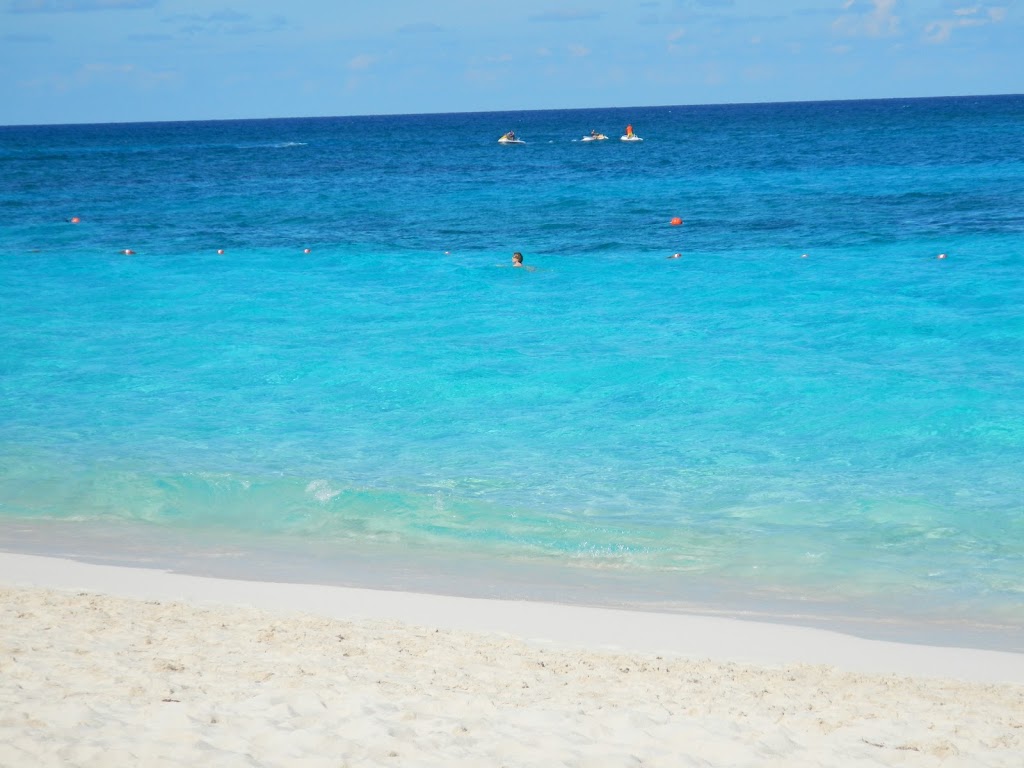
Atlantis has beautiful beaches with crystal clear sea, soft white sand, lots of sunbeds and unlimited towels. It was very warm and sunny during the first three days of our stay. Later on, the weather changed to windy and cloudy, but still, it was better than the freezing cold winter awaiting us back home in Canada.