When Tokyo Got Too Hot: Getting Creative Indoors
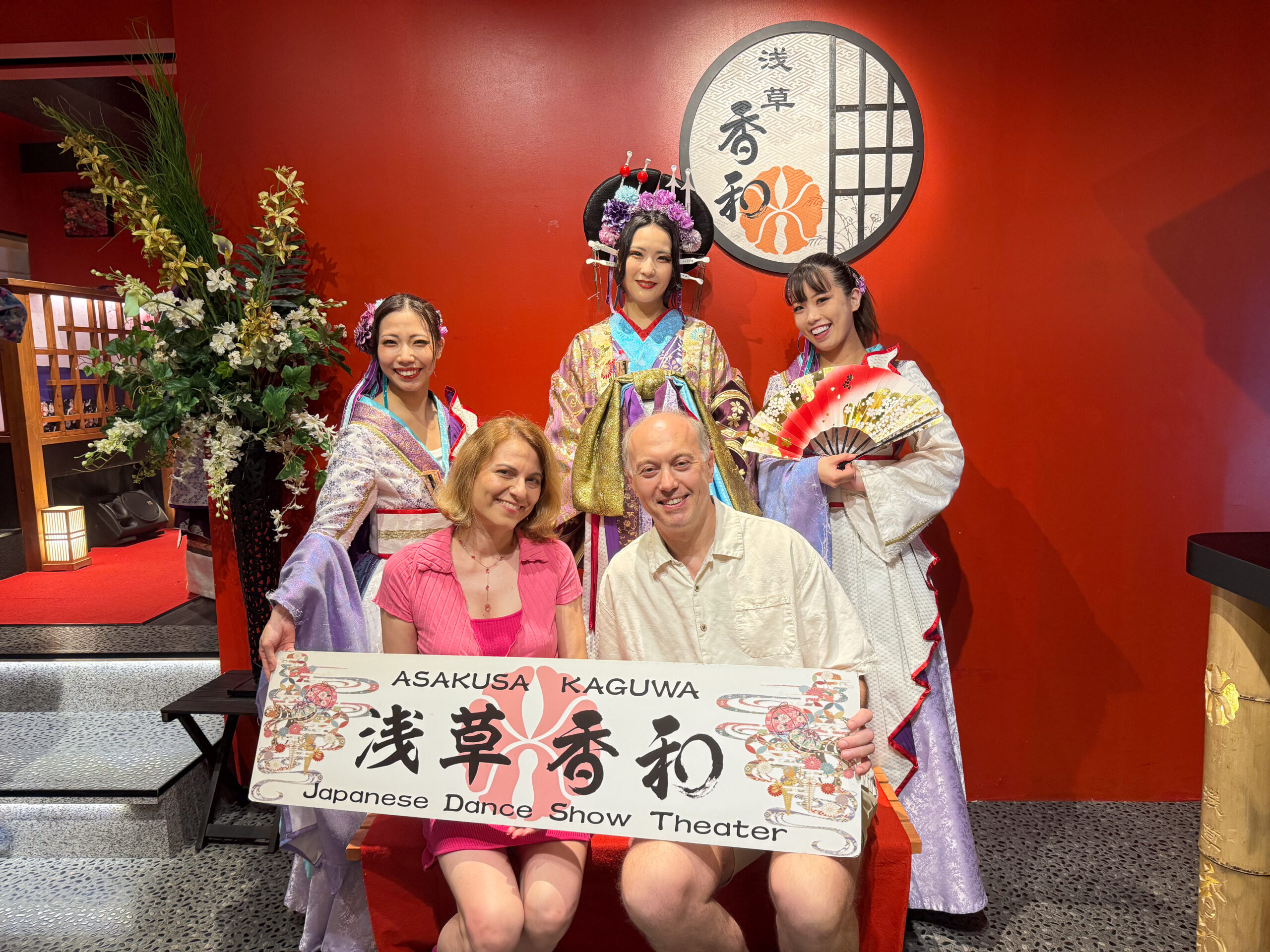
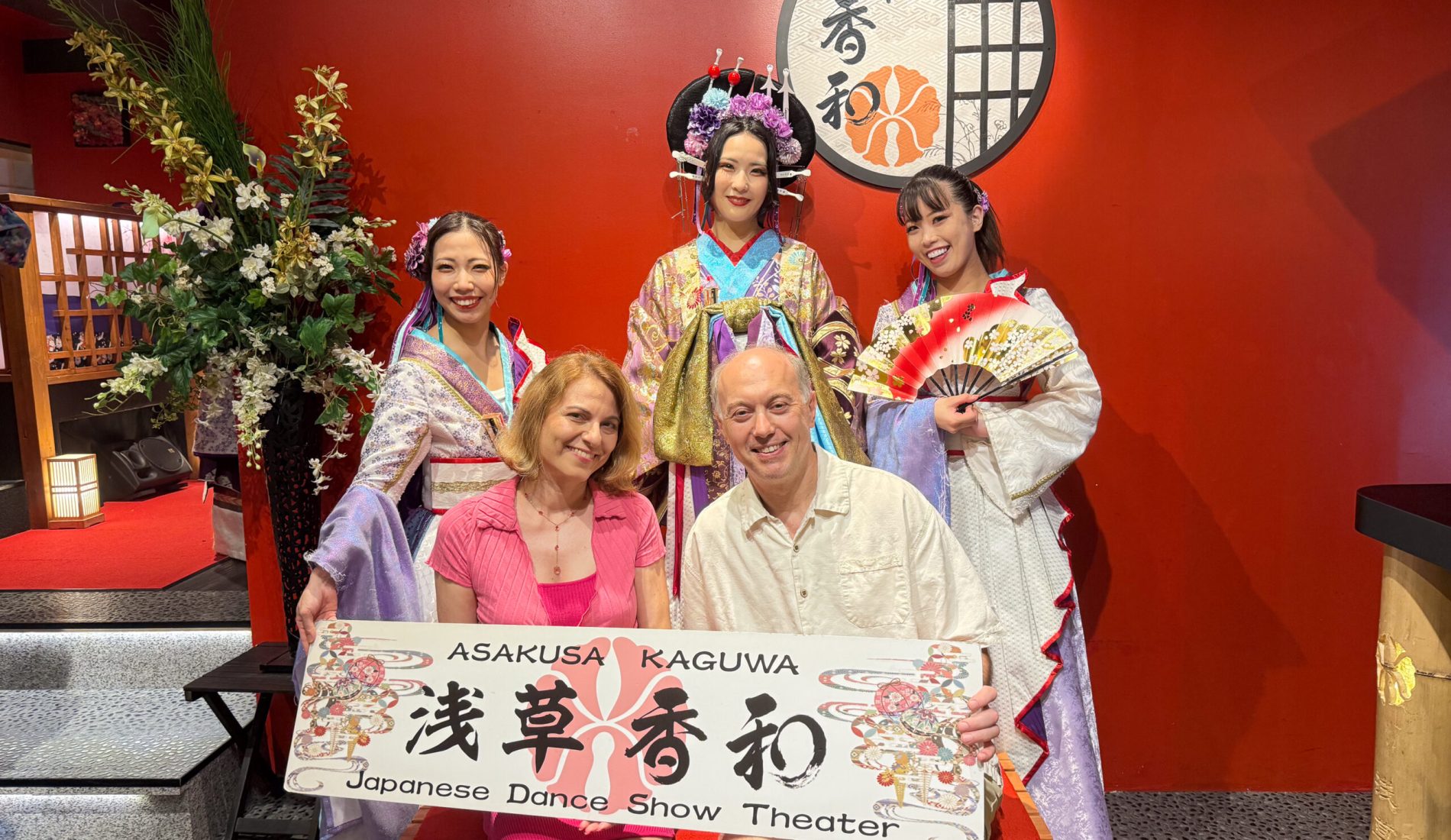
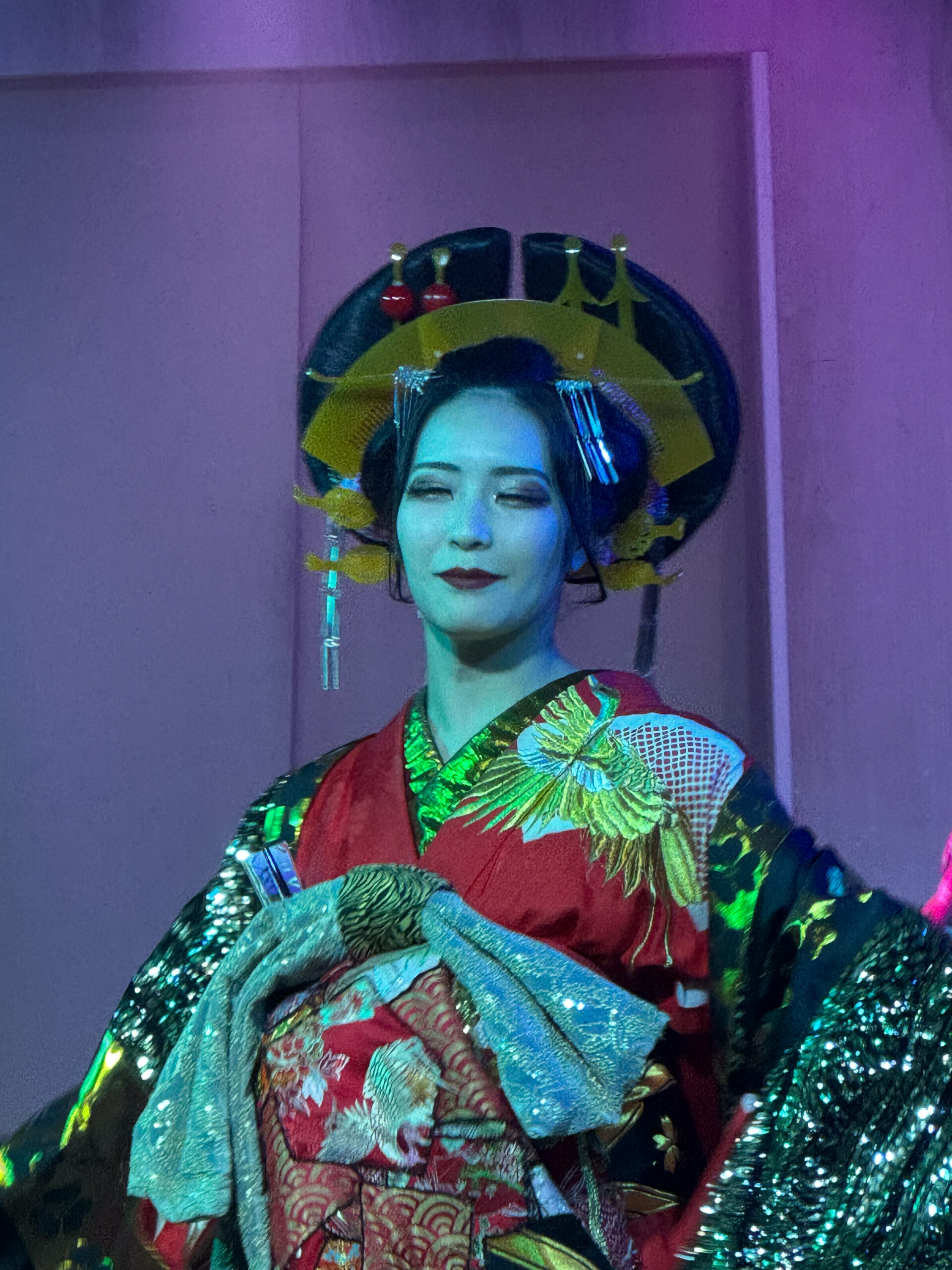
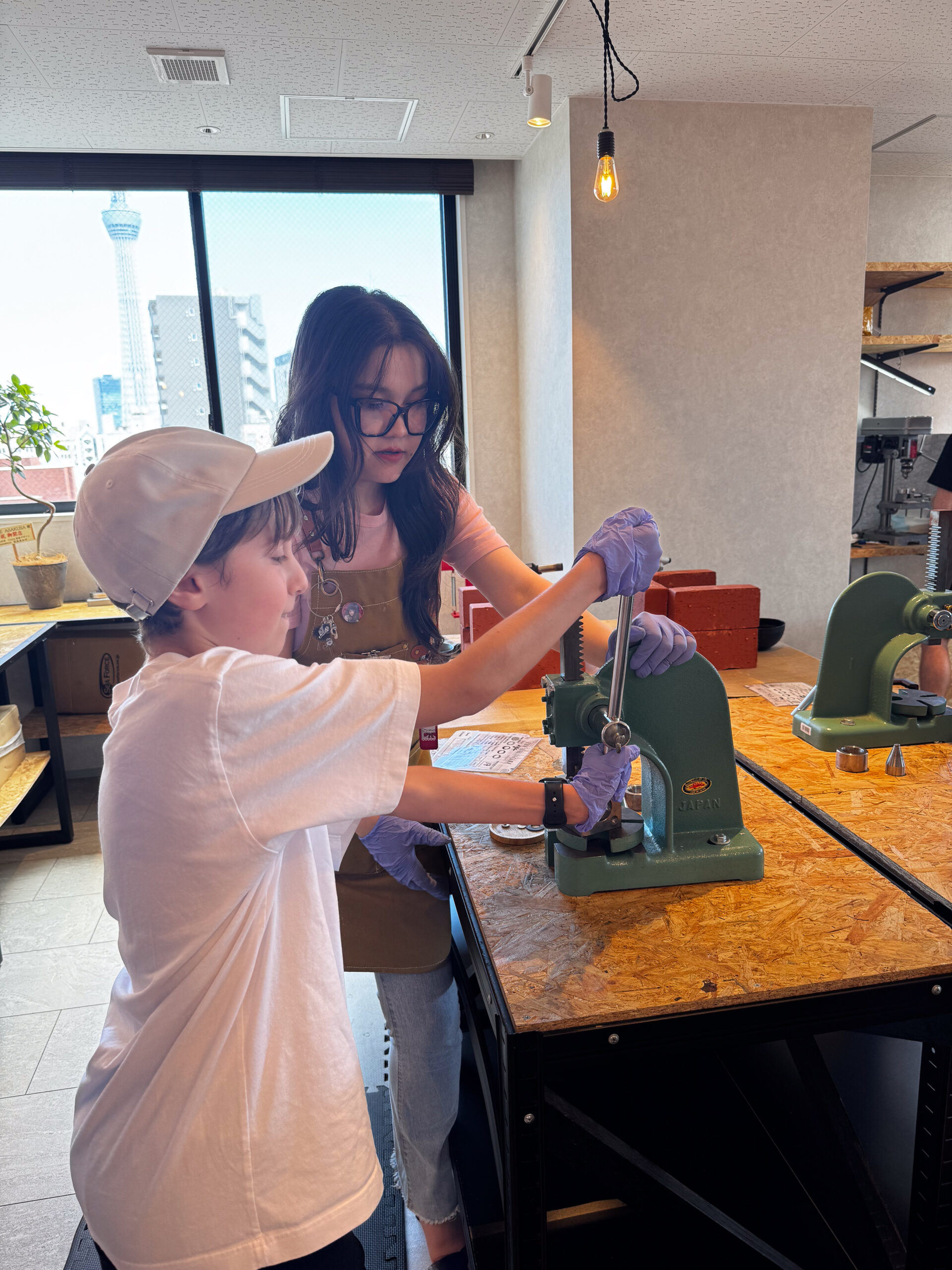
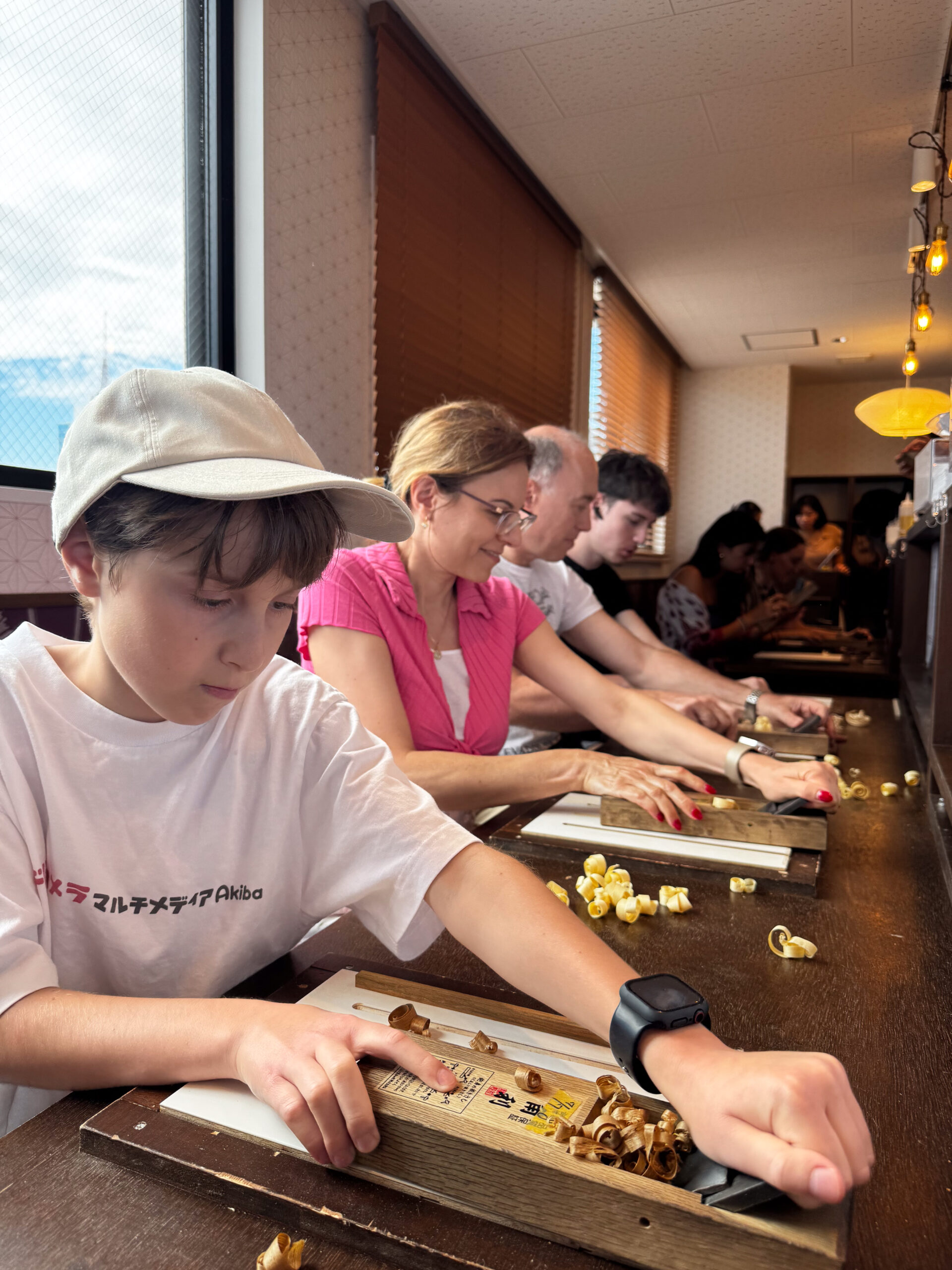
By our last few days in Tokyo, we had learned an important survival strategy: when it’s 36°C outside, find something to do indoors! I booked several activities through GetYourGuide, and because I kept using the same app, I even picked up some discounts along the way. We made rings out of Japanese coins in Asakusa and carved our own wooden chopsticks using a traditional hand plane—two of my favorite souvenirs because we actually made them ourselves. We had also booked a traditional geisha tea ceremony, but it was cancelled because of the extreme heat. Instead, we ended up at a cabaret theater in Asakusa—and honestly, it was such a fun alternative. Male and female performers in spectacular costumes told a dramatic historical story involving samurai and a young woman being sold into a brothel, with incredibly expressive acting, dance, and music. Before the show, the performers came to our table to introduce themselves and give us their cards, and afterward we even got to take photos with them. Sometimes Plan B in Japan turned out to be just as memorable as Plan A.
Anime Everywhere: Skytree, Solamachi, and Our Shibuya PARCO Quest
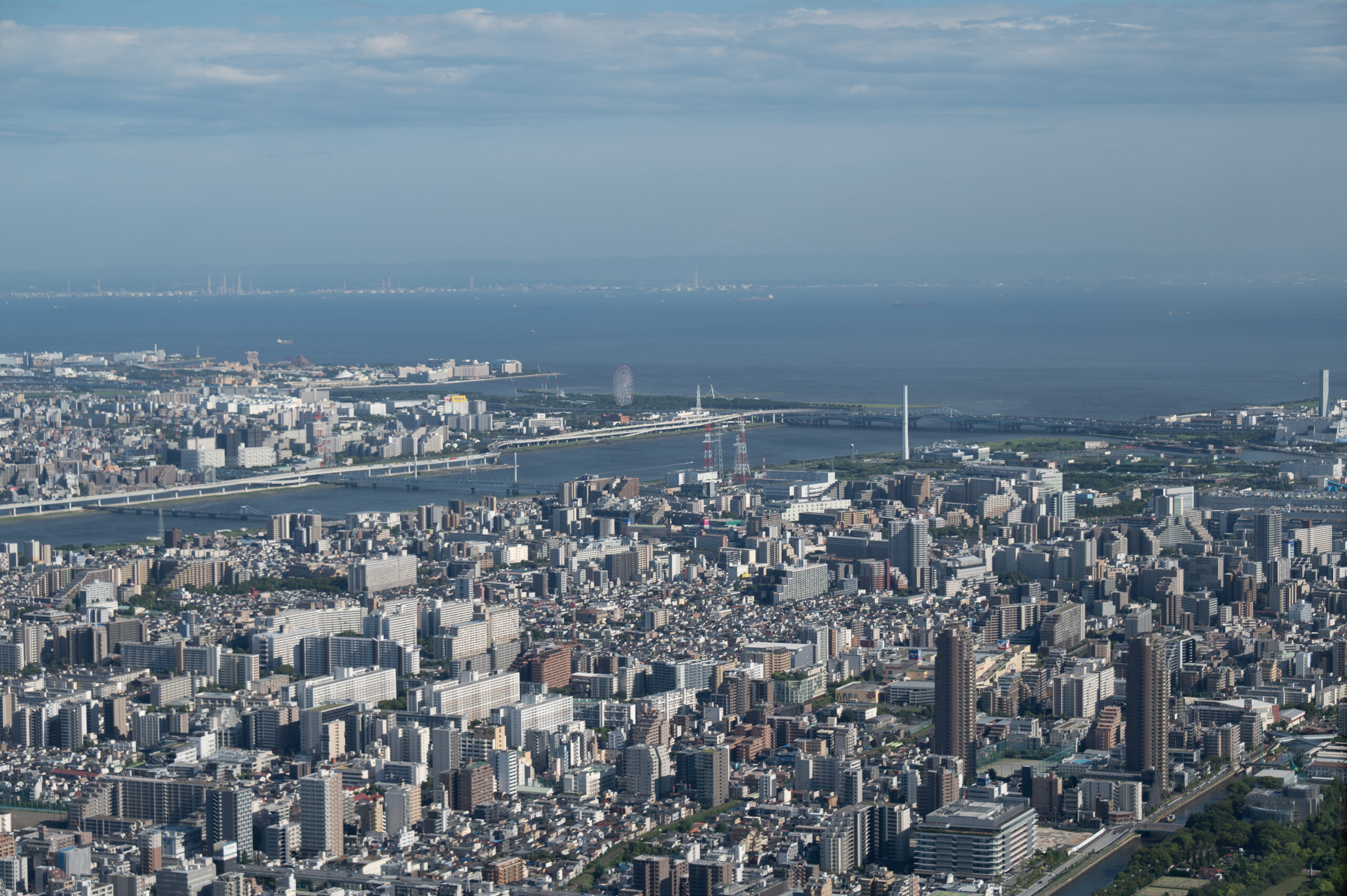
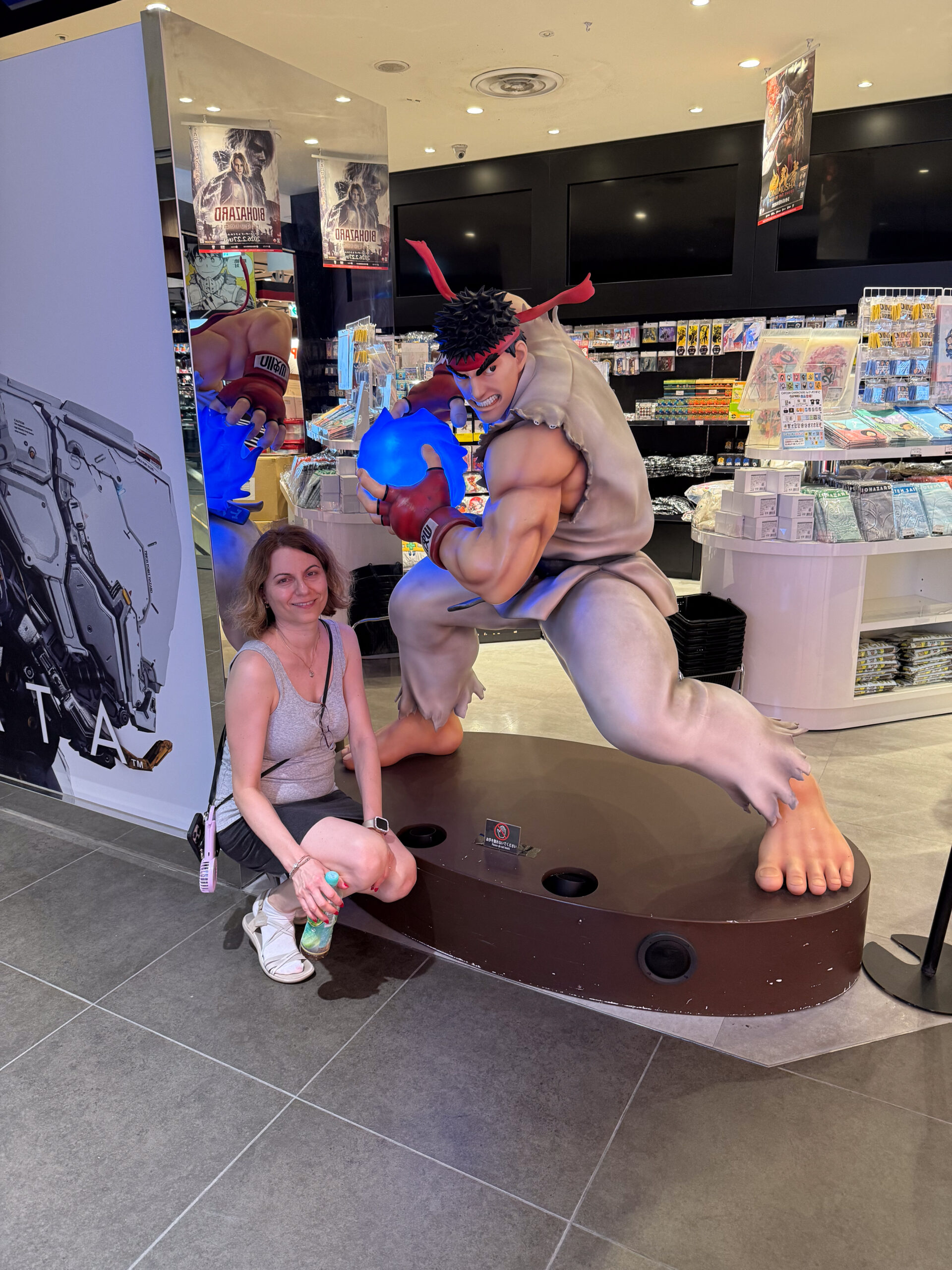
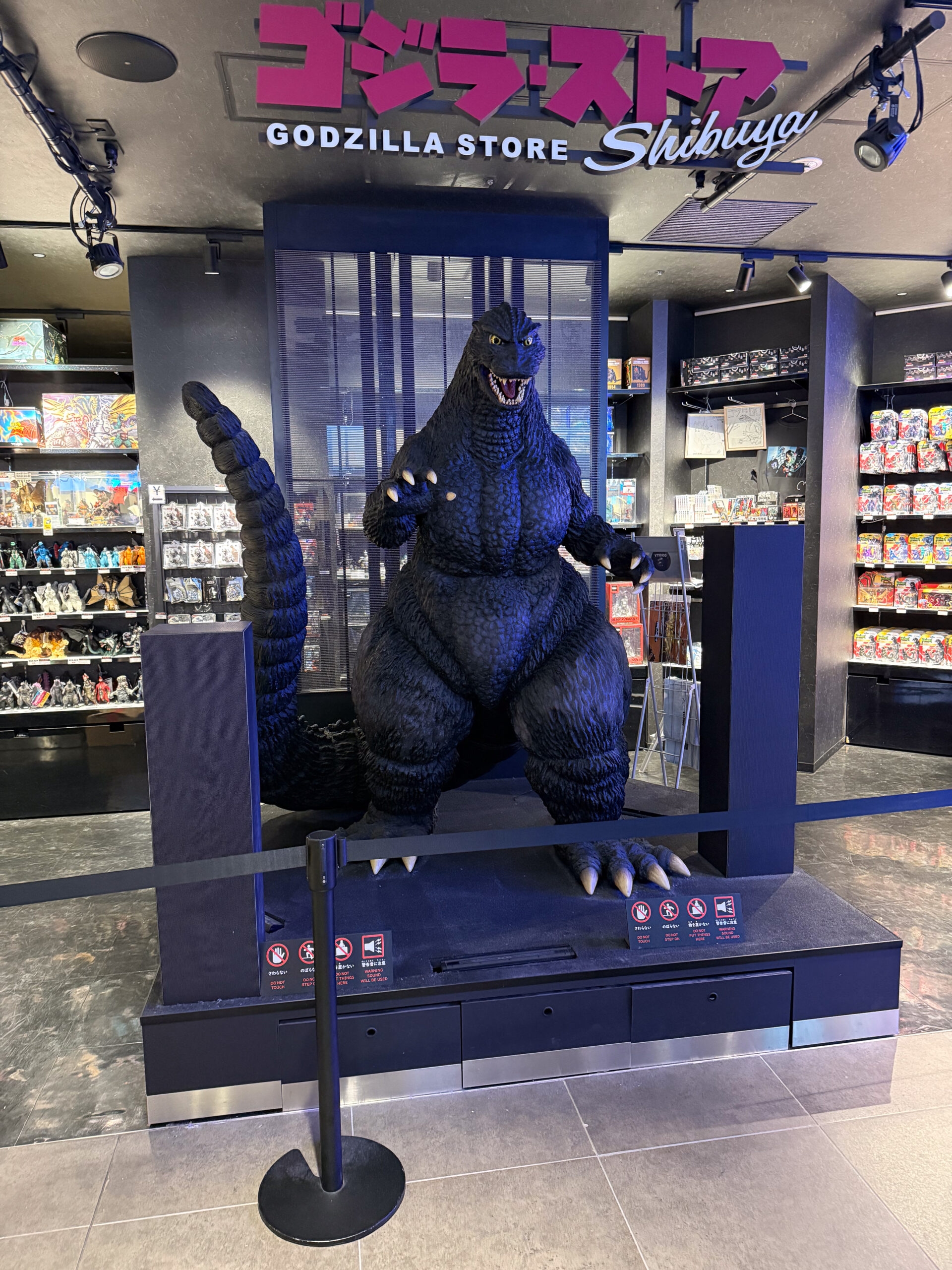
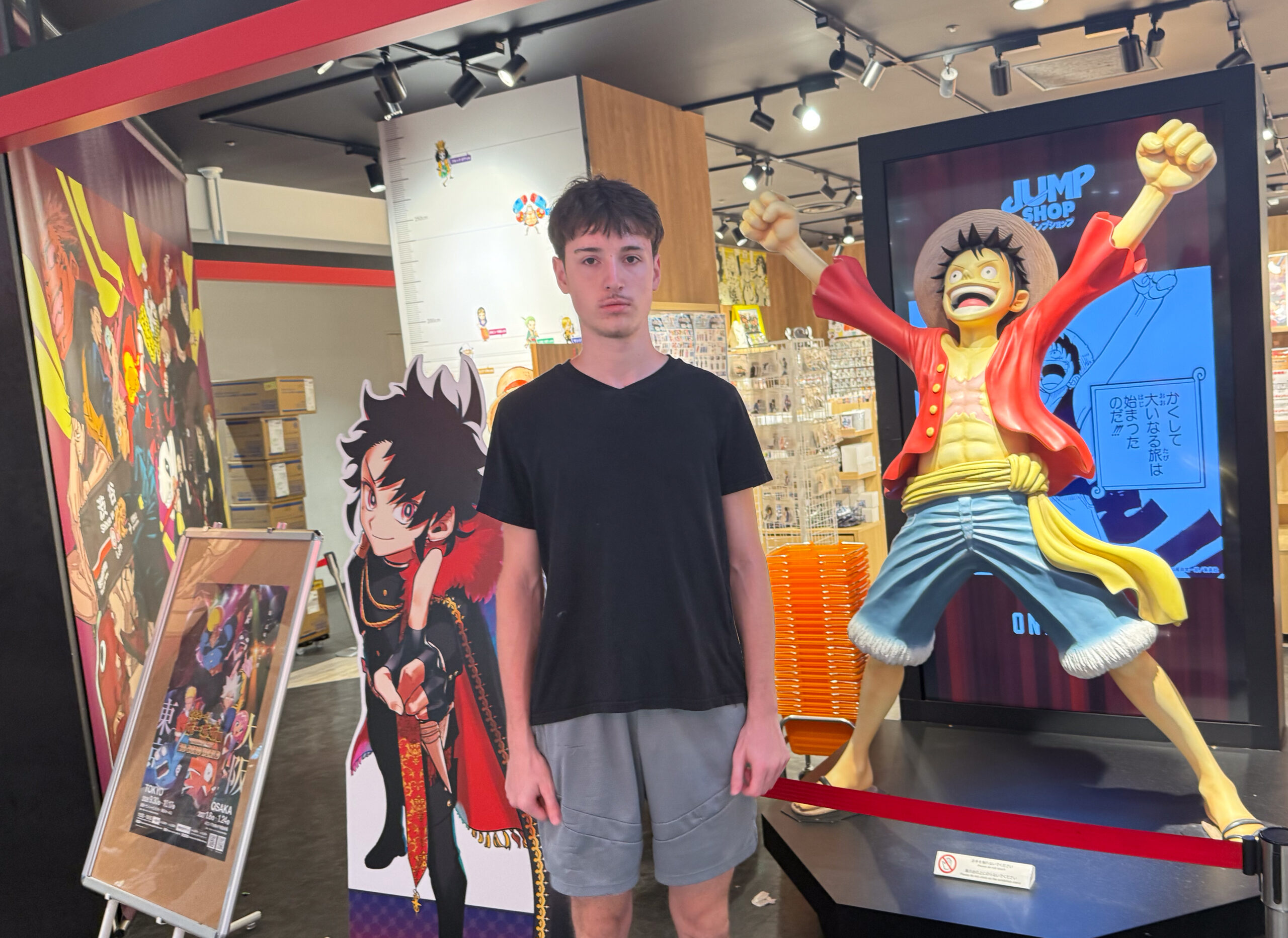
Later, we visited Tokyo Skytree, the tallest tower in the world. One thing you quickly notice in Japan is the love of mascot and anime collaborations. At the top of Skytree, the observation deck had been taken over by a collaboration with a popular character. Fans carried plushies around and posed them against the Tokyo skyline. You see these collaborations everywhere—from gachapon capsule-toy machines to pop-up cafes. It’s such a fun cultural quirk. Right underneath Skytree is Tokyo Solamachi, a huge shopping and entertainment complex that almost feels like a little town designed for kids—and adults who still behave like kids around their favorite characters. It’s packed with shops, cafes, restaurants, and character stores, including a large Pokémon Center. Everywhere we turned, there seemed to be another Disney, anime, or cartoon character waiting for a photo, so naturally we kept stopping to pose with them. You could easily spend hours at Skytree without ever actually leaving the building.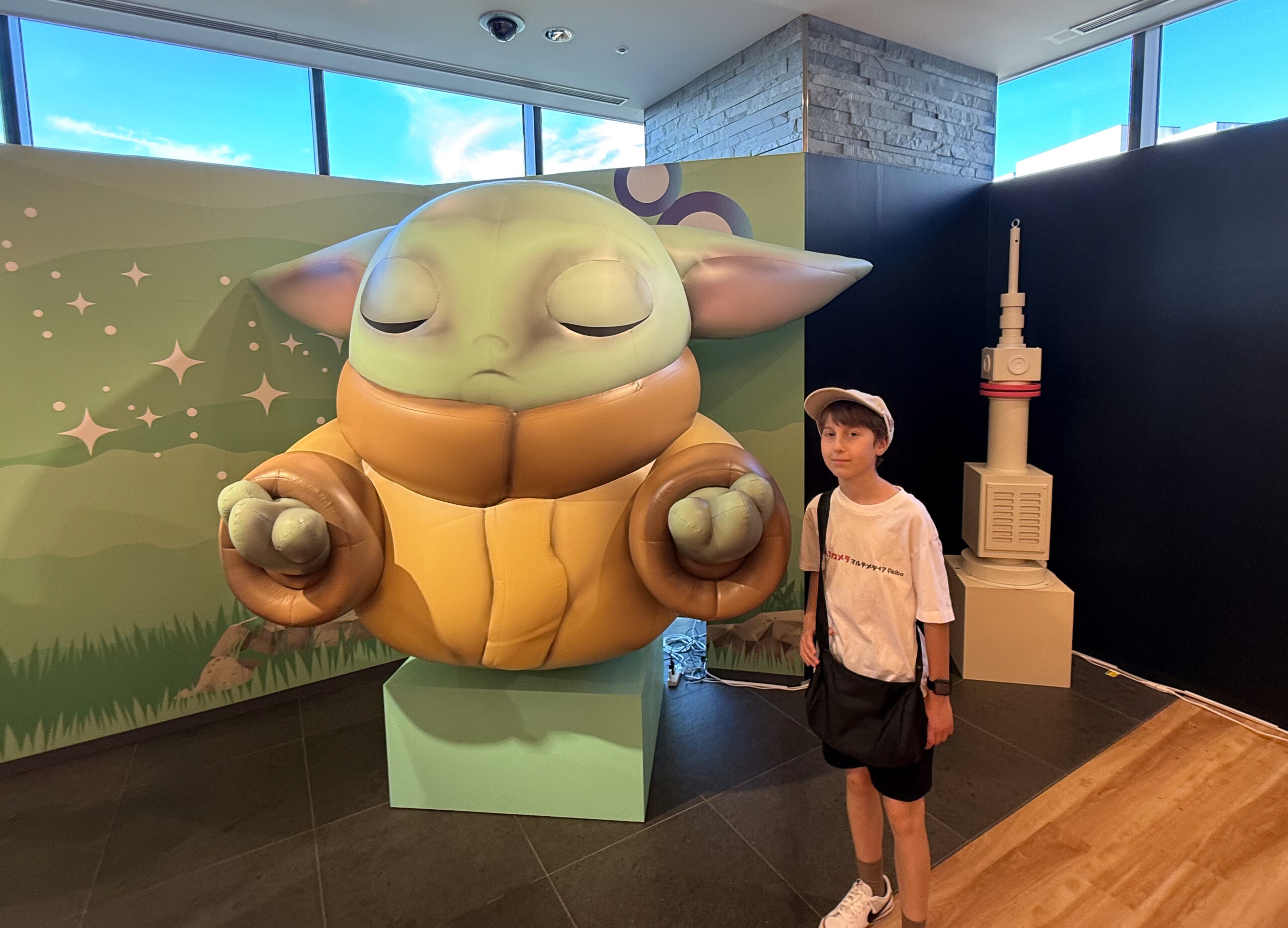
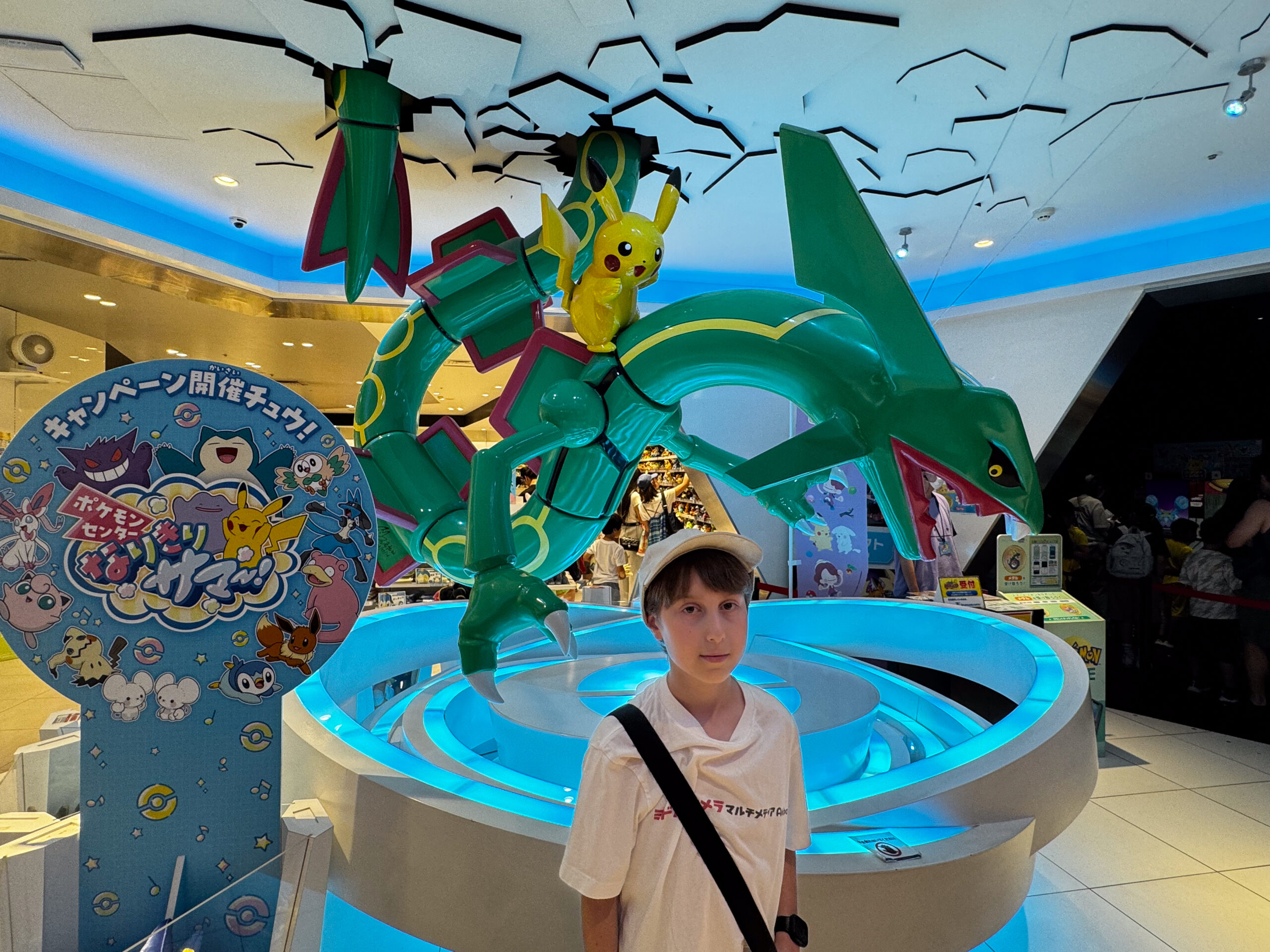
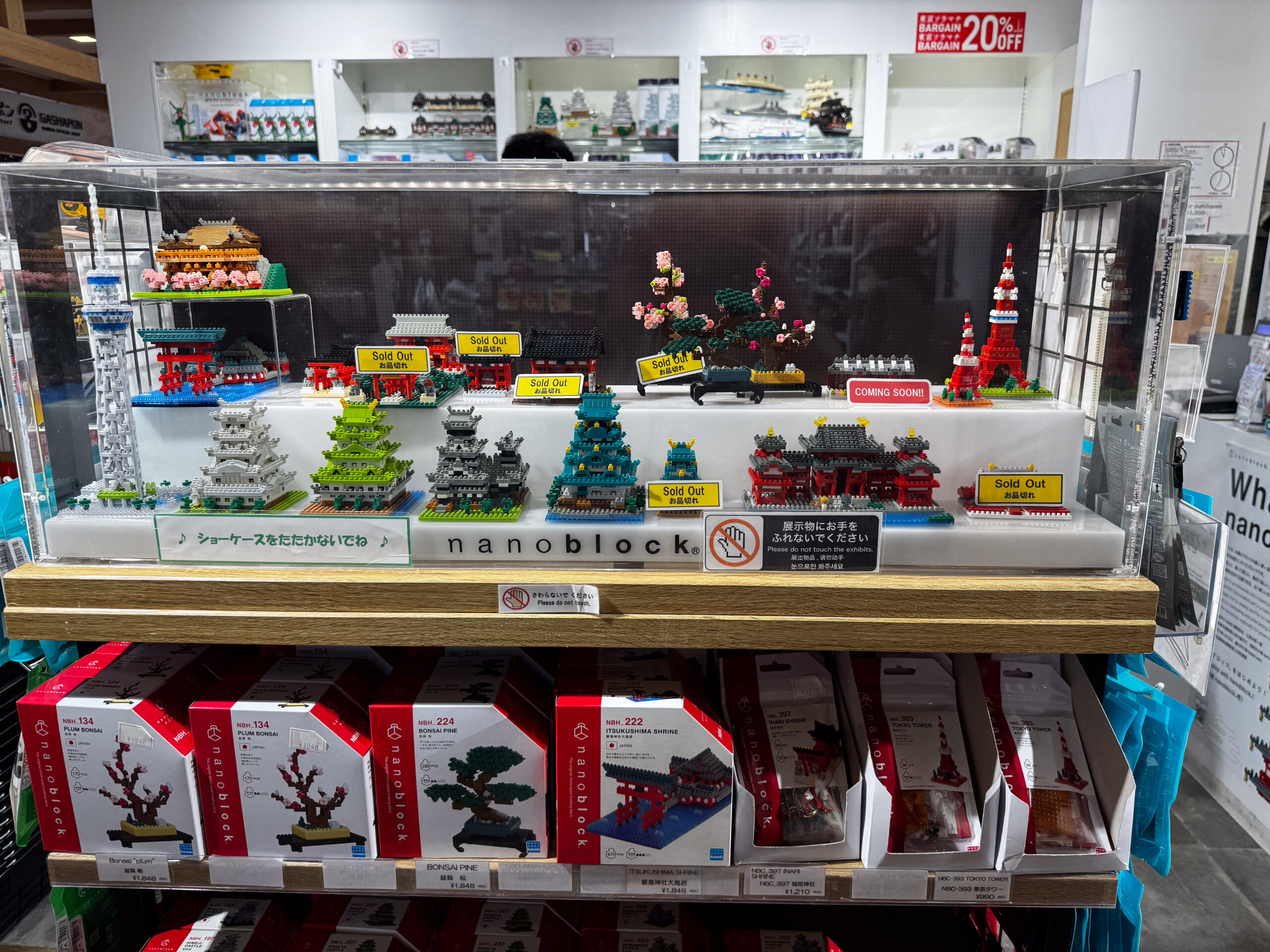
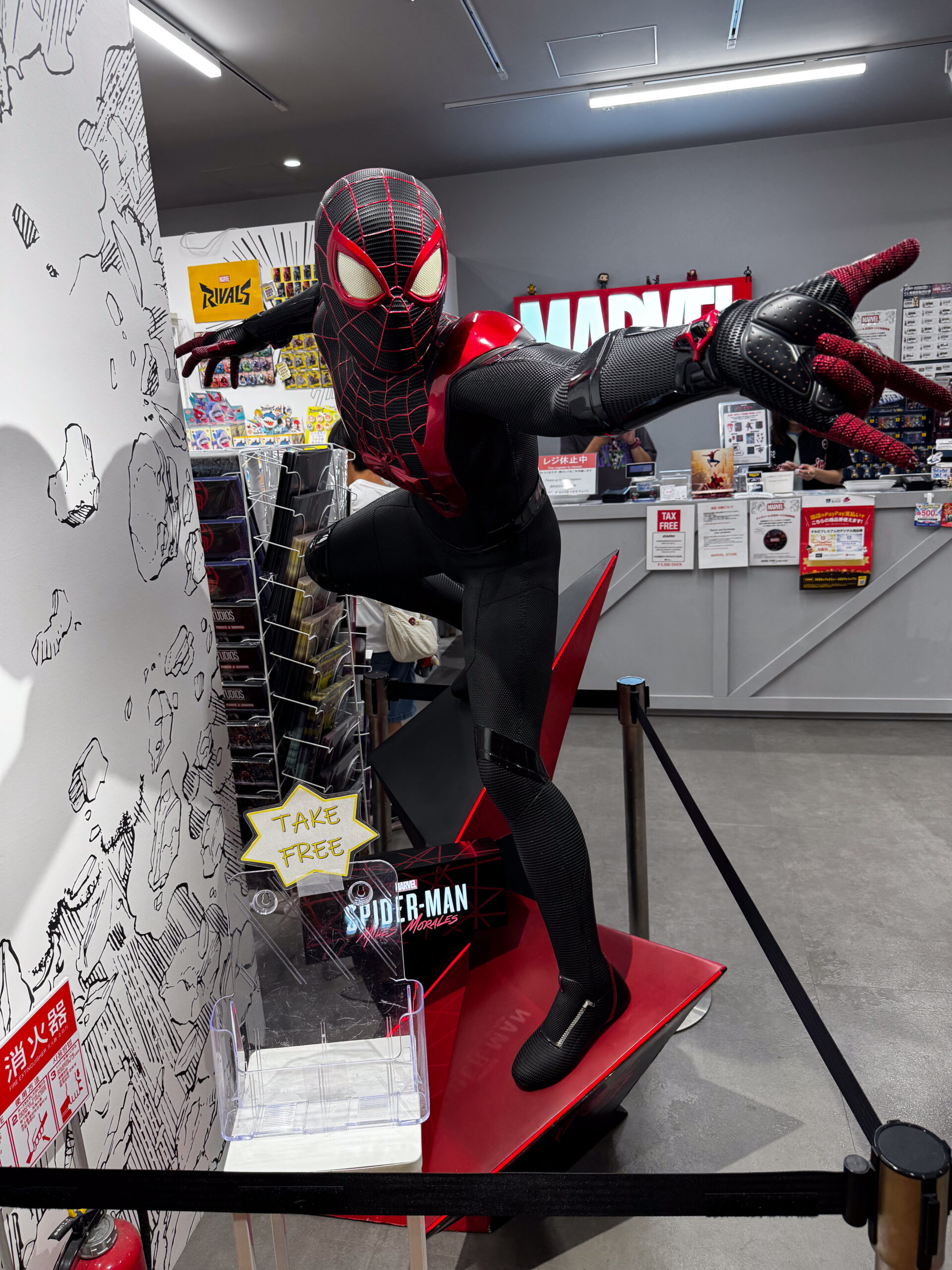
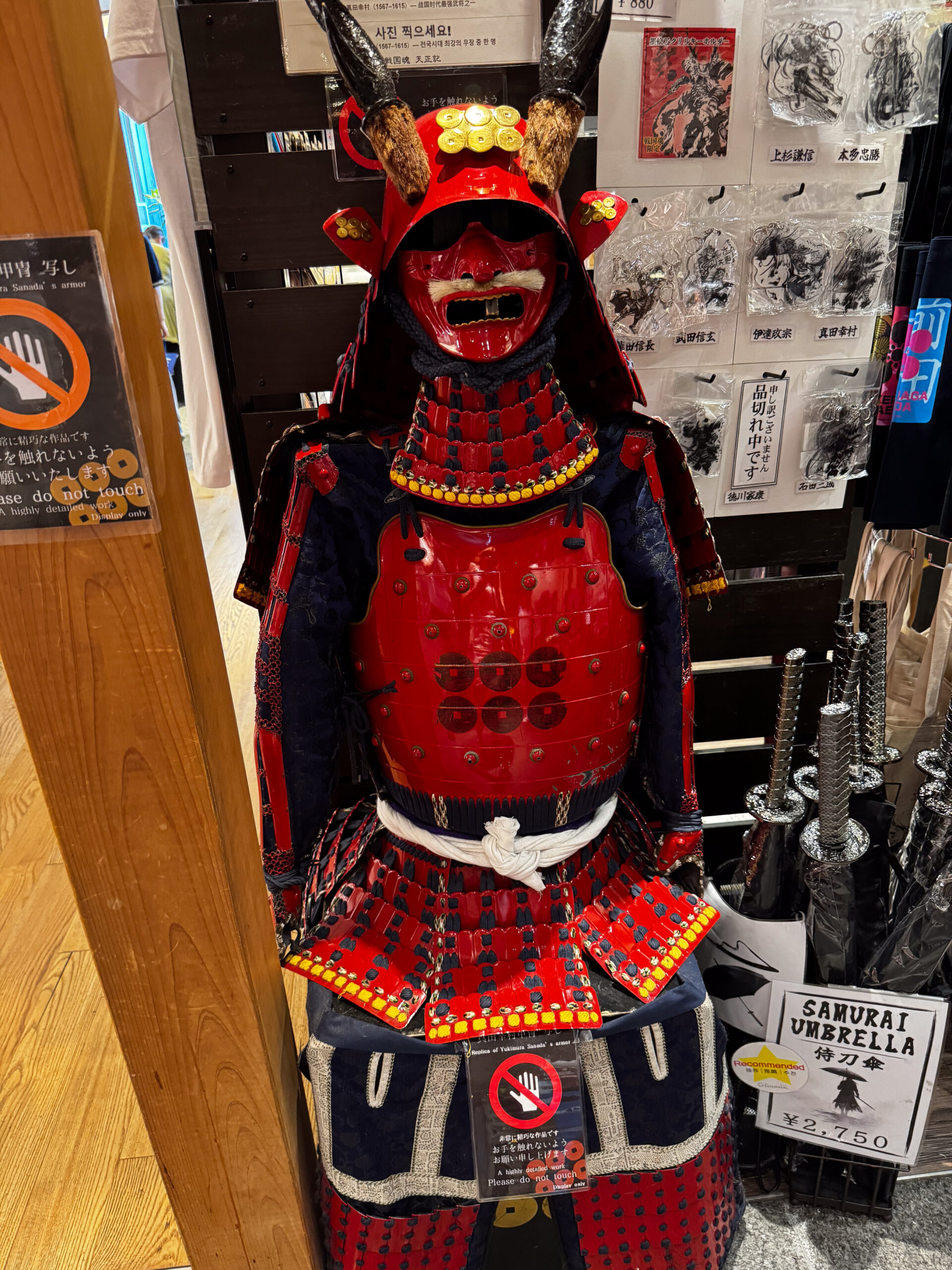
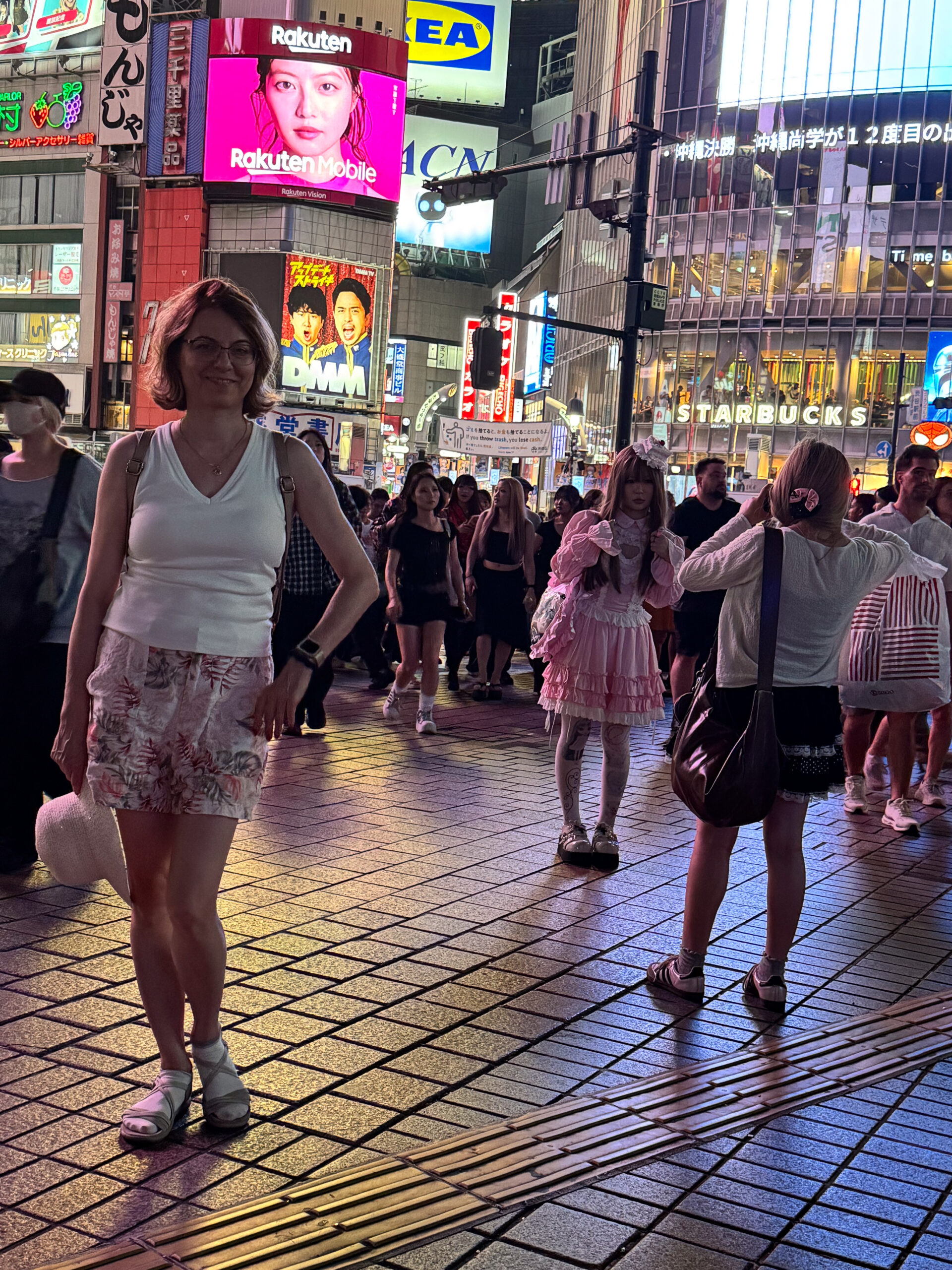
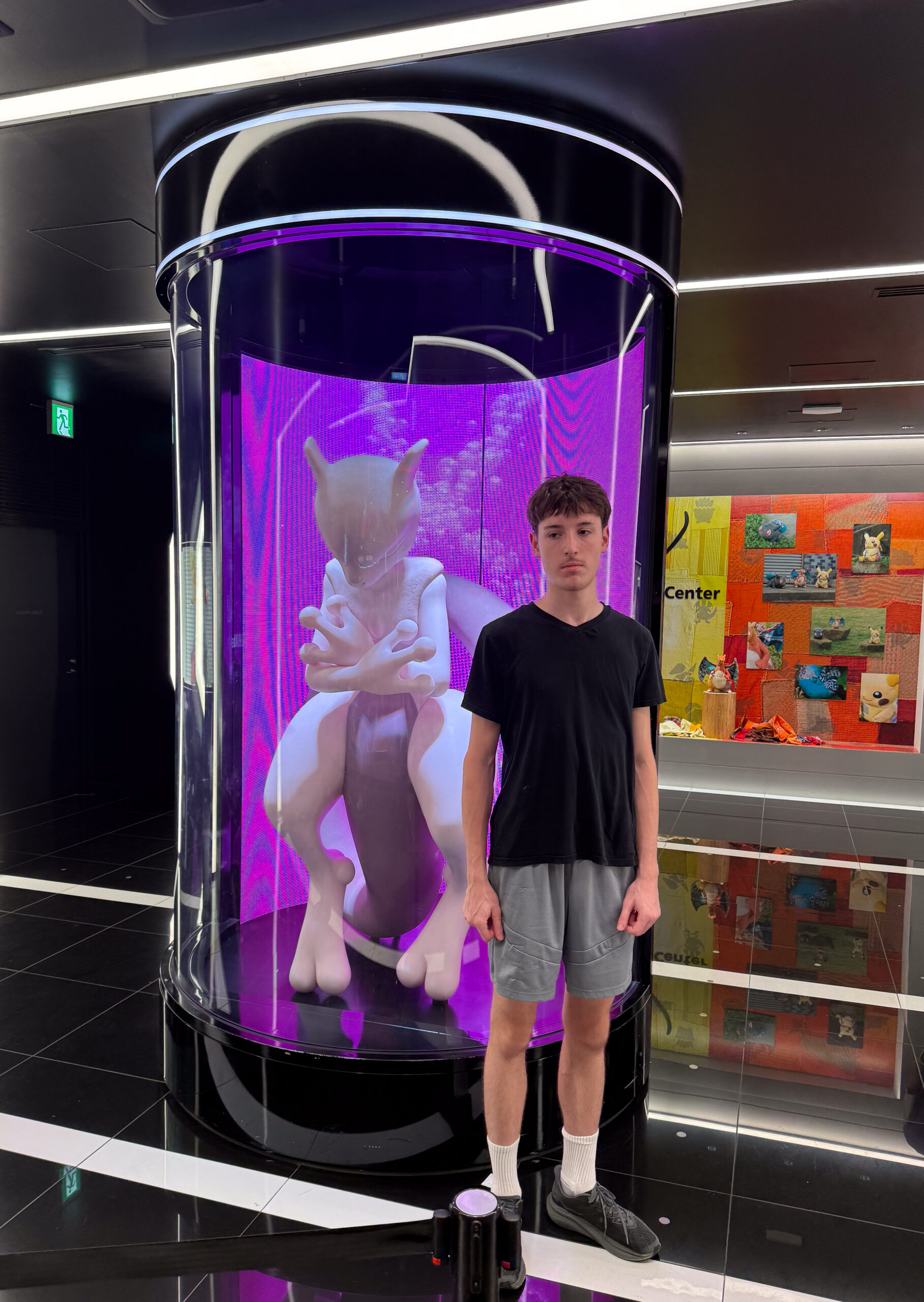
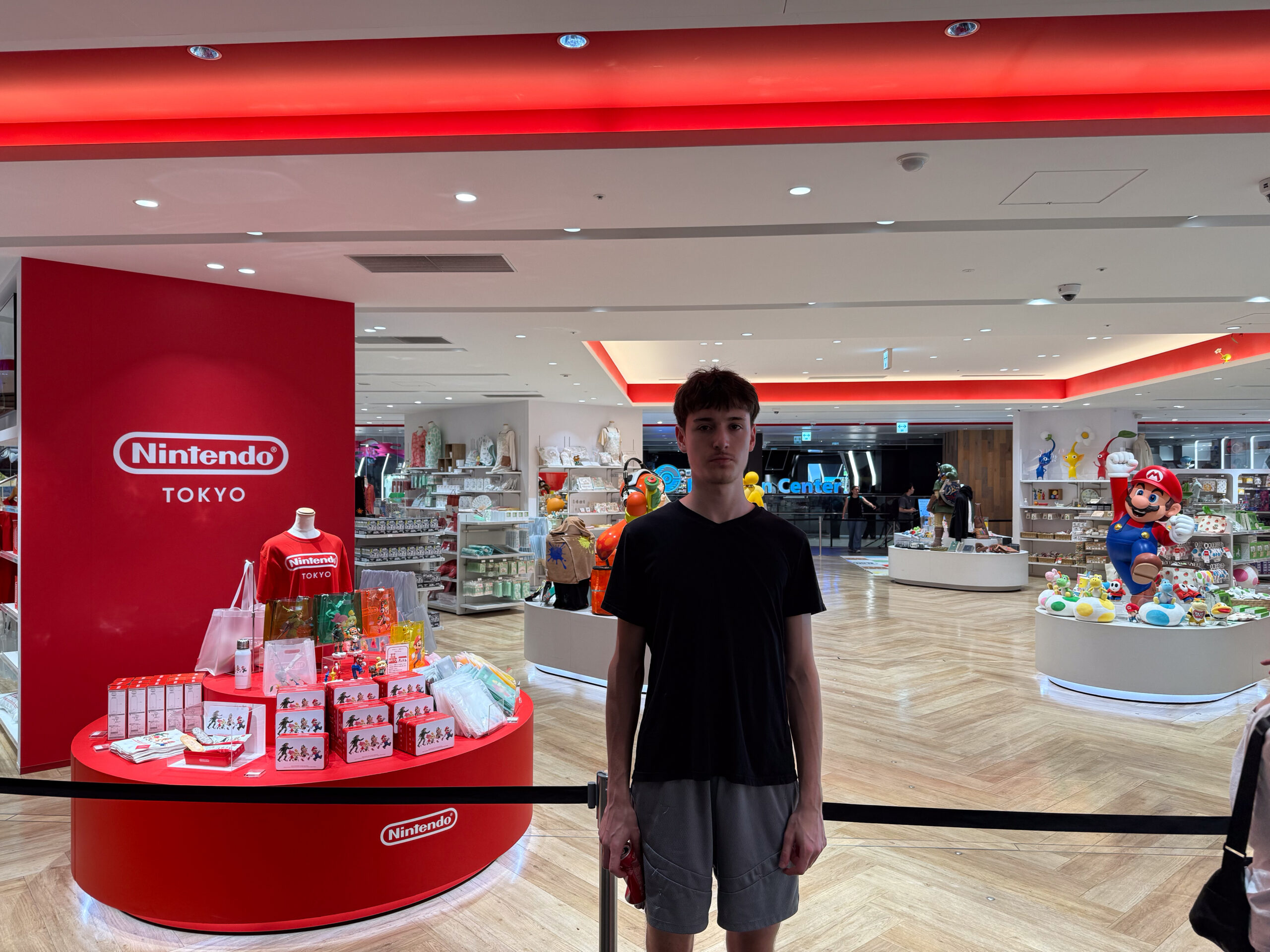
We found another paradise for anime and gaming fans on the sixth floor of Shibuya PARCO, home to a huge Pokémon Center, the Nintendo Store, and larger-than-life characters everywhere. Alex desperately wanted to go, but after lingering over omurice at a tiny restaurant one evening, we arrived at Shibuya Station with only about 30 minutes left before the floor closed at 9 p.m. Google Maps claimed PARCO was about a 10-minute walk away. In Shibuya, apparently, “10 minutes” is more of a philosophical concept.
Between construction, enormous crowds, underground passages, escalators, tiny streets, and at least one or two trips across Shibuya Crossing, getting there became another Tokyo navigation quest. Alex somehow led the way while I told Andrew to think of it as our evening fitness program. We raced up and down escalators, through tunnels and across streets—and finally reached PARCO at exactly 9 p.m., just as everything closed. Mission failed! But at least we managed to sneak in a few photos with Alex’s favorite characters before leaving. Sometimes in Tokyo, simply reaching your destination is the attraction.
Donki: Shopping in Japanese Lilliput
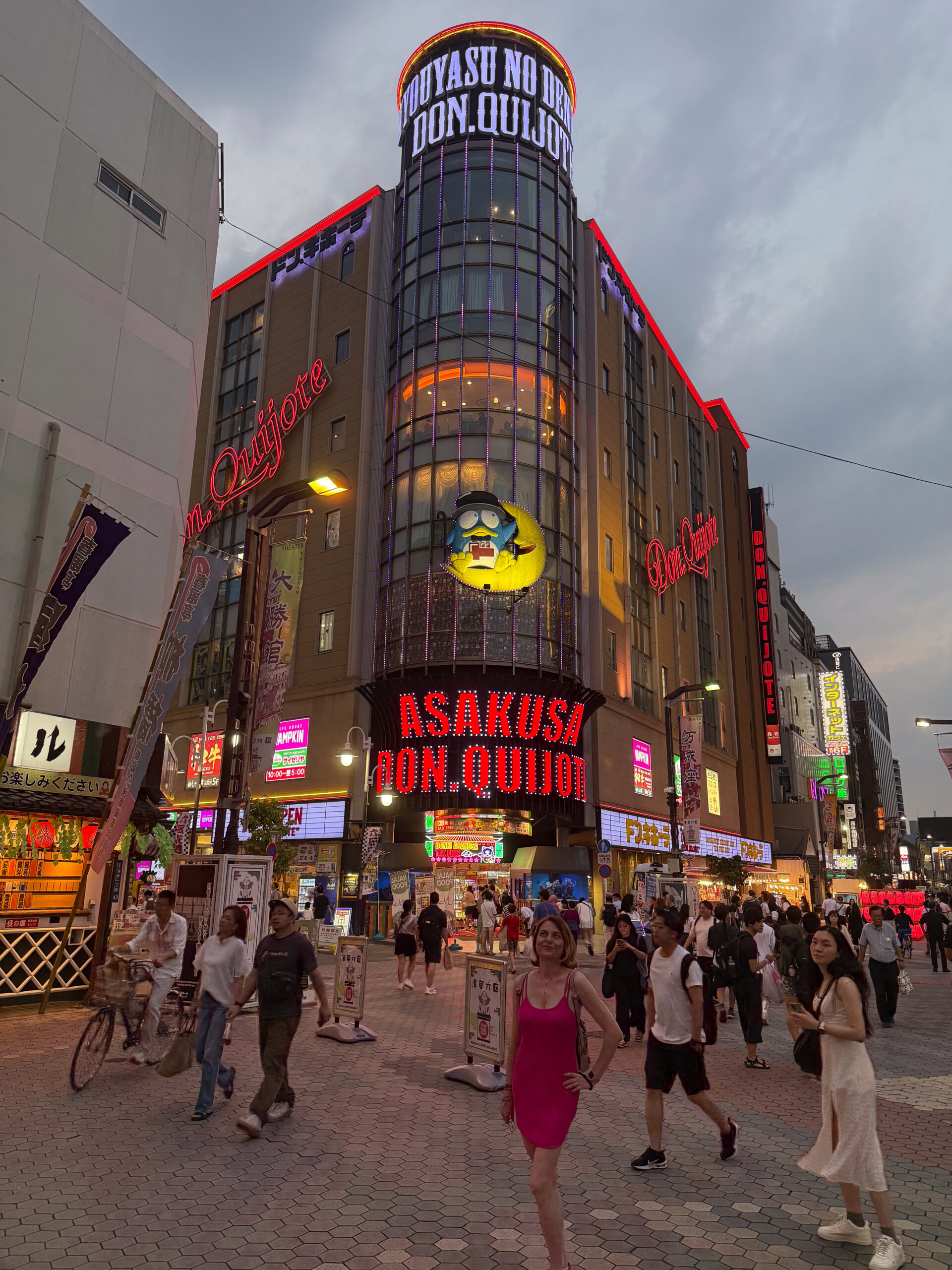
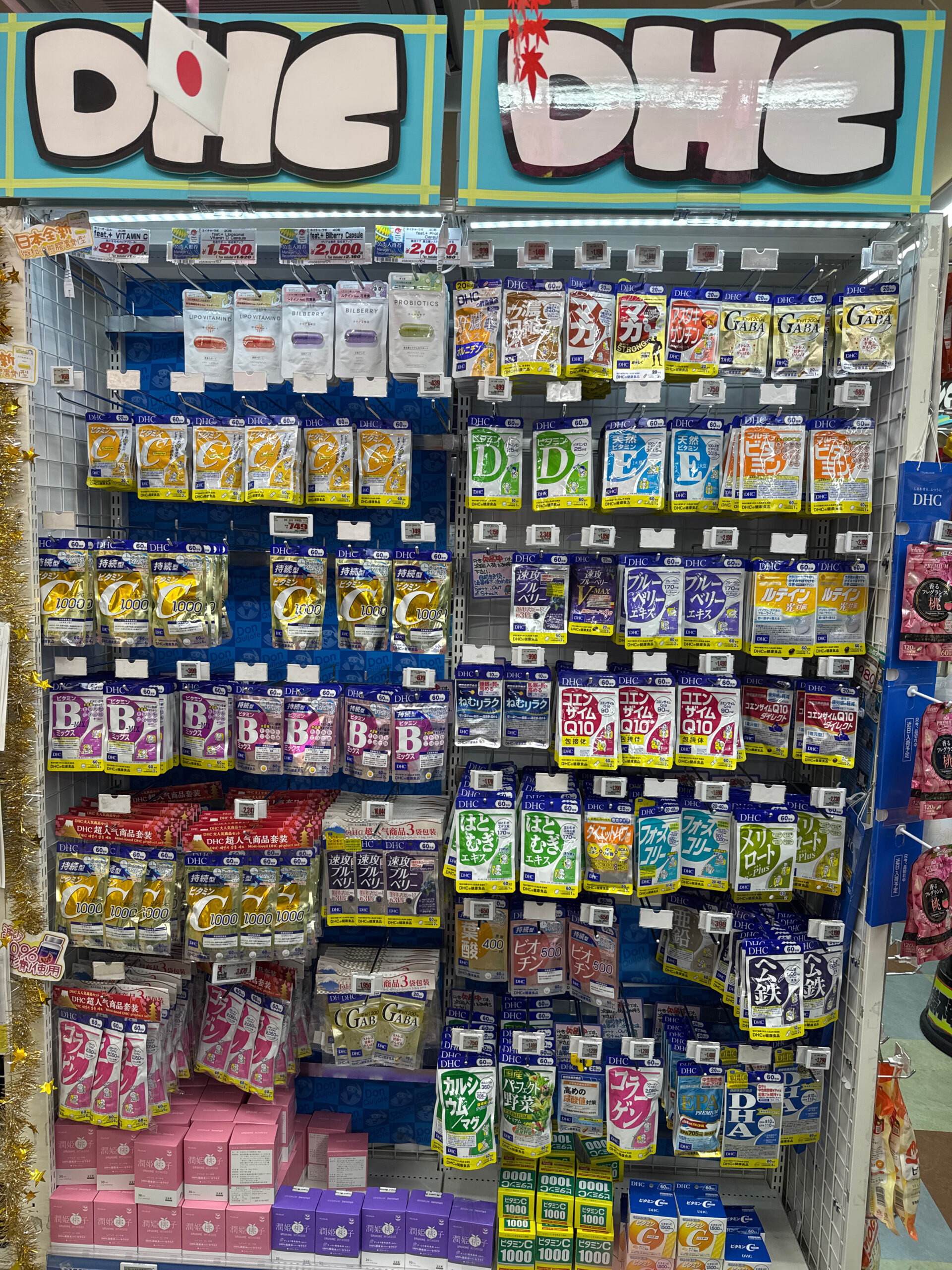
With only a few days left, it was finally time for our massive souvenir-shopping expedition at Don Quijote—or “Donki,” as everyone calls it. Imagine a discount department store, pharmacy, souvenir shop, beauty store, grocery store, and general explosion of Japanese consumer culture, all squeezed into one chaotic, multi-level labyrinth. You can find almost anything there, and somehow every aisle convinces you that you desperately need something you had never heard of five minutes ago.
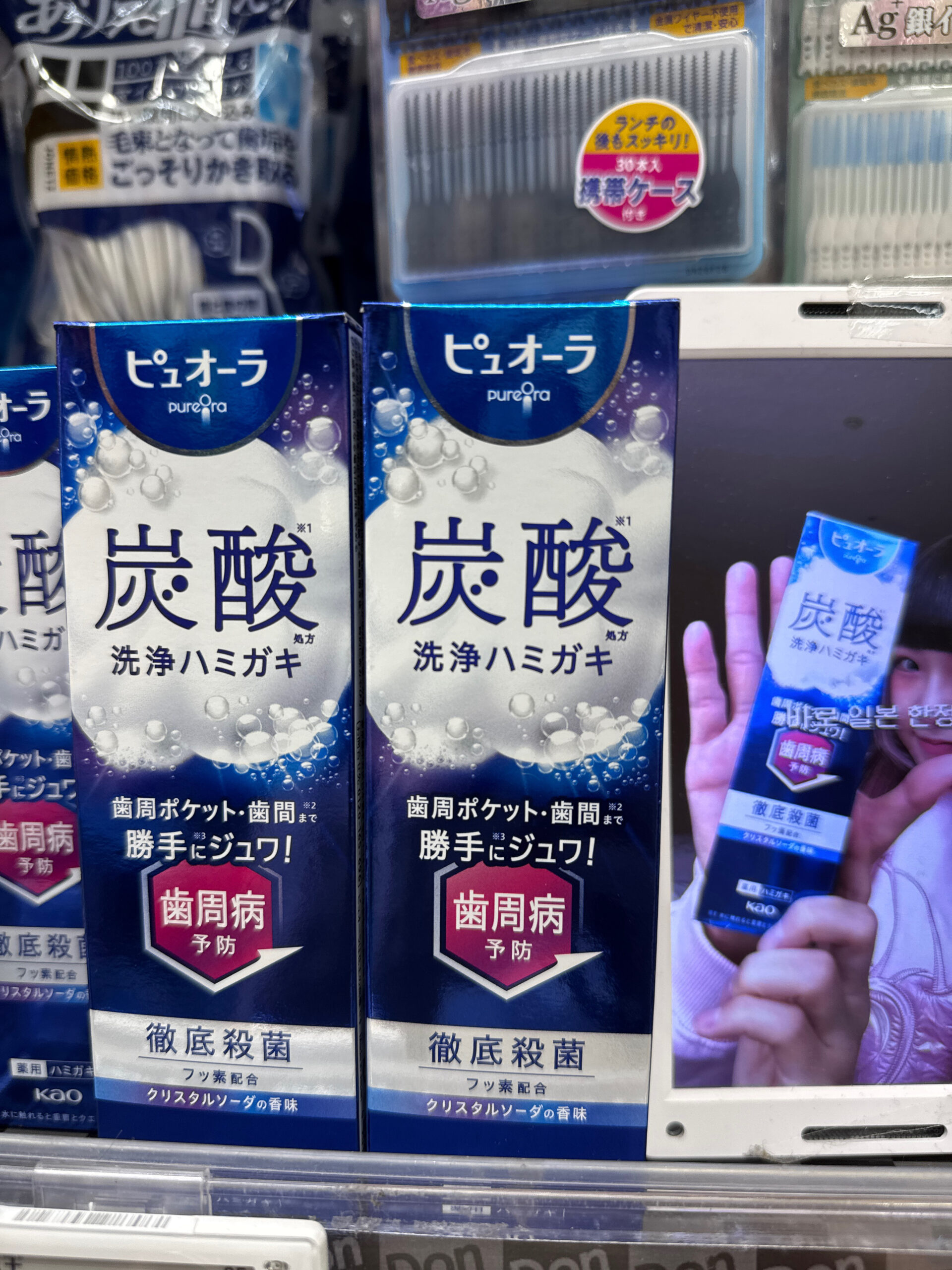
To me, Donki felt like a Japanese Walmart transported into Lilliput from *Gulliver’s Travels*. There seems to be a Walmart-sized variety of products packed into a fraction of the space. Even the advertising is miniature: tiny screens sit right on the shelves, playing tiny Japanese commercials demonstrating the products beside them. I had never seen anything like it.
And the beauty aisles are a universe of their own. Japan seems to have invented a product for every beauty problem imaginable—and quite a few problems I had never imagined existed. There are endless varieties of sunscreens, hair masks, acne treatments for every possible skin type, powders you apparently put on your face before bed, and even tiny keychain-sized gels for keeping your bangs perfectly in place. I stocked up on sunscreens and hair products, along with matcha chocolates, desserts, and all kinds of little discoveries I suddenly couldn’t live without.
At one point, I picked up a face mask I remembered seeing recommended on social media. A saleswoman spotted me and immediately became very concerned. “No, no, no!” Apparently, I had chosen a mask intended for younger skin and morning use. She took it away and showed me the mask she was absolutely convinced was right for me—which, coincidentally, cost about five times more. She looked so genuinely worried about my skincare choices that I almost felt irresponsible for having selected the first one. Needless to say, my suitcase was considerably heavier on the way home.
Shinjuku: The Human Tsunami, City Lights, and the Giant 3D Cat
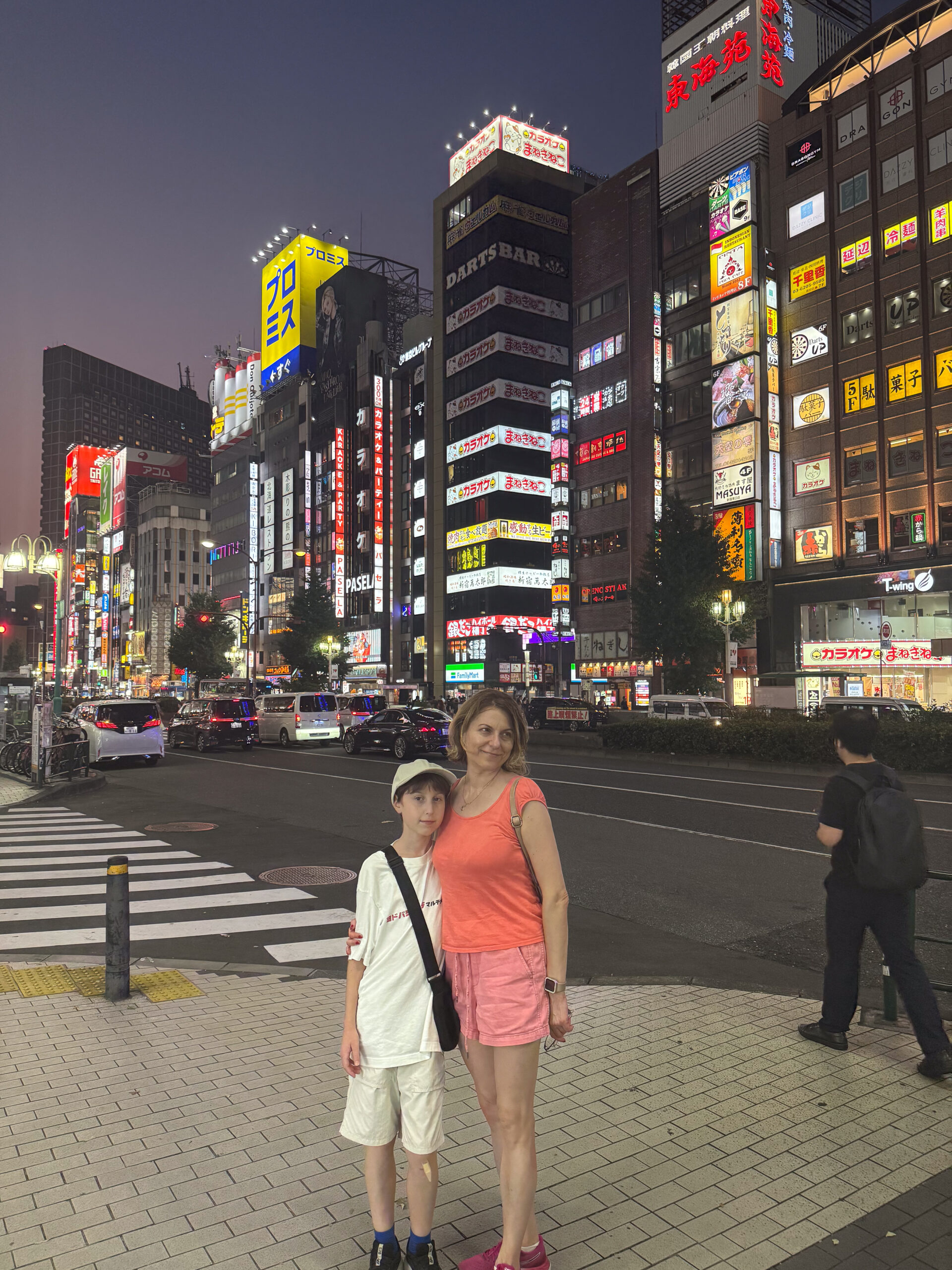
Almost at the end of our trip, the epicenter of the commuter anthill called our names once again: Shinjuku Station. We had already passed through it earlier to catch the Fuji Excursion train to Lake Kawaguchiko. Shinjuku holds the Guinness World Record as the world’s busiest railway station, and once you’ve been inside, that is very easy to believe.
Here is a fun detail I have to add: every time a train arrives at many stations, you hear a cheerful little melody. Honestly, some of them reminded me of the joyful music slot machines play in a casino when you hit the jackpot. After surviving the labyrinth of Tokyo transit, hearing that little jingle really did feel like a reward for successfully completing another navigation quest.
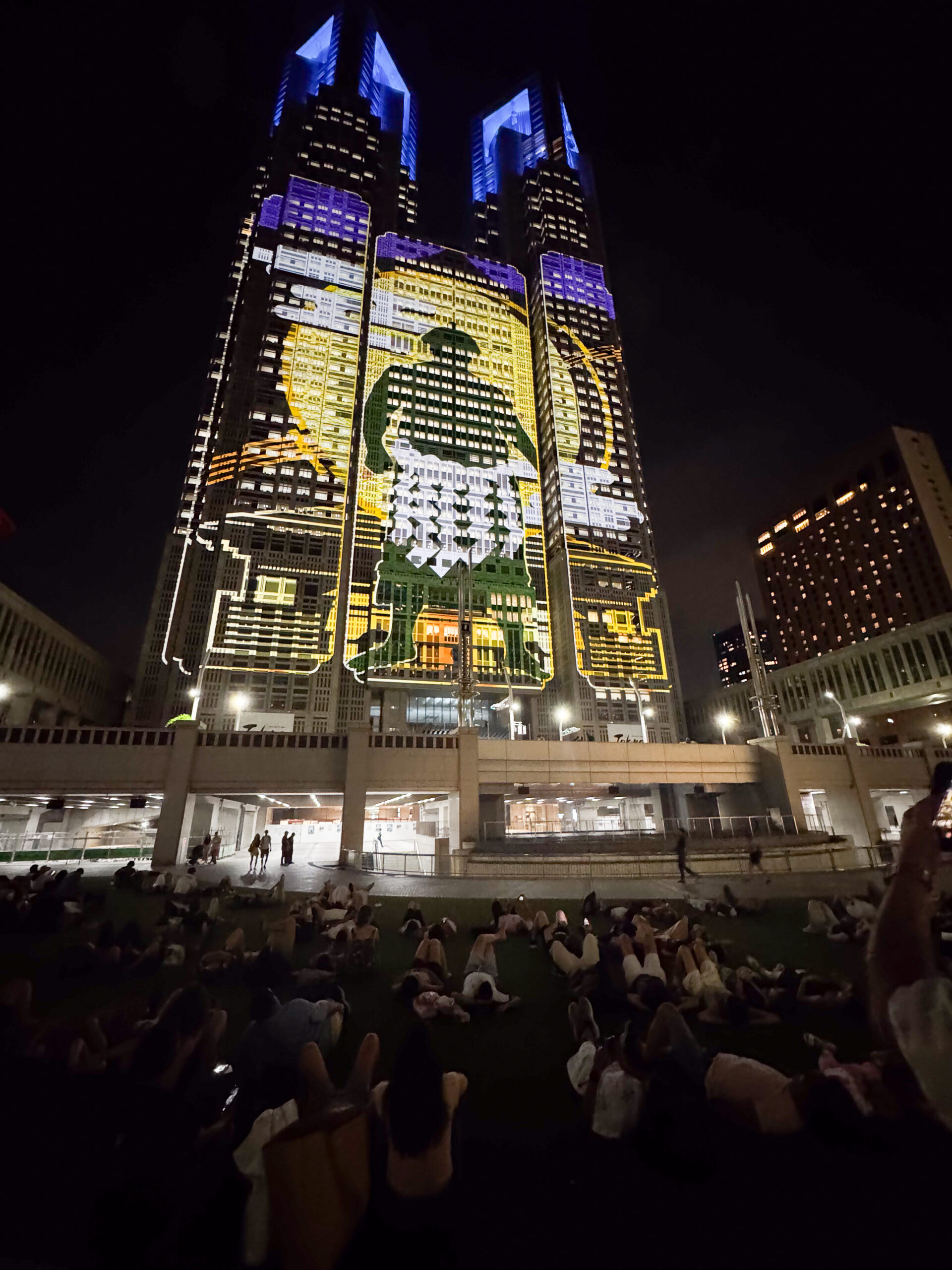
We headed back to Shinjuku to watch the “TOKYO Night & Light” show at the Tokyo Metropolitan Government Building. During the day it is a government building where bureaucrats work; at night it becomes a tourist attraction. We stood in line for about half an hour to go up to the free observation deck on the 45th floor, which offered an incredible view over the city.
But the main action was happening below. People were lying right on special green mats to watch a huge projection-mapping show across the building’s facade. It holds a Guinness World Record for the largest permanent architectural projection display. The scale was incredible, and seeing an ordinary government building transformed into a giant moving screen felt very, very Tokyo.
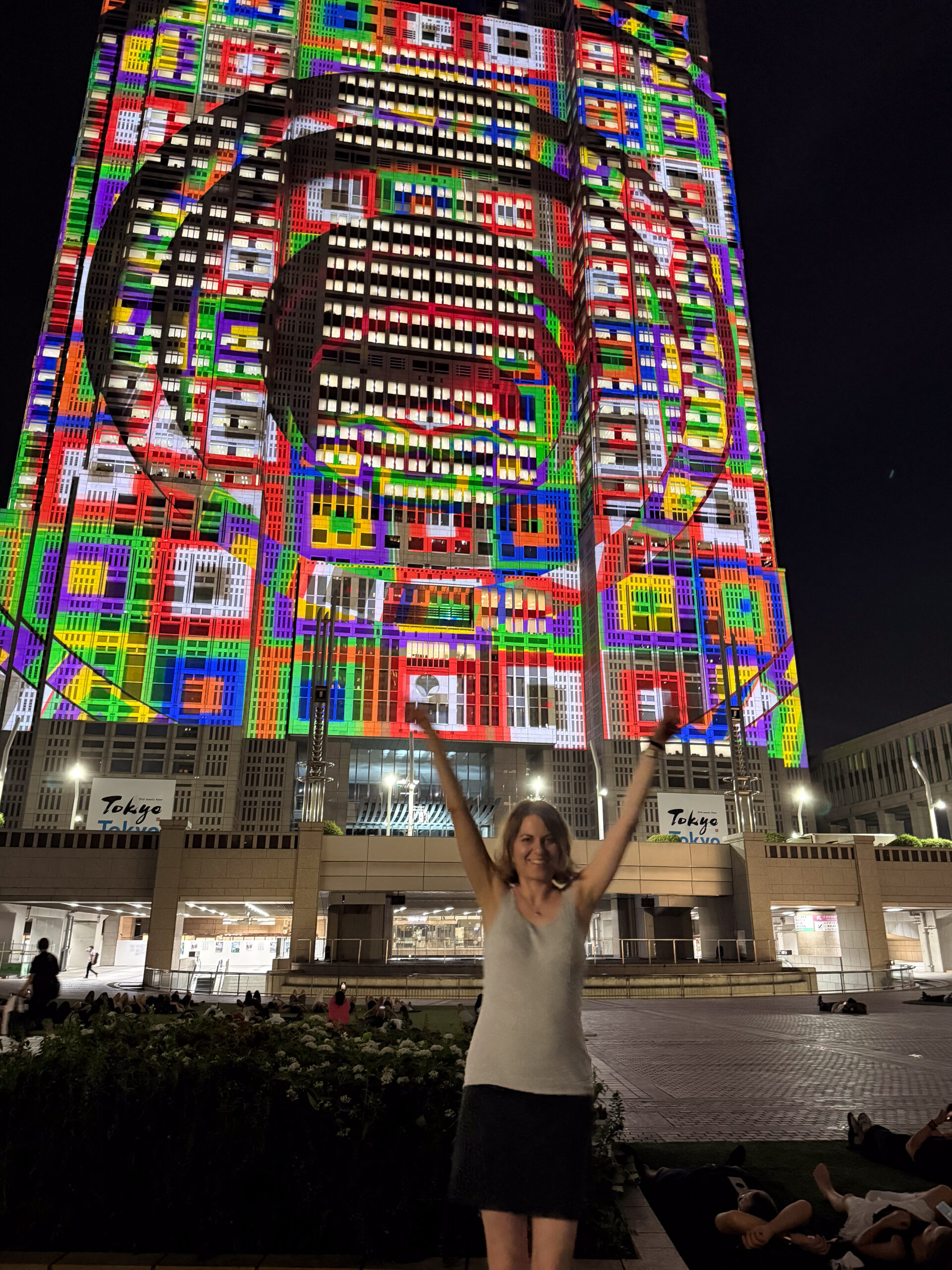
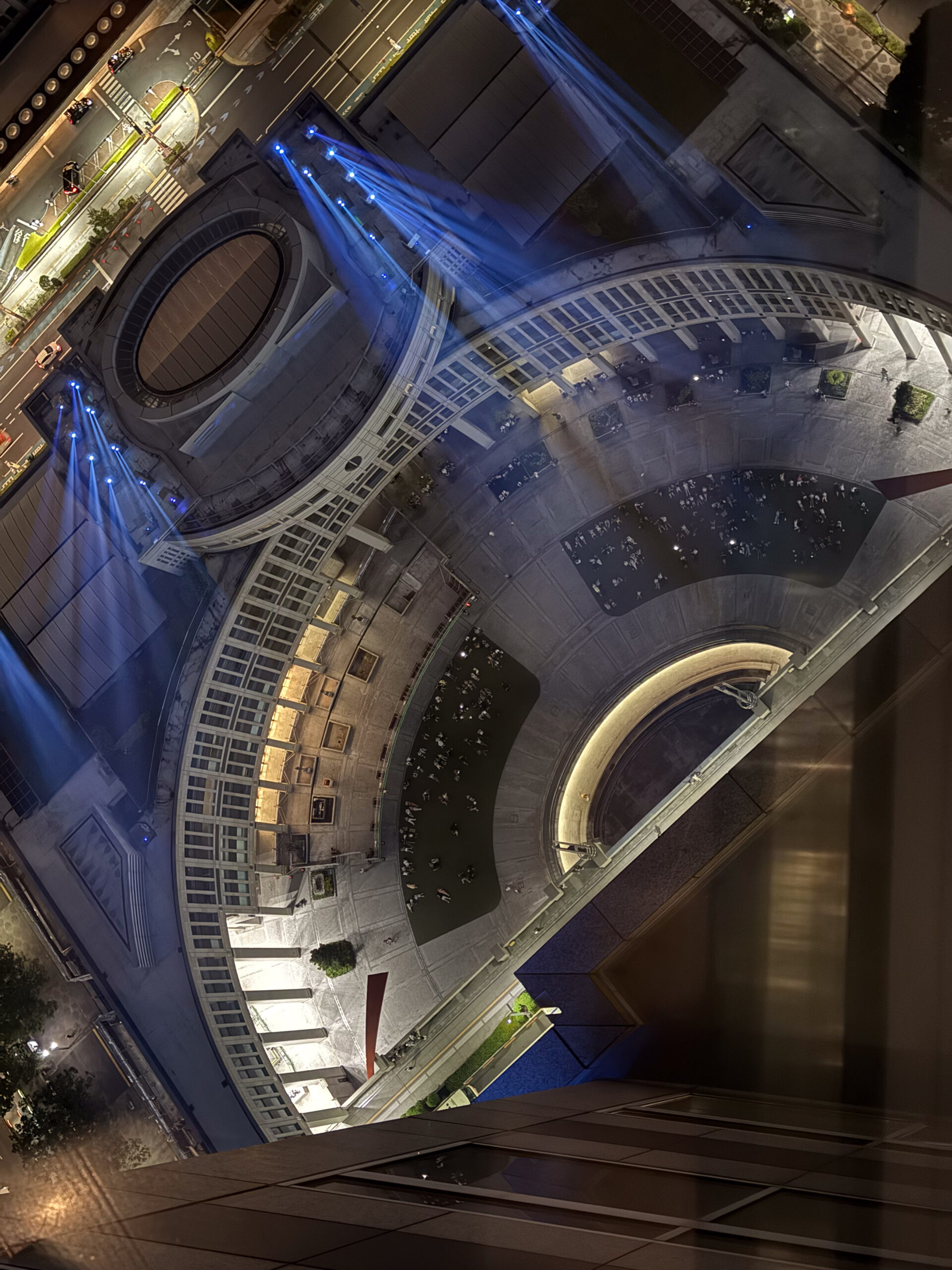
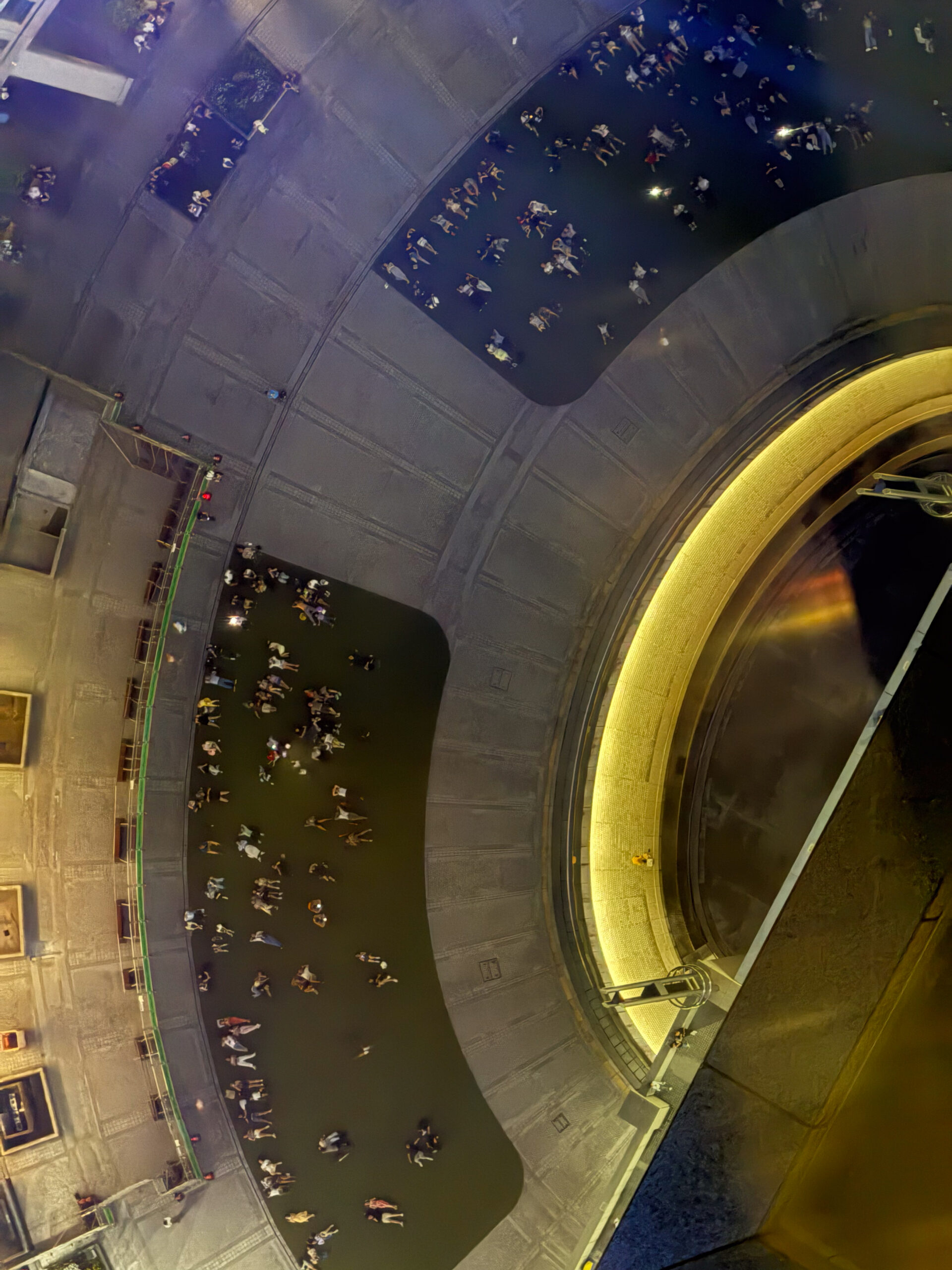
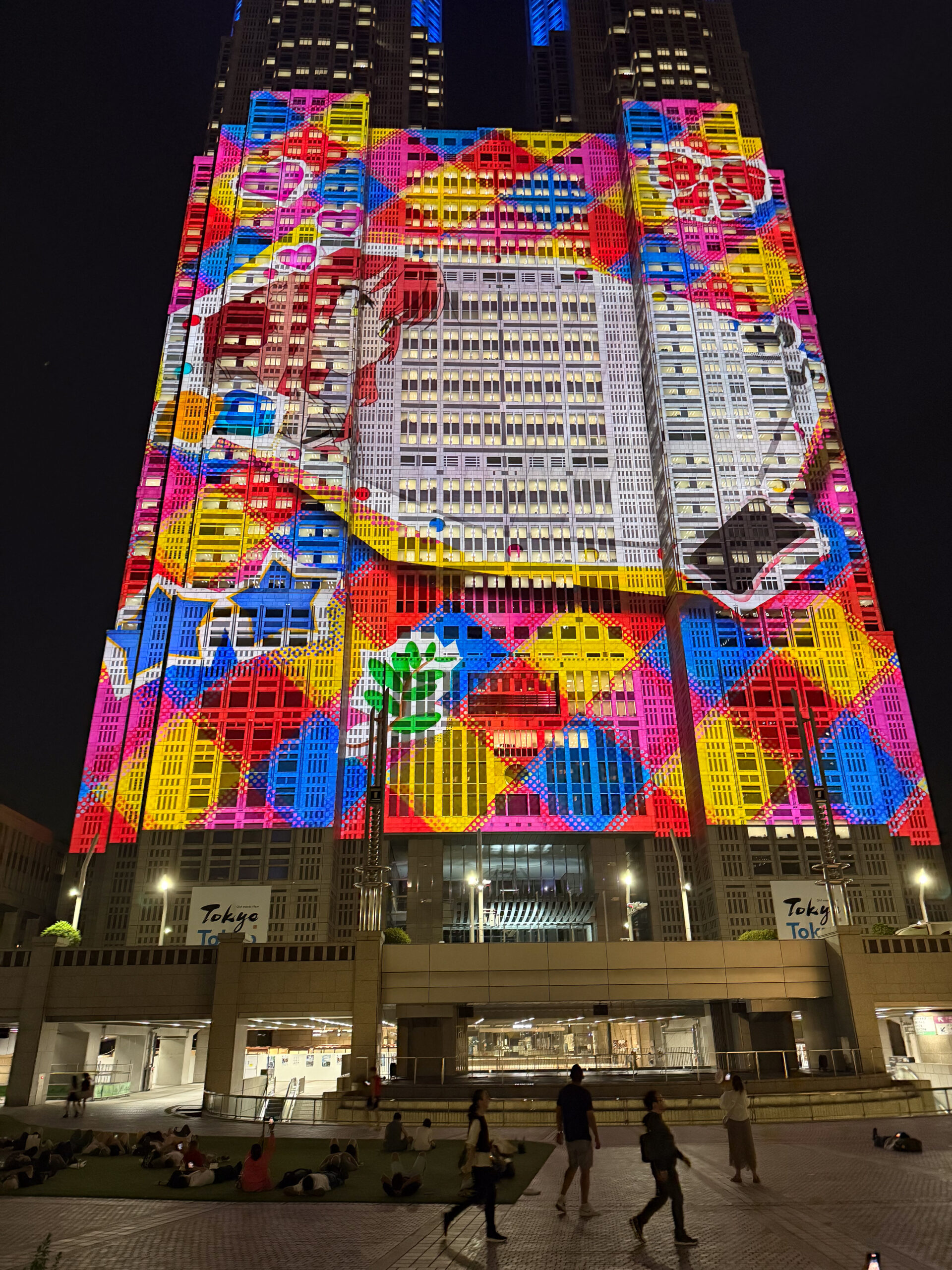
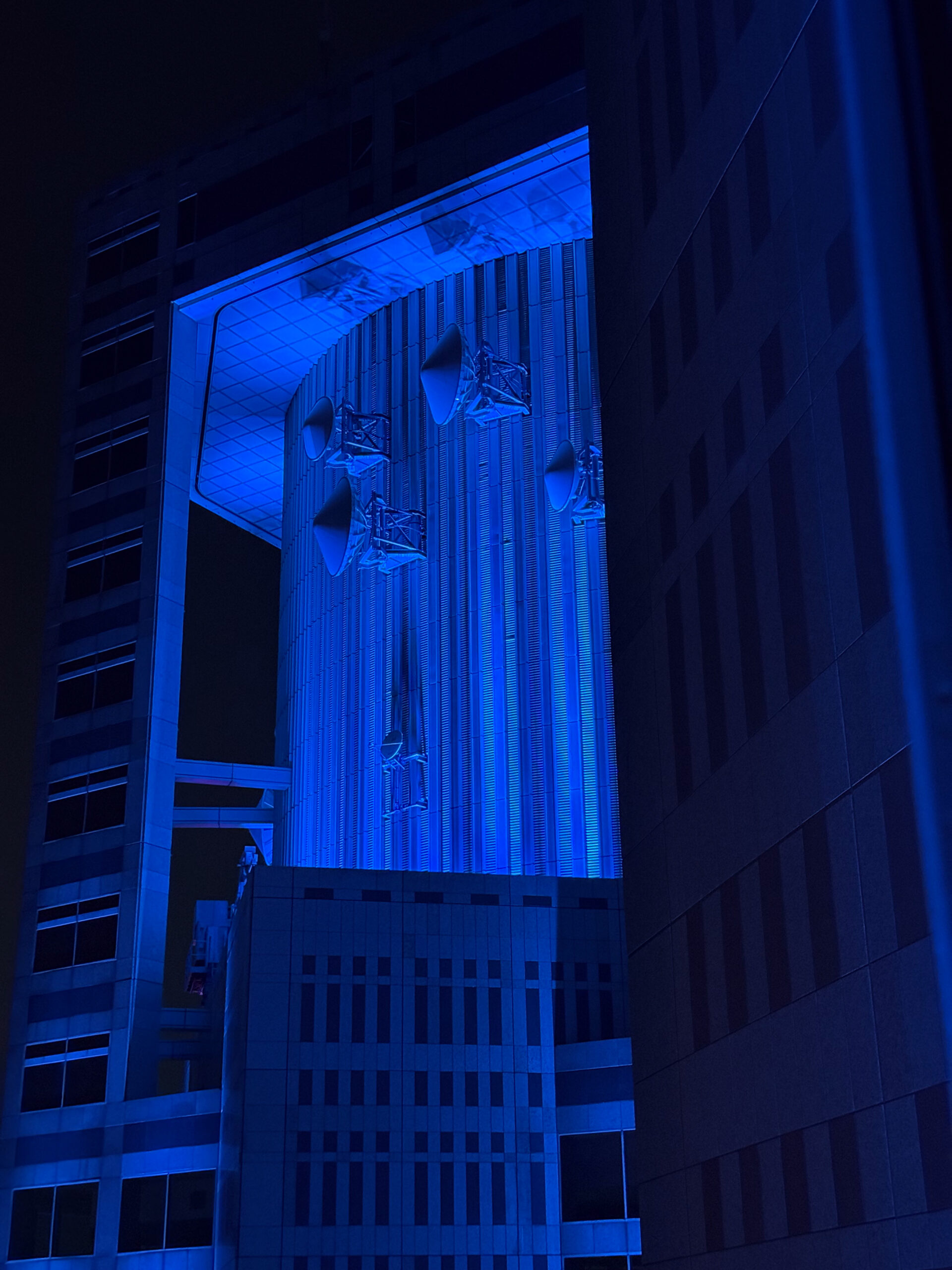
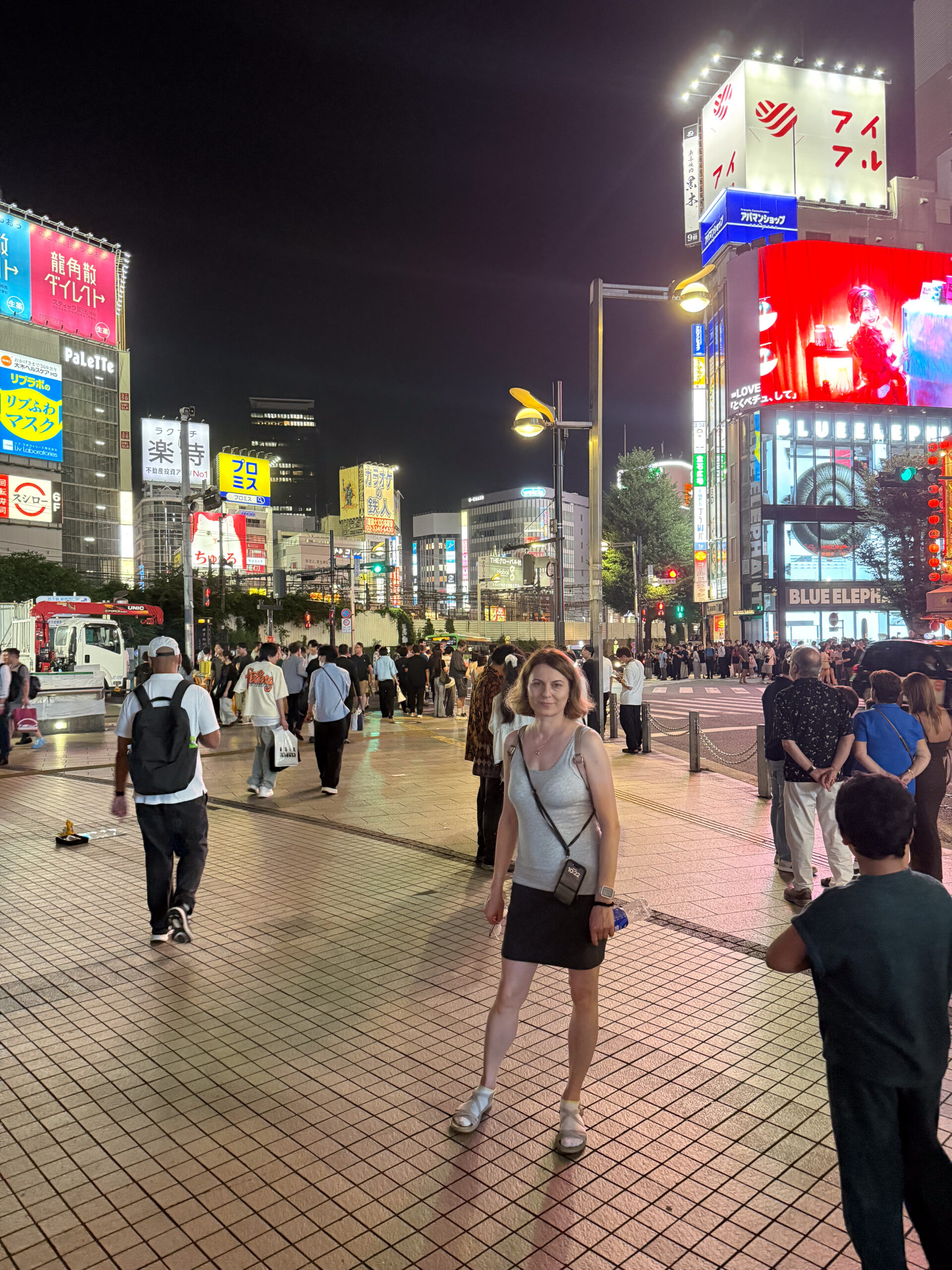
After the show, we headed toward the eastern side of Shinjuku and had to cross the giant underground station again. We were hit by another human tsunami. The station was not only overcrowded but incredibly noisy, full of young people talking and laughing.
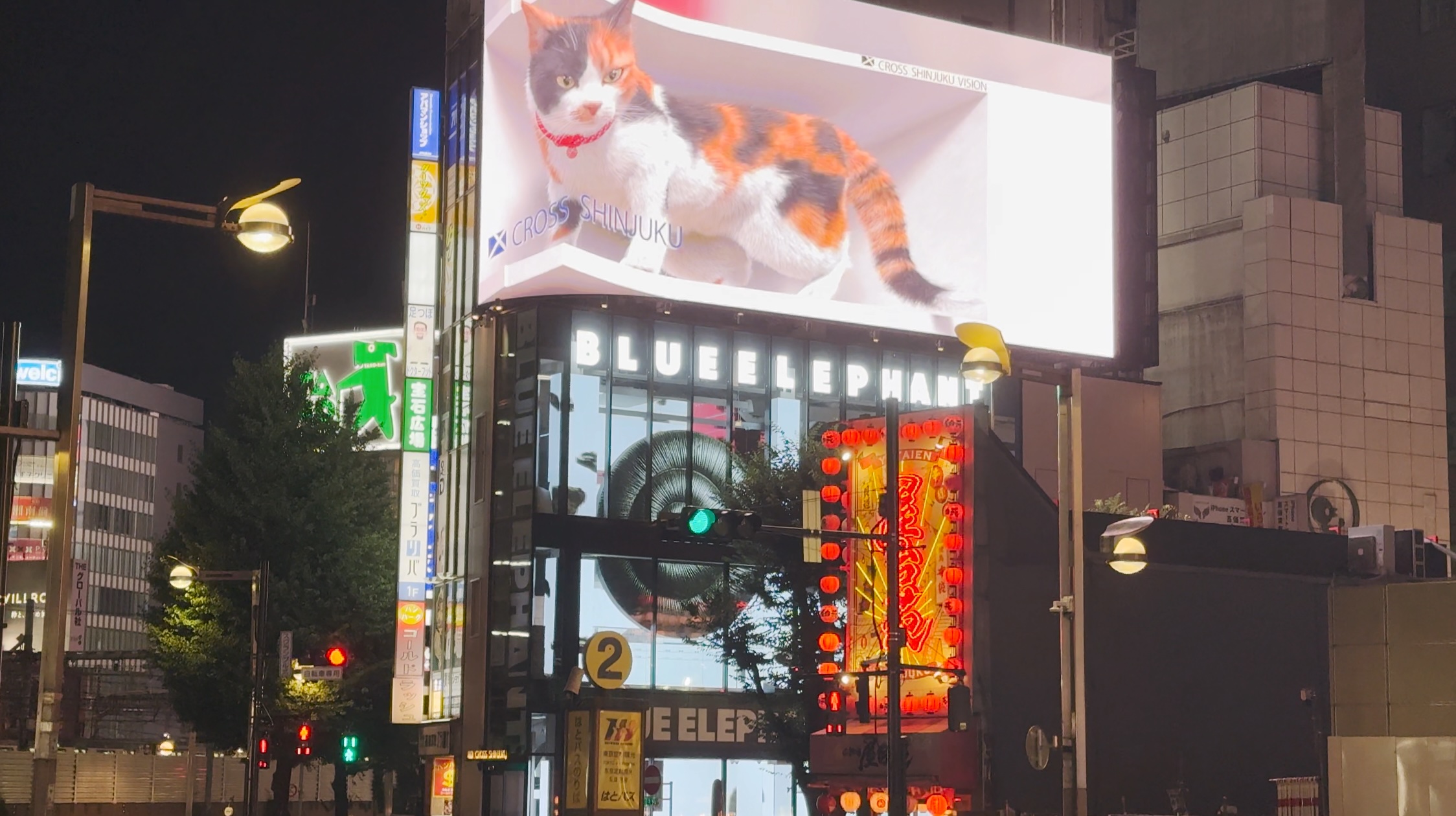
We somehow found the right exit, stepped outside—and immediately lost our bearings again, even though we were only steps away from the famous Cross Shinjuku Vision billboard.
Some local young guys approached us and asked us to take a picture of them. I snapped the photo and asked if they knew where the 3D billboard was. They hesitated and asked, “Where are you from?” “Canada,” we said. They got excited. “Canada! Vancouver?” “No, Toronto.”
And that was about as far as our shared vocabulary went. This happened to us quite a few times in Japan: people genuinely wanted to help, but communicating in English could be difficult, and asking for directions sometimes left us even more confused. Google Translate became indispensable, especially its camera function for signs and menus.
Thanks to Apple Maps, we finally found the giant 3D cat. It really is amazing—it looks like it is about to jump right down into the street. I was so curious about the cost of advertising there that I looked it up later. Even relatively small packages cost serious money, while major campaigns on Japan’s premium 3D screens can run into millions of yen. Truly a golden cat.
Reflections on Summer Travel in Japan
I am writing this two weeks after we returned from our trip. Right now, Japan is dealing with massive rainfall, and some areas have experienced serious flooding. I’m very grateful to our travel agent, Irina, who recommended that we go in the last few weeks of July rather than later in the summer.
If you have to travel with teenagers and don’t want to go in the winter because they would miss school, summer may be your only realistic option. I would still choose July over August, but you absolutely have to be prepared for the heat. The smartest approach for us was mixing outdoor sightseeing with museums and other places with AC—and, of course, using amazing food as motivation to keep the teenagers happy and satisfied.
Japan was overwhelming, exhausting, sweltering, and confusing—and I wouldn’t change a single second of it.