Kamakura: Our Mini-Kyoto and the Pacific Downpour
Traveling with teenagers is a unique experience. While I know people pay thousands for guided group tours that hit every temple in Kyoto, that wasn’t going to work for us. Teens like to sleep in, and their favorite activity is hitting up convenience stores to buy mountains of food.
Sasha really wanted to go to Kyoto, but Gemini actually talked me out of it. If Tokyo was a hot pot, the humidity in Kyoto sounded like the fiery pits of hell. After all the subway chaos, we didn’t have the energy for another massive transit day in the heat. Instead, we took Gemini’s advice and went to Kamakura, which is often described as a mini-Kyoto right on the coast.
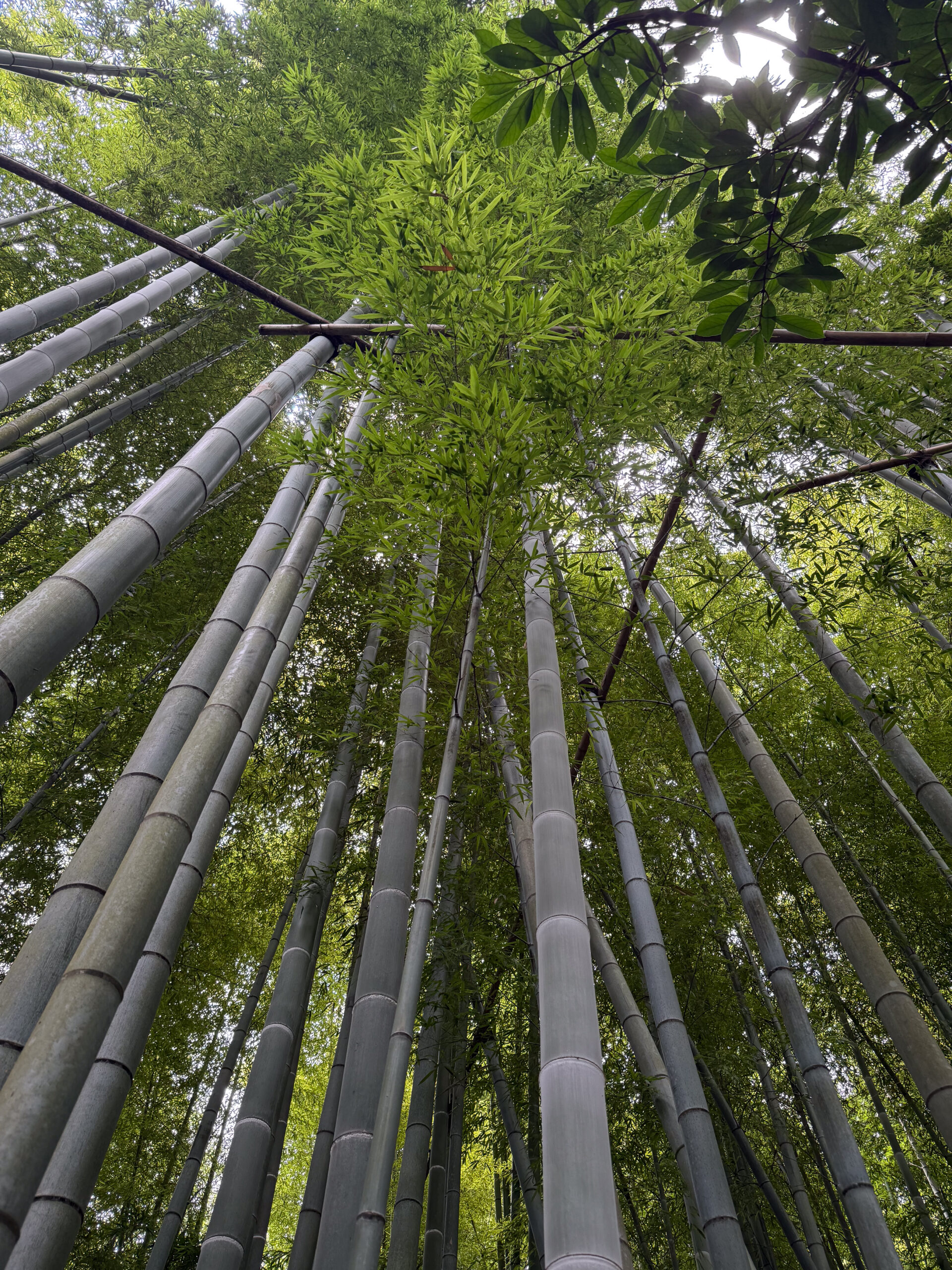
We visited a beautiful bamboo forest and took an Uber from Kamakura station to the Great Buddha. A quick note on Ubers in Japan: ours felt more like a luxury taxi. The driver wore a full suit and definitely did not rush. The app said he was arriving, but it took another 15 minutes of circling before he finally found us.
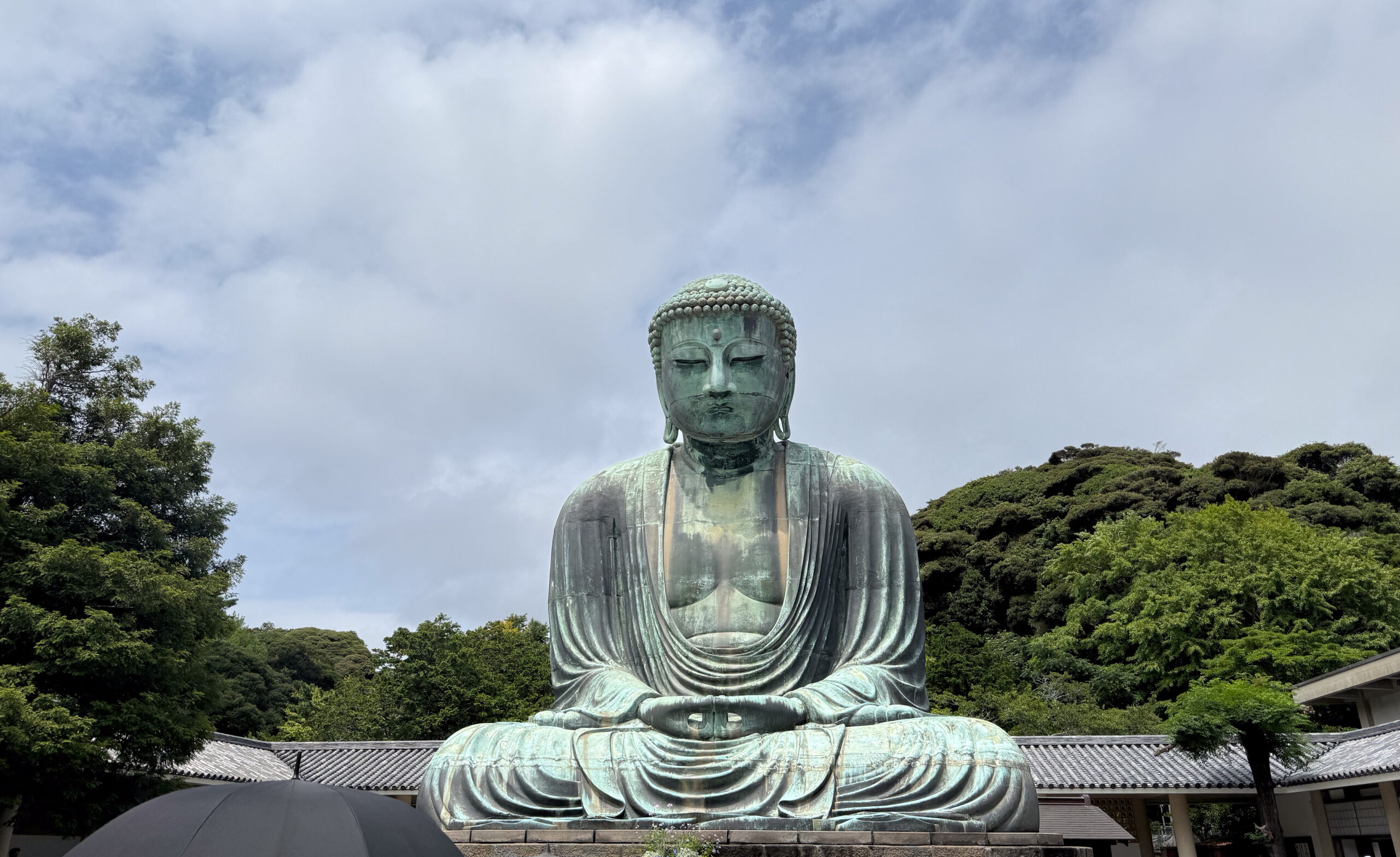
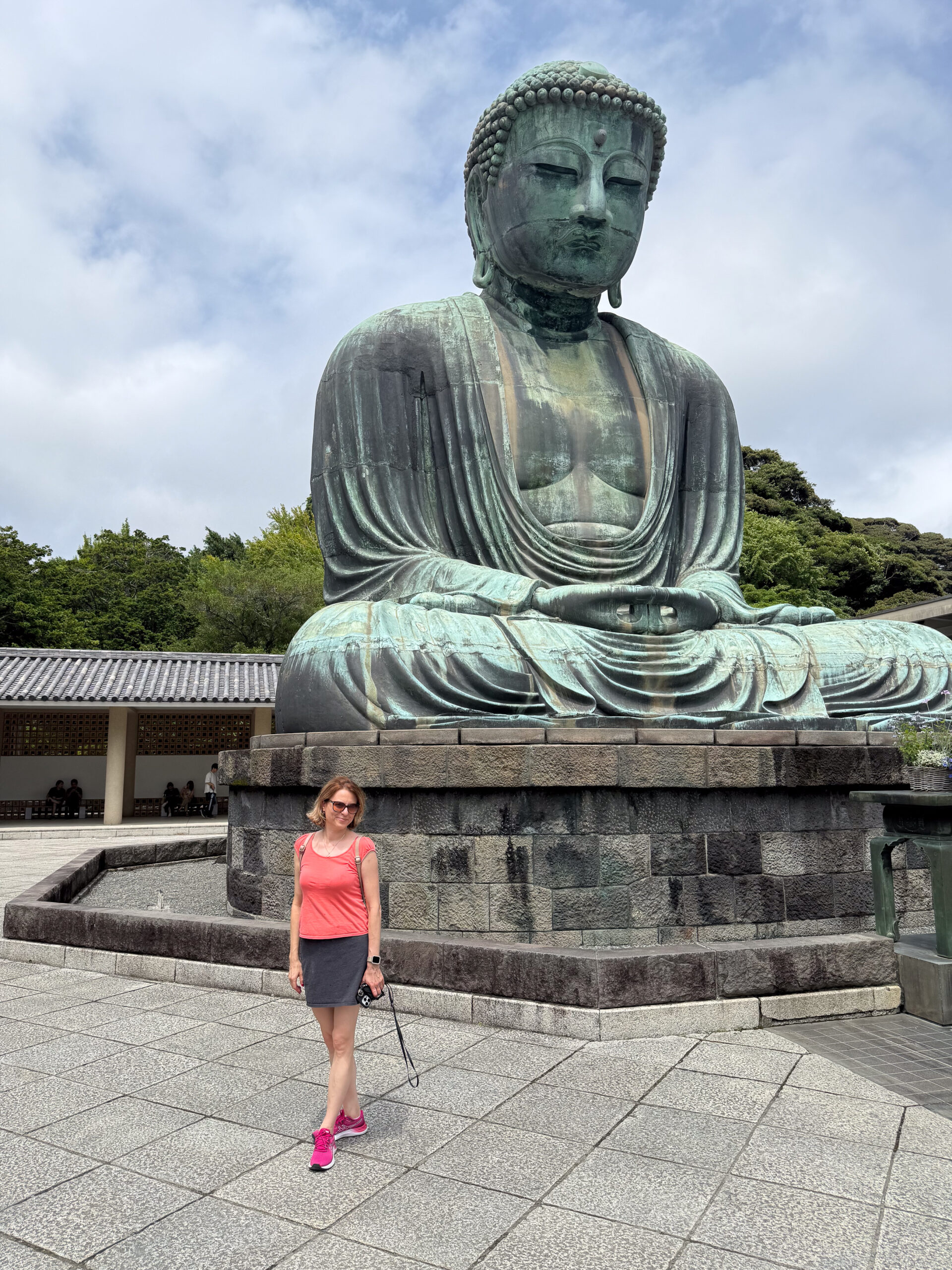
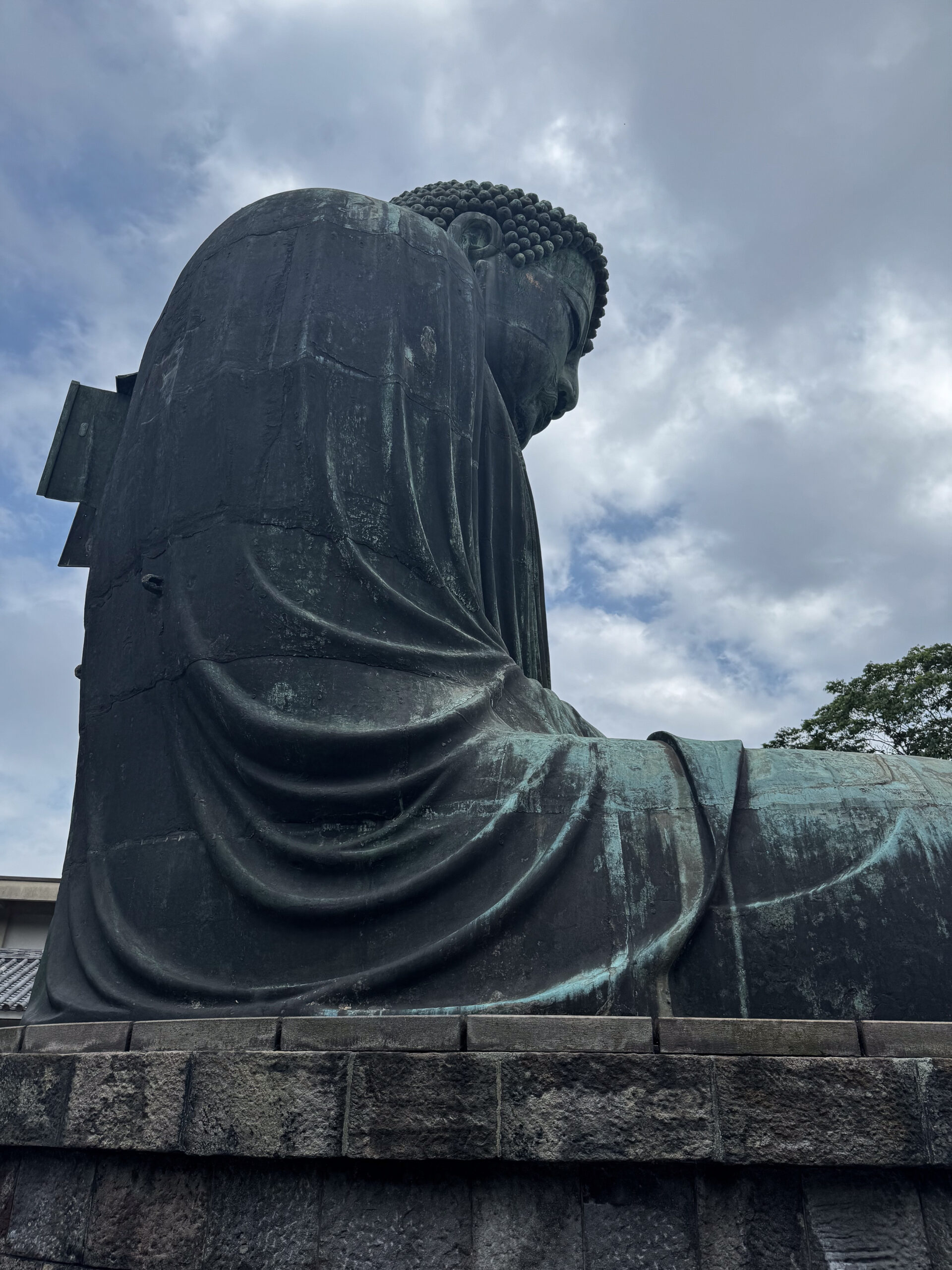
The Great Buddha is a massive hollow bronze statue that you can actually walk inside, though we skipped the interior because I could only imagine how hot it was in there.
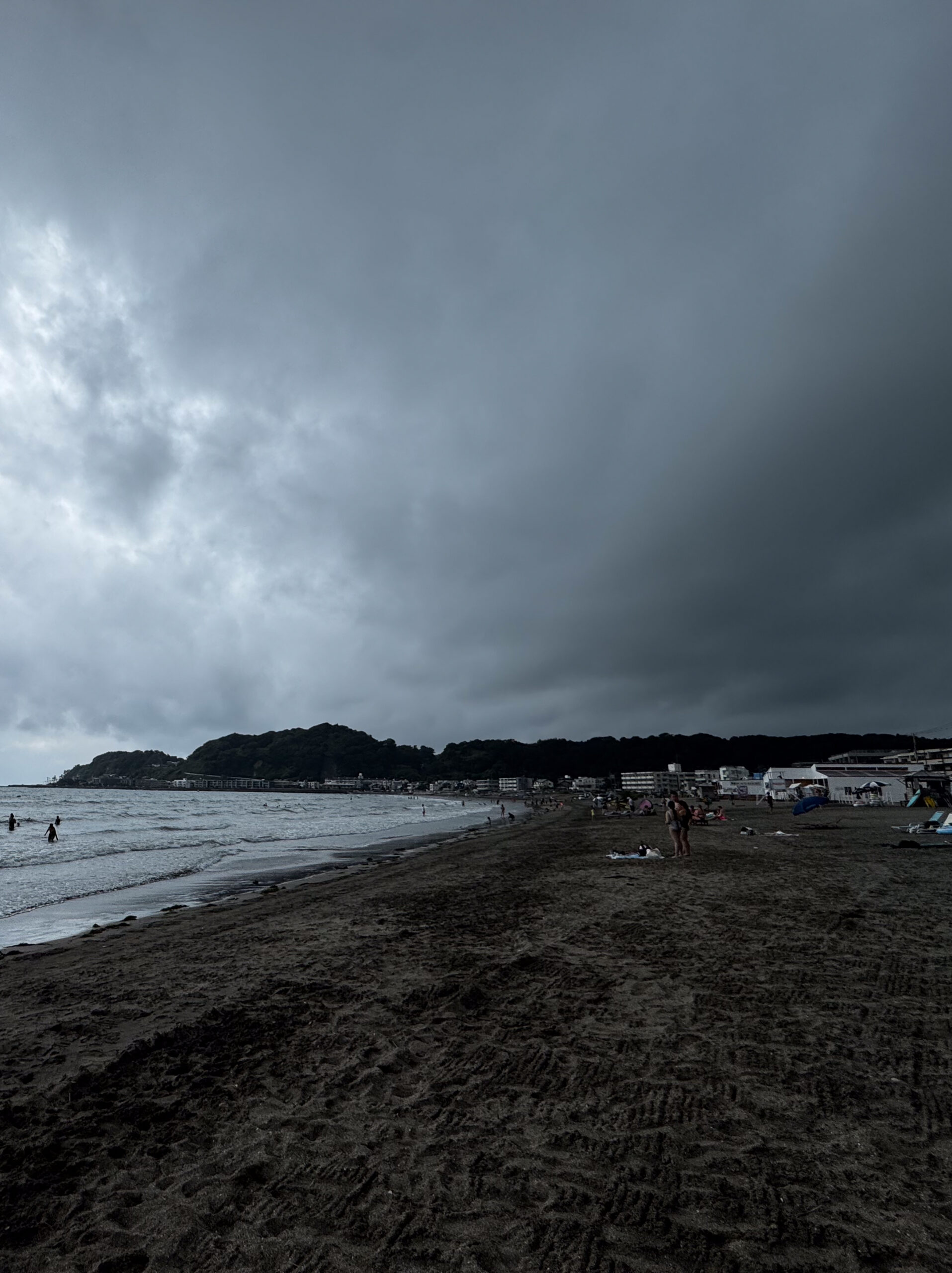
My main goal in Kamakura was hitting the beach to put that hard-won swimsuit to use in the Pacific Ocean for the very first time. I had grand expectations, but the beach itself was a bit rugged. The sand is dark and volcanic-looking, so when wet it looks a lot like mud. But the water was incredibly warm and clean, and we had a blast jumping in the waves.
Then came the rain. We knew a storm was supposed to hit around 3:00 PM and brought umbrellas, but the skies opened up before we even left the beach. We practically swam down the streets back to the bus station. The umbrellas were useless against the sideways rain. We joked about it at the time, although news of an earthquake elsewhere in Japan that day was a sobering reminder that traveling there also means being aware of the country’s very real natural hazards.
Food Feasts: Konbini Runs, Tonkotsu Ramen, and Sushiro
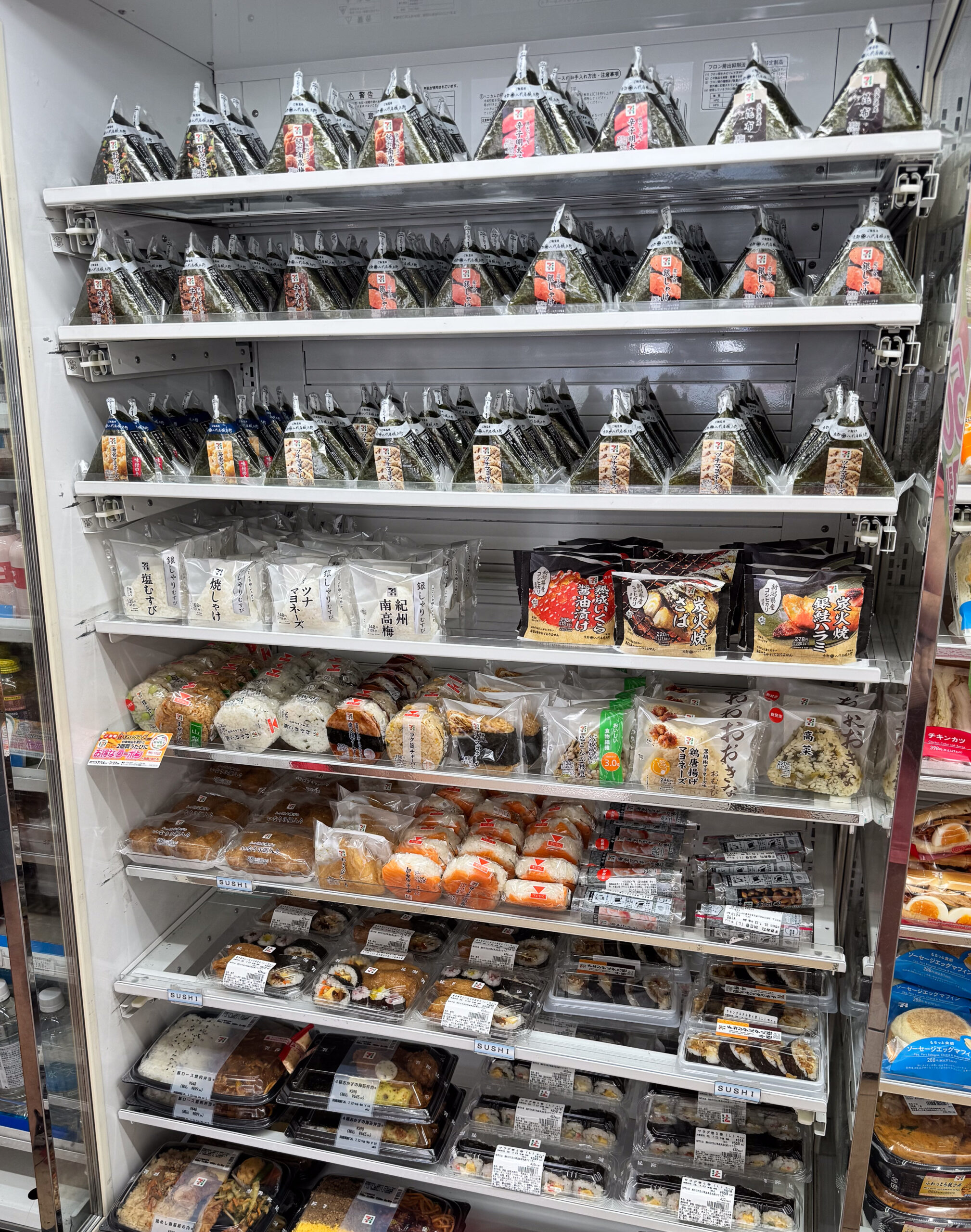
Speaking of food, traveling with teenagers means their eyes are often much bigger than their stomachs, especially when it comes to Japanese convenience stores (konbini). But honestly, I don’t blame them. The food in Japan was amazing almost everywhere we went, including the convenience stores.
Lawson and 7-Eleven became regular stops for us. We had a Lawson literally across the street from our hotel and frequently grabbed lunch or dinner from the fresh-food shelves. One day, we spent about $50 for the four of us and came back with an absolute feast: ice cream, noodles, salads, chicken meatballs, croquettes, meat and potatoes, and spring rolls.
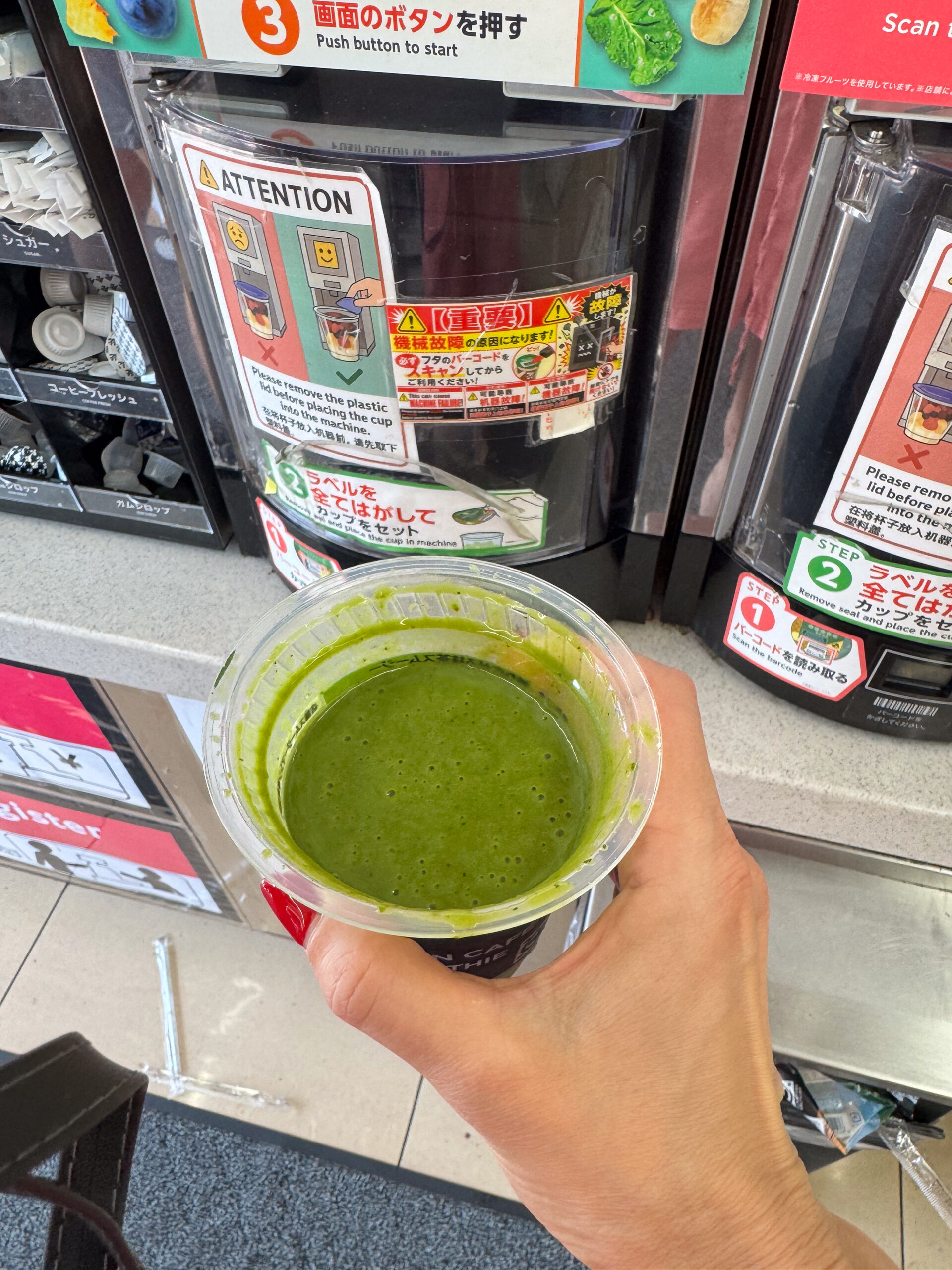
My absolute favorite convenience-store discovery was the 7-Eleven smoothie. You buy a frozen cup filled with fruit and other ingredients, scan it at the register, and put it into a special blending machine right there in the store. It makes a fresh smoothie in seconds. I’m going to miss the efficiency of Japanese snacks so much.
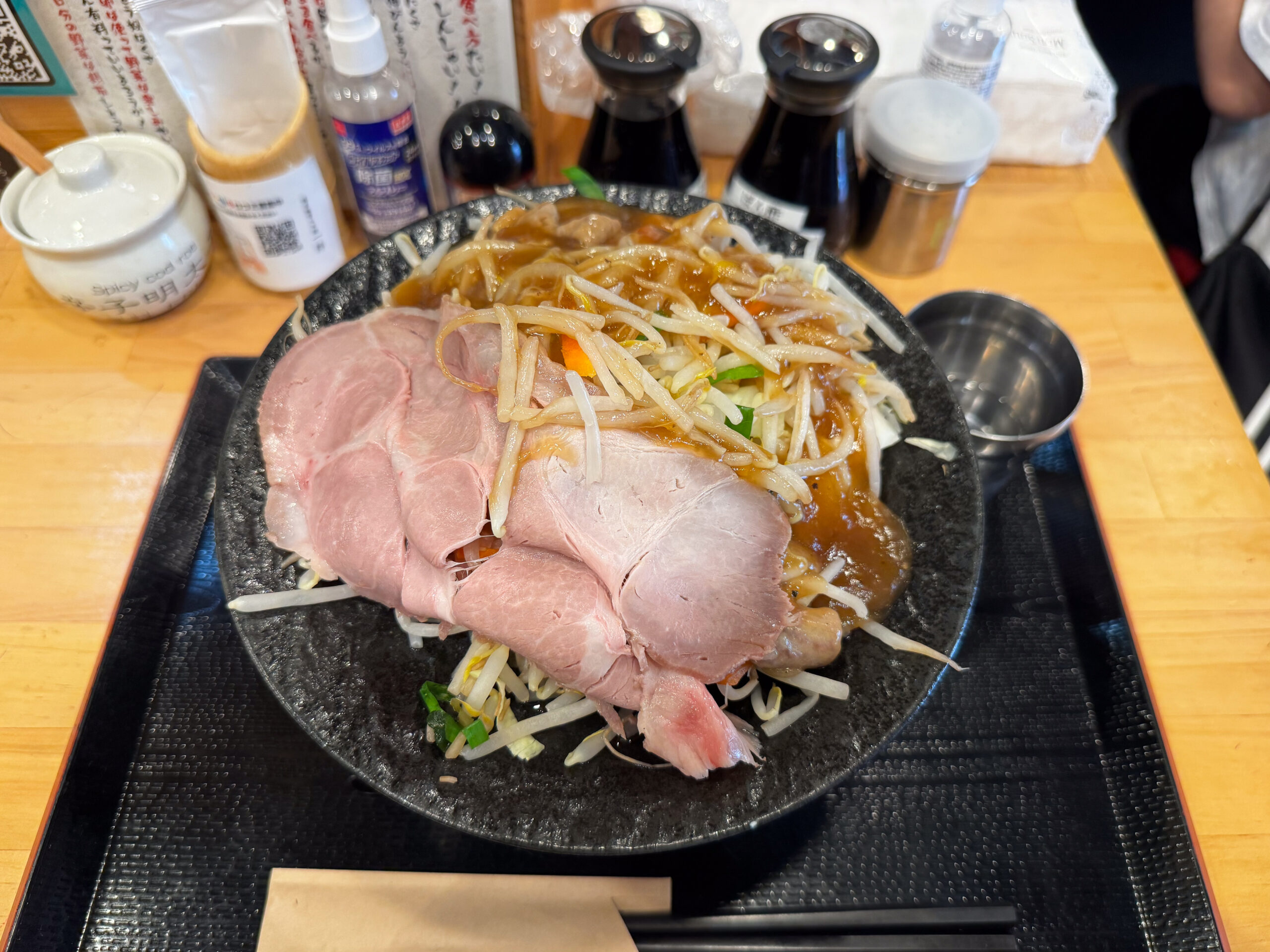
Beyond the konbini feasts, we explored traditional spots too. One day, we went to a tiny, super-cheap tonkotsu ramen place where a huge portion cost around 1,000 yen. The restaurant seated maybe 10 people at a single counter where you could watch the chefs work. It was cash only, so you bought a ticket from a machine first and then waited for a seat. They gave us a paper form to customize the bowl exactly how we wanted it—spicy or mild, with or without green onions, extra oil, garlic, or extra vegetables.
Once we sat down, the chef handed our orders right over the counter. The staff were so sweet—they used their phones to translate instructions for us, even translating into Russian when they heard us speaking it. They strongly advised us to eat the ramen and vegetables in the intended order instead of dumping everything into the broth and turning it into a hot pot. I also spent some time secretly studying the Japanese girl sitting next to me to learn the proper technique: noodles with chopsticks while simultaneously sipping the rich broth with the large spoon.
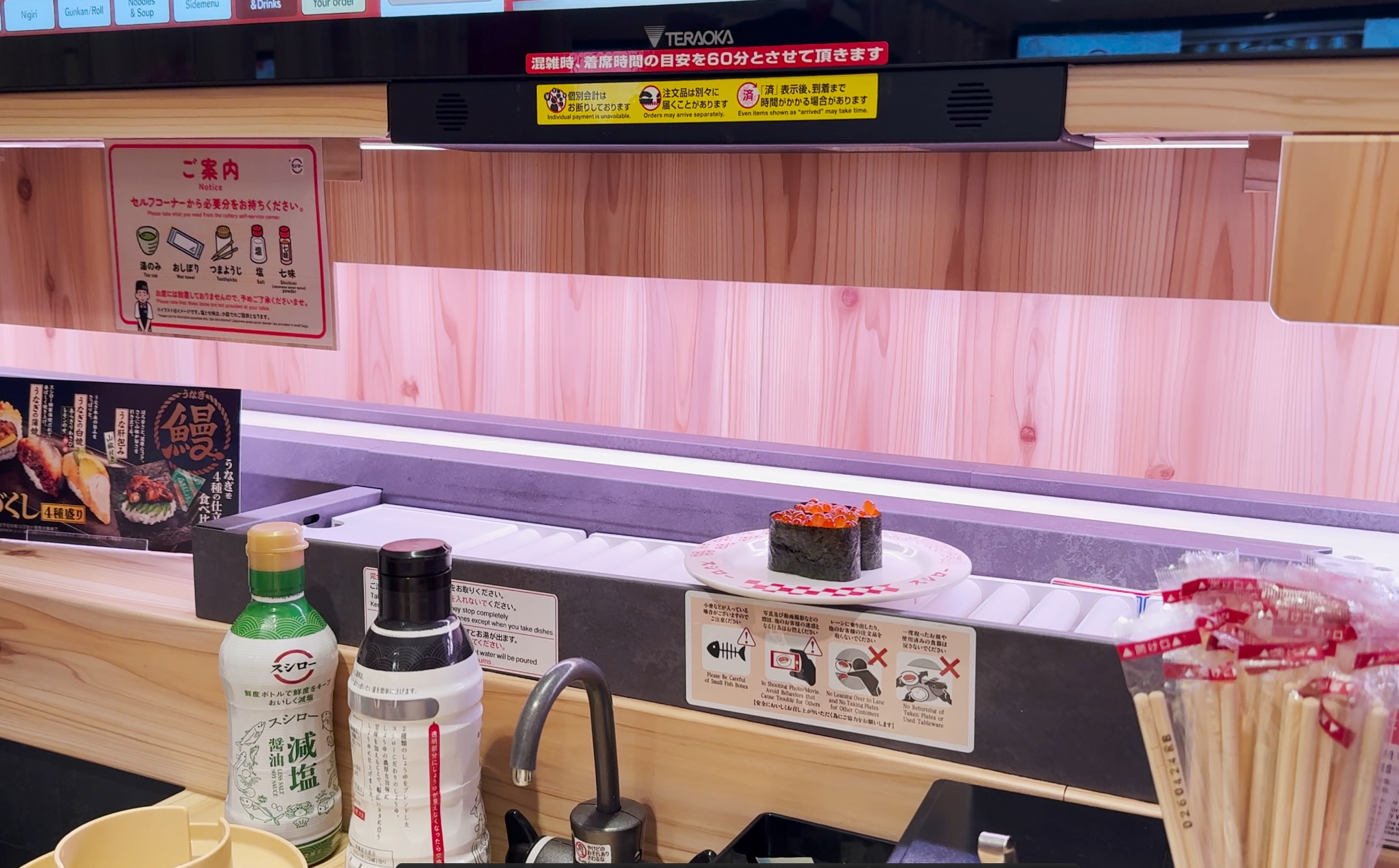
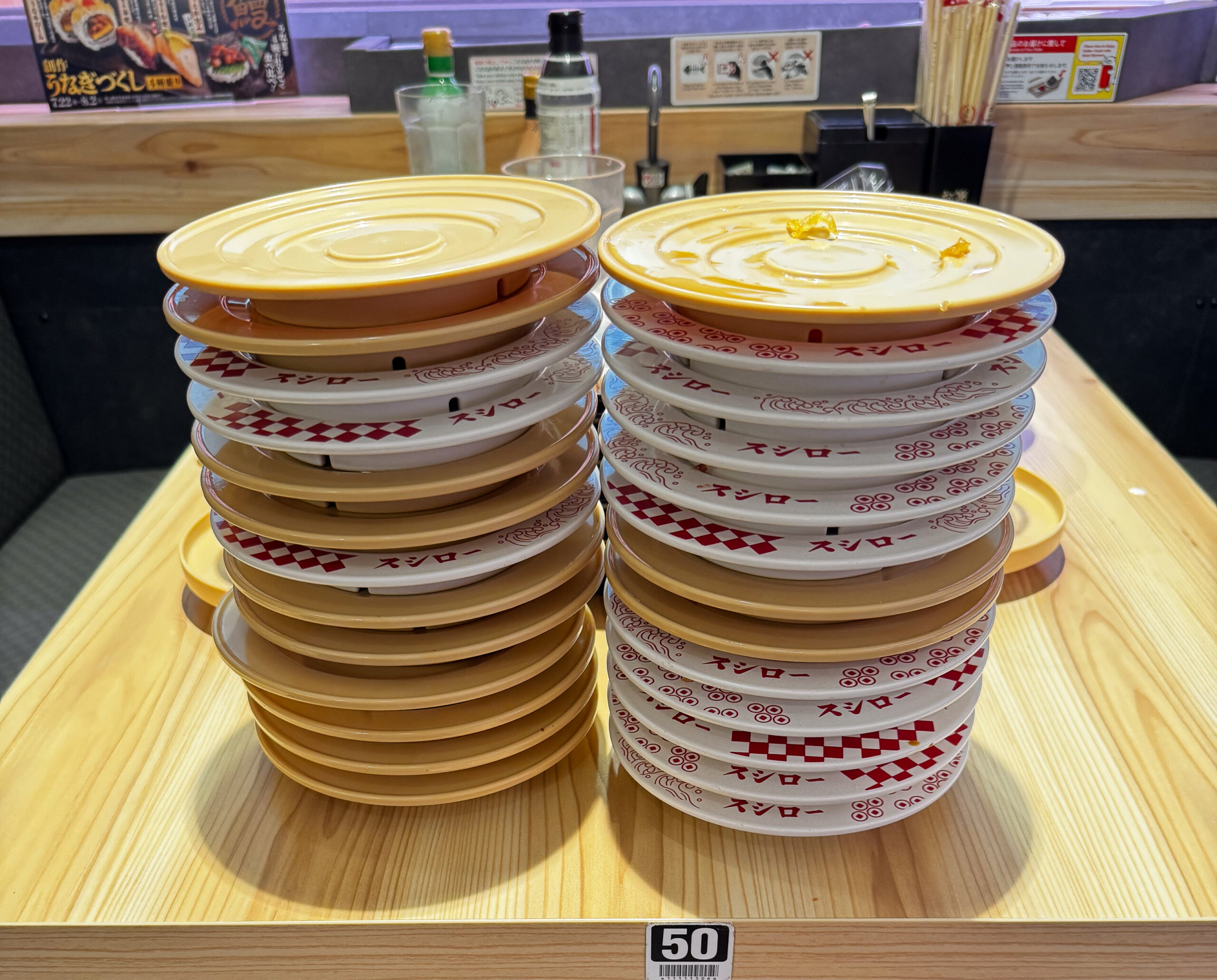
We also went to Sushiro, a popular conveyor-belt sushi chain. You take a ticket, wait for your table, and order from a touchscreen or your phone. We went completely wild. By the time we finished our incredibly delicious dinner, we had a leaning tower of 30 or 40 empty little plates stacked on our table!
Where Is the Trash? (And Where Are the Dogs?)
There’s another cultural difference I have to mention: the surprising lack of garbage bins on the streets. If you walk around Toronto, you’re used to seeing public bins everywhere. In Tokyo, we could walk for ages carrying empty bottles and wrappers without finding anywhere to throw them out.
One explanation often given for the scarcity of public bins is that many were removed for security reasons after the 1995 Tokyo subway sarin attack. There is also a strong expectation that people take responsibility for their own trash and carry it until they can dispose of it properly. Whatever the combination of reasons, the result amazed us: very few public bins and incredibly clean streets. We quickly learned to keep a little garbage bag with us.
This brought up another mystery for me: where were all the dogs? In two weeks, I felt like I saw hardly any, and most were tiny. Space is obviously at a premium in Tokyo, and pet-friendly housing can be restrictive and expensive, so small breeds make a lot of practical sense. We even saw little dogs being pushed around in special strollers. Coming from home, where dogs are such a visible part of everyday neighborhood life, their absence really stood out to me.